Have you ever told someone all about your favorite animal, a fun place, or how a seed grows? When you do that, you are teaching with words. That is what informative writing does. It helps a reader learn about one thing. A good writer names the topic, tells important details, and ends in a way that feels finished.
Informative writing is writing that gives true information. It tells about a topic so the reader can understand it better. The writer is not telling a make-believe story. The writer is explaining something real.
A piece of informative writing can be about apples, rain, dogs, school buses, or how to stay healthy. The topic should be clear. If the topic is frogs, the details should be about frogs. If the topic is the moon, the details should be about the moon.
Topic means what the writing is about. Detail means a small piece of information that tells more. Closure means the writing ends in a way that feels complete.
When writers teach readers, they try to make the writing easy to follow. That means using simple words, staying on one topic, and giving details that fit together.
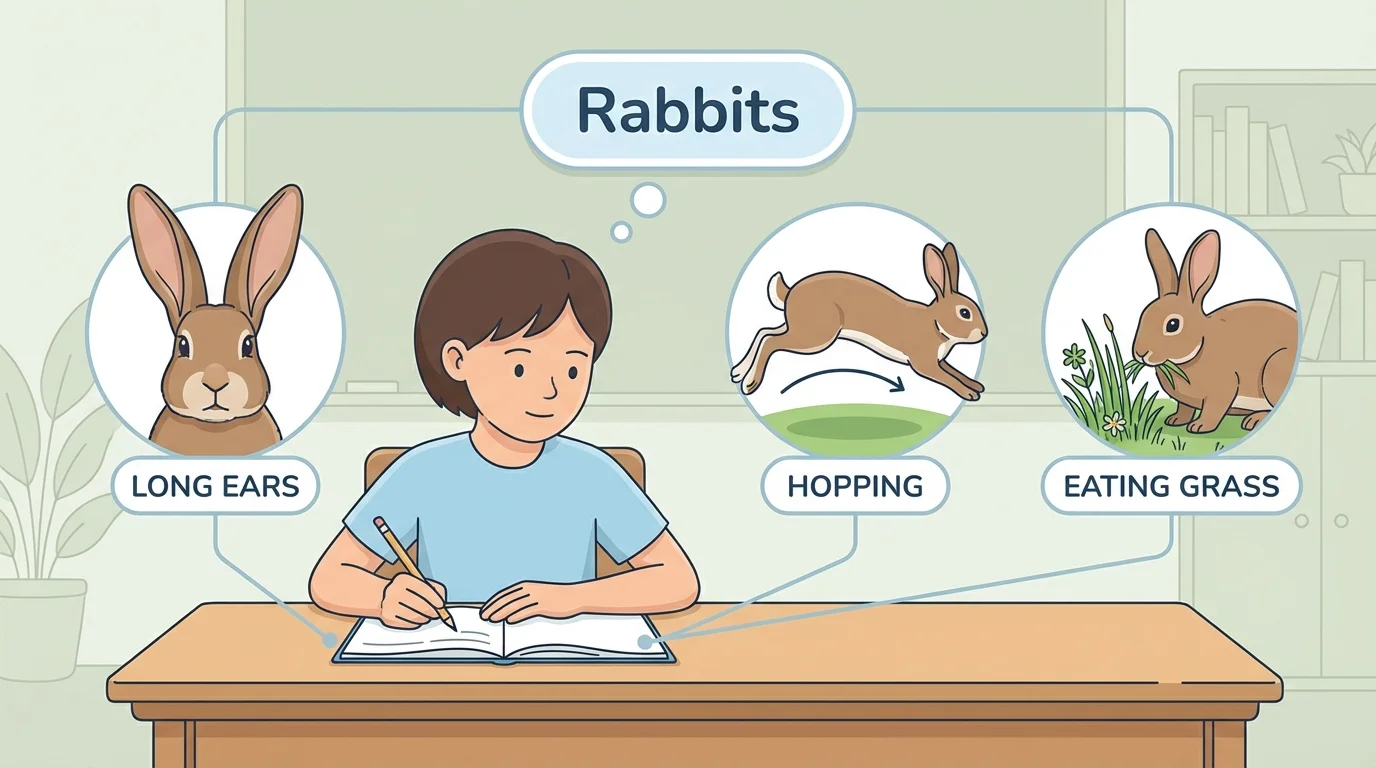
A topic is the big idea of the writing. Good writers name the topic early, as [Figure 1] shows with one clear subject and matching details. This helps the reader know right away what the writing will teach.
You can name the topic in the first sentence. For example, you might write, "Butterflies are colorful insects." In that sentence, the topic is butterflies. The reader already knows what the writing will be about.
Here are some clear topic sentences:
These sentences name one topic. They do not jump to something else. A writer should not start about cats and then suddenly tell about pizza. Staying on one topic helps the reader learn.
After naming the topic, the writer adds details. Details tell more about the topic. They may tell what something looks like, what it does, where it lives, or why it is important.
If the topic is bears, related details might be: "Bears have thick fur." "Bears can climb or swim." "Some bears sleep for a long time in winter." These details all match the topic of bears.
Details must match the topic
Strong informative writing stays focused. Every detail should help the reader learn more about the topic. If a sentence does not fit, it can confuse the reader.
Writers can use number words, color words, and describing words to make details stronger. For example, instead of saying, "A turtle is nice," a writer can say, "A turtle has a hard shell and walks slowly." The second sentence teaches more.
Here is an example of related details for the topic rain: rain comes from clouds, rain helps plants grow, and people use umbrellas in the rain. All of these details belong together.
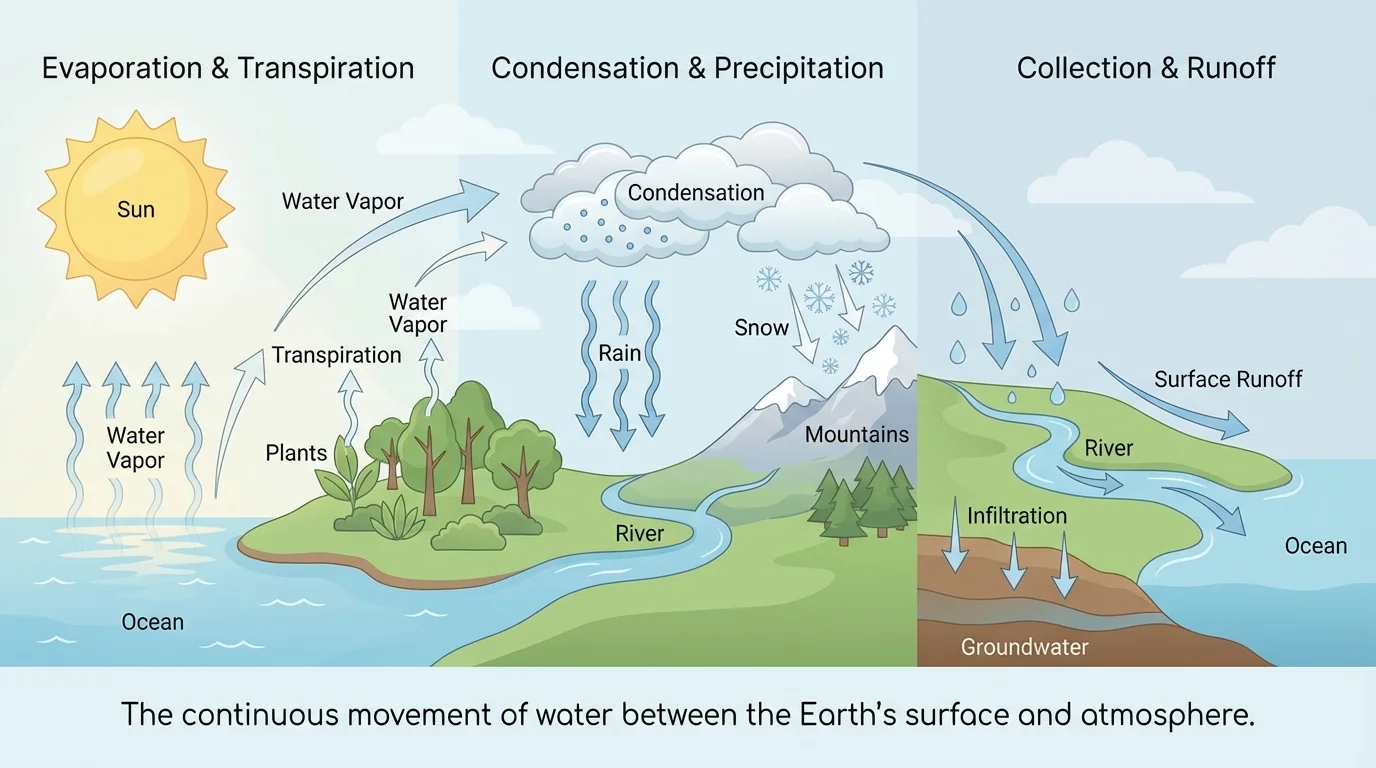
Good writing has an order, as [Figure 2] shows. A short informative piece often has a beginning, a middle, and an ending. The beginning names the topic. The middle gives details. The ending closes the writing.
This simple order helps the reader move through the writing step by step. First, the reader learns the topic. Next, the reader learns more facts. Last, the reader gets a final thought that makes the piece feel done.
Writers do not need many paragraphs at this grade level, but they do need a clear plan. Even a few sentences can be in order. For example: "Bees are helpful insects. They move pollen from flower to flower. Bees also make honey. Bees are important to plants and people."
That writing begins with the topic, adds details, and ends clearly. The order makes it easy to understand. The same pattern works for many topics, just like the flow in [Figure 2].
A good ending gives the reader a feeling that the writing is finished. This is called closure. The ending should connect to the topic instead of adding a brand-new idea.
Here are some endings that give closure:
An ending can remind the reader of the topic. It can also tell why the topic matters. If the writing is about school gardens, the closing might say, "A school garden helps children learn and grow plants." That sentence feels complete.
Many short books for children use this same pattern: they name a topic, teach a few details, and end with a closing sentence. Writers use this pattern because it helps readers understand quickly.
A weak ending may stop too suddenly. For example, if a writer says, "Dogs are pets. Dogs bark. Dogs run." the writing ends, but it does not feel finished. Adding "Dogs are fun and helpful animals" gives the reader a better final thought.
Let's look at a full example. Notice how the first sentence names the topic, the next sentences tell details, and the last sentence gives closure.
Example paragraph
"Snails are small animals. They move slowly and carry shells on their backs. Snails like wet places after it rains. Snails are interesting to watch."
Step 1: Name the topic
The sentence "Snails are small animals" tells the reader the topic right away.
Step 2: Add related details
The next two sentences tell what snails do and where they like to be.
Step 3: Close the writing
The last sentence, "Snails are interesting to watch," gives a finished ending.
Here is another example: "The moon is bright in the night sky. It looks different at different times. Sometimes it looks round, and sometimes it looks like a slice. The moon is amazing to see at night." This piece stays on one topic and ends with closure.
When you write, start by thinking, "What is my one topic?" Then think, "What details match it?" The rabbit example in [Figure 1] reminds us that each detail should connect to the same idea.
Use true details. Keep your sentences simple and clear. Read your writing and ask, "Did I name my topic? Did I tell more about it? Did I finish my writing?" These questions help writers make informative pieces stronger.
Writers also choose details that help the audience. If your reader is learning about whales, details like "Whales are mammals," "Whales breathe air," and "Some whales are very large" are helpful. Those facts teach the reader something important.
When your writing stays on topic, gives good details, and ends clearly, your reader learns with ease. That is the power of informative writing.
