Have you ever listened to someone tell a story and suddenly thought, "Wait, what are we talking about now?" That happens when a speaker stops talking about the main idea. Good speakers help listeners follow along by keeping their words connected to one clear subject. When you give a presentation, tell a story, or answer a question, it is important to stay focused on the topic.
A topic is the main subject someone is talking about. If the topic is frogs, the speaker talks about frogs. If the topic is a favorite book, the speaker talks about that book. Staying on topic means your words match the main subject instead of jumping to something different.
Topic is the main subject of a talk or discussion. Focus means keeping your mind and words on that main subject. When a speaker maintains focus on the topic, the audience can understand the message more easily.
Listeners need clear speaking. When a talk stays on topic, it is easier to learn from it, ask questions about it, and remember the important ideas. When a talk jumps from one subject to another, listeners can get confused.
Think about these two short examples. "My favorite season is winter because I like snow, hot cocoa, and sledding" stays on topic. "My favorite season is winter, and my grandma has a blue car, and I saw a duck yesterday" does not stay on topic. Some of those words may be interesting, but they do not belong to the main subject.
[Figure 1] Before speaking, it helps to know the main idea of your talk. The main idea is what your whole presentation is mostly about. One way to think about it is this: if you could name your talk in just a few words, what would those words be? That big idea holds the whole talk together.
If your presentation is called "My Dog Max," then your details should match Max. You might tell what Max looks like, what Max likes to eat, and what Max does when he plays. Those details all connect to the same main idea.
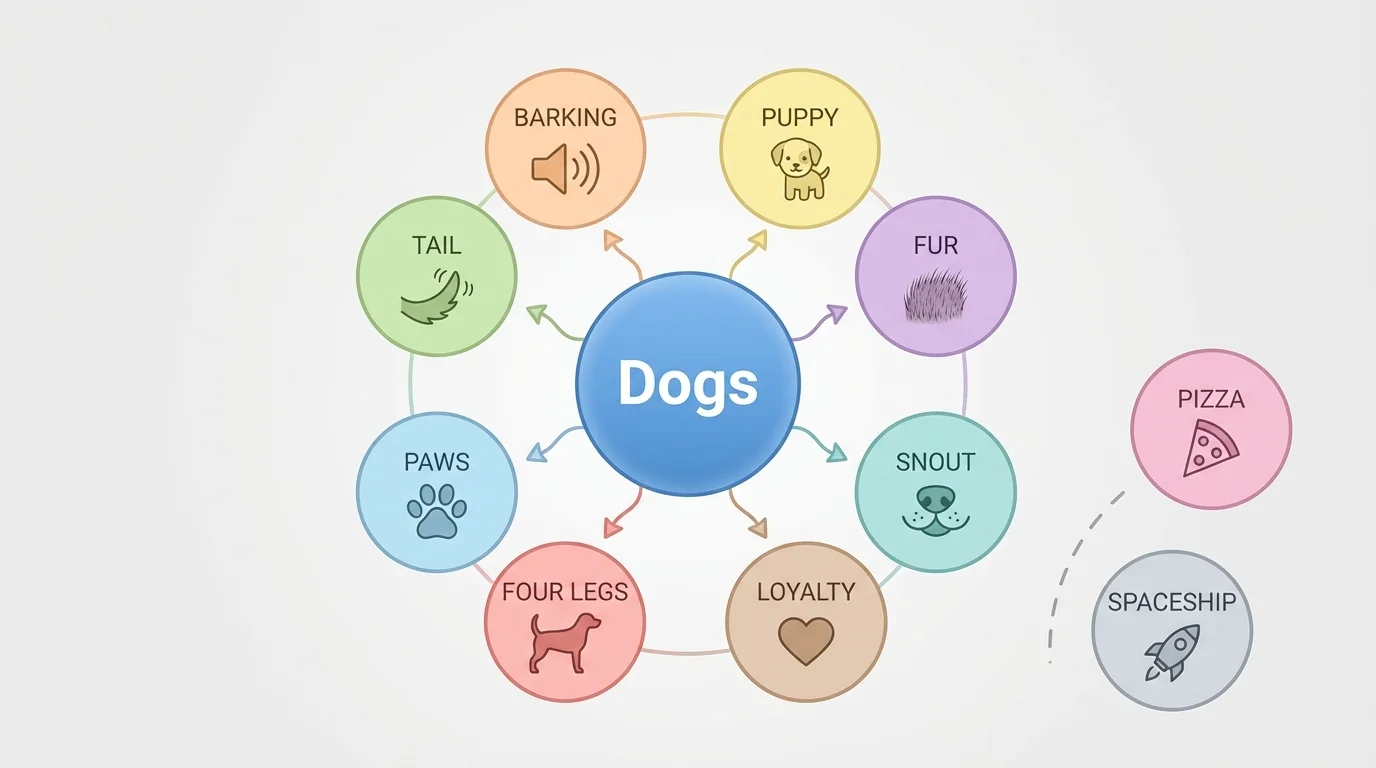
Sometimes a speaker knows many facts and wants to say all of them. But not every fact belongs. If the topic is "Butterflies," talking about caterpillars, wings, and flowers fits. Talking about submarines does not fit. A strong speaker chooses details carefully.
Even adults need to practice staying on topic when they speak. Reporters, teachers, and people giving speeches often make notes first so they can keep their ideas connected.
A good question to ask yourself is, "Does this detail help my listener understand my topic?" If the answer is yes, keep it. If the answer is no, leave it out.
A detail is a small piece of information that tells more about the topic. Details are helpful when they explain, describe, or support the main idea. They are not helpful when they pull the listener away from the subject.
Suppose the topic is "How I take care of my fish." Good details might include feeding the fish, cleaning the tank, and checking the water. Poor details might include your favorite ice cream or what movie you watched last weekend. Those may be fine things to talk about another time, but they do not belong in that presentation.
Example: Picking details that belong
Topic: "My School Garden"
Step 1: Name details that fit.
Plants, watering, sunlight, vegetables, and insects in the garden all match the topic.
Step 2: Notice details that do not fit.
A new bicycle, a trip to the beach, or a cartoon show do not tell more about the school garden.
Step 3: Choose only the matching details.
A focused talk might say, "Our school garden has tomatoes and beans. We water the plants. The plants need sunlight to grow."
Useful details can answer simple questions such as who, what, where, when, why, or how. If your topic is about a class pet, listeners may want to know what it looks like, what it eats, and how the class cares for it.
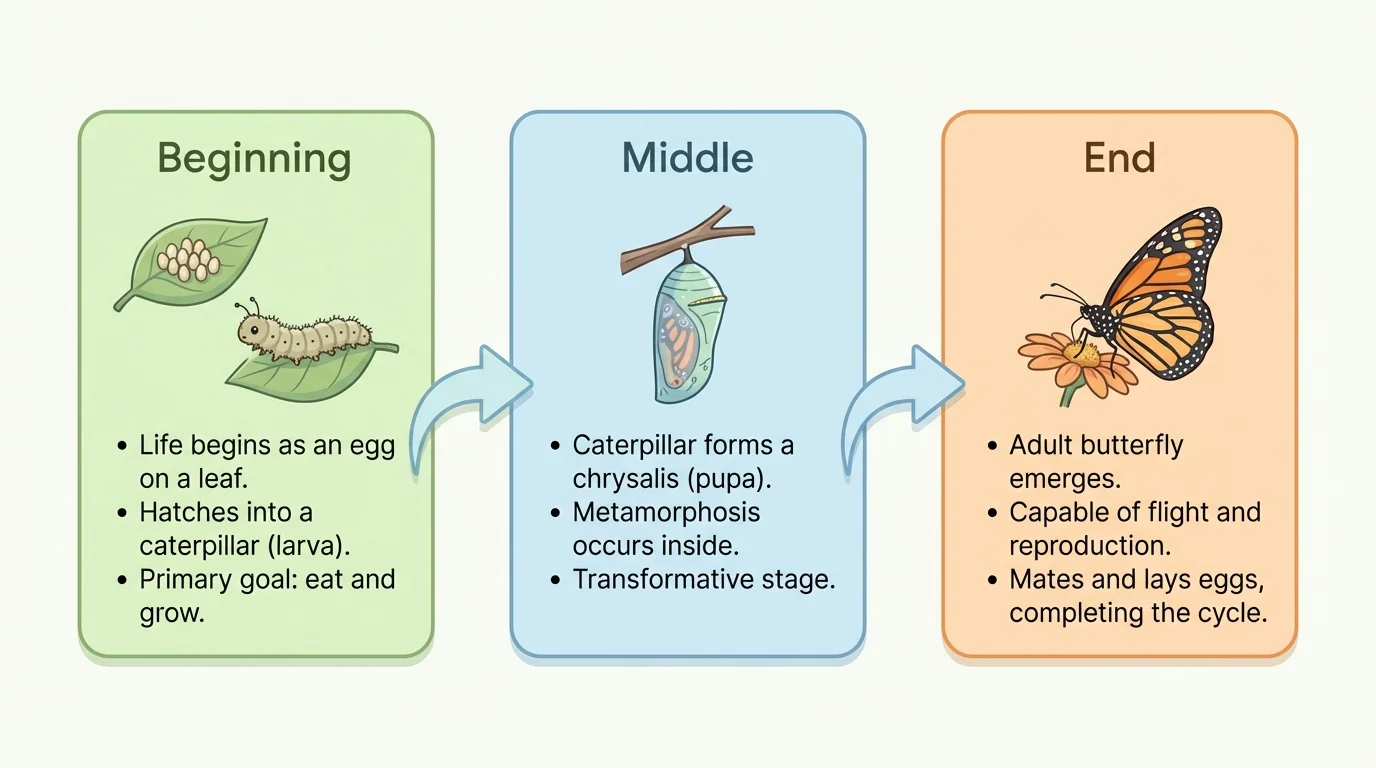
A short presentation is easier to follow when it has an order. A simple structure has a beginning, middle, and end. This structure helps the speaker stay on topic because each part has a job.
In the beginning, tell the topic. In the middle, give details about the topic. In the end, finish with a final thought that still matches the topic. This keeps your speaking neat and clear, as [Figure 2] shows.
For example, if the topic is "Butterflies," the beginning might say, "I want to tell you about butterflies." The middle might explain that butterflies start as caterpillars and have colorful wings. The end might say, "That is why butterflies are interesting insects to study." Every part matches the same subject.
You can also use simple signal words to help listeners follow your ideas. Words like first, next, also, and finally show order. These words do not create the topic, but they help hold the talk together.
When you prepare, it can help to think of one sentence for the beginning, a few matching details for the middle, and one closing sentence for the end. That simple plan can stop you from drifting into a different subject.
Staying on topic is not only about choosing the right ideas. It is also about saying them clearly. A speaker should use a voice that is easy to hear, speak at a calm pace, and keep ideas connected. If you rush, skip around, or suddenly add unrelated thoughts, listeners may lose track.
Good speakers often look back at their plan in their minds. They may think, "What is my topic? What detail comes next?" That quick check helps them stay focused. It is a bit like following stepping-stones across a stream. Each stone should lead to the next one, not jump far away.
Why focus matters for listeners
When ideas stay connected, listeners can understand, remember, and respond to what they hear. Focus makes a presentation easier to follow because each sentence builds on the one before it.
Short, clear sentences can help. Instead of saying many different things at once, a speaker can share one idea, then another related idea. This creates a smooth path for the audience.
After a presentation, people may ask questions or make comments. It is important for both the speaker and the listeners to stay with the same subject. If someone gives a talk about turtles, good discussion questions are about turtles: where they live, what they eat, or how they move.
An audience is the group of people listening. Audience members show good listening when they think about the topic and ask questions that match it. The speaker also shows focus by answering the question clearly and not wandering into unrelated ideas.
Example: Staying on topic in discussion
Topic: "How bees help flowers"
Step 1: Ask a matching question.
"How do bees move pollen?" stays on the topic.
Step 2: Answer with matching information.
"Bees carry pollen on their bodies when they visit flowers" connects directly to the question and the topic.
Step 3: Avoid unrelated answers.
Saying "My uncle likes honey sandwiches" may mention bees or honey, but it does not really answer the question.
If you are the speaker and you are not sure what someone asked, you can politely say, "Can you please repeat the question?" That helps you answer the right thing and stay focused on the discussion.
[Figure 3] Sometimes speakers go off topic without meaning to. A memory pops into their minds, or they get excited and add something extra. That can happen to anyone. What matters is noticing it and coming back.
One common mistake is adding a detail that is interesting but unrelated. Another mistake is starting on one topic and slowly changing to a new one. For example, "My pet rabbit is soft and likes carrots" is on topic. "My pet rabbit is soft and likes carrots, and carrots are orange, and orange is on my soccer shirt, and I played soccer yesterday" has drifted away from the rabbit.
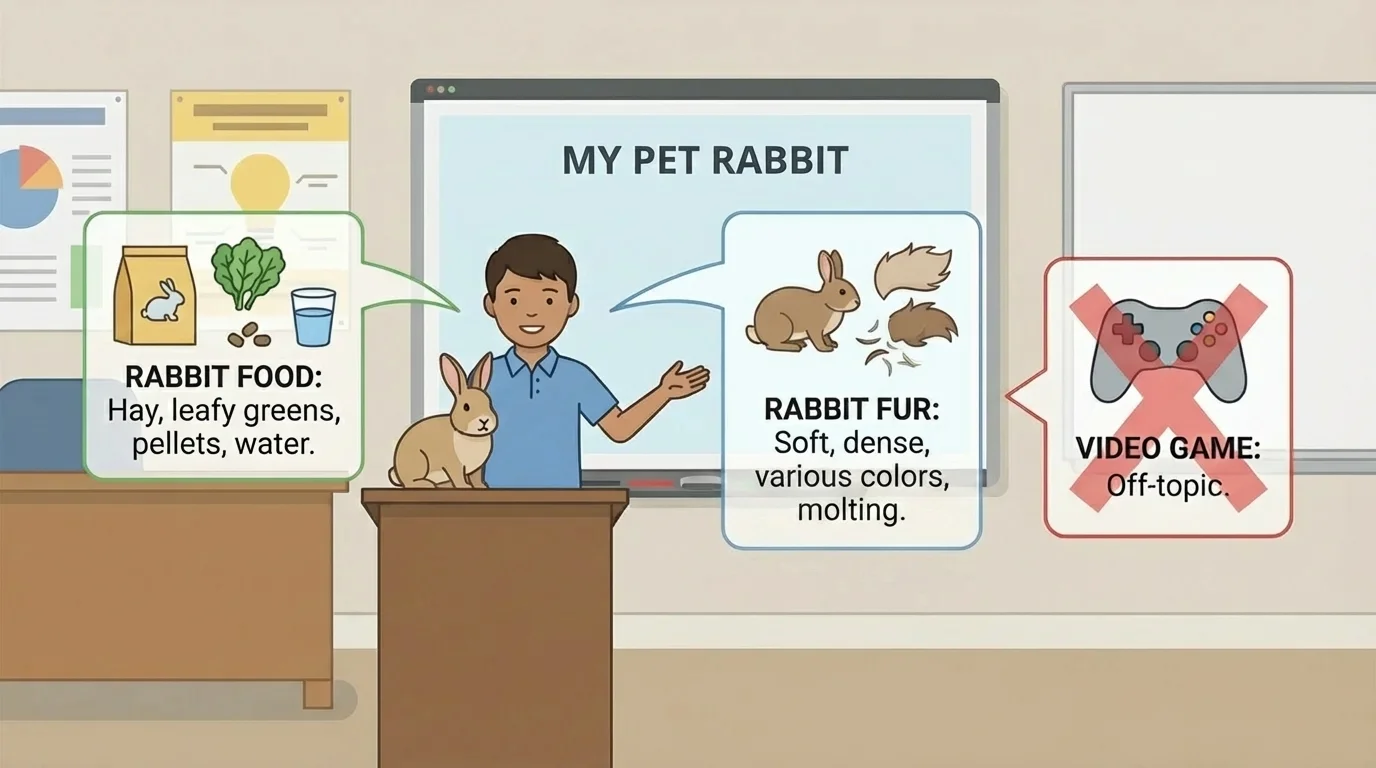
A simple fix is to stop and ask, "Am I still talking about my main idea?" If not, go back to your topic sentence or your next matching detail. You can even use words such as "Back to my topic" in your mind as a reminder.
Another helpful way to fix a drifting talk is to repeat the topic. For example: "My topic is my pet rabbit. My rabbit likes to hop around the yard." Repeating the main idea can pull your speaking back into focus.
When you read a book or article, you often look for the main idea and supporting details. Speaking works the same way. A good presentation has one main idea and details that support it.
You use this skill every day. In class, your teacher may ask, "What did you learn about weather?" A focused answer talks about clouds, rain, wind, or temperature. At home, someone might ask, "How was the field trip?" A clear answer tells about the trip, not every random thought from the whole week.
Sports teams use focus too. If a coach talks about passing the ball, the team needs to listen for ideas about passing. Music teachers do this when they ask students to explain a song they practiced. Scientists do it when they share what they observed in an experiment. In each case, people need to stay with the main subject so others can understand them.
When you maintain focus on the topic, you become easier to understand. Your speaking sounds stronger, your ideas make sense, and your listeners know what you mean. That is an important skill for presentations, conversations, and classroom discussions.
