Have you ever tried to follow directions online and ended up more confused after reading them? That usually does not happen because the topic is impossible. It happens because the writer did not organize the information clearly. Good informative writing works like a well-labeled map: it shows readers where they are starting, where they are going, and what they will see along the way.
When you write to explain a topic, your job is not just to collect facts. Your job is to make those facts understandable. That means introducing the topic clearly, grouping related ideas into larger sections, and using tools such as headings, tables, and visuals when they truly help. Strong organization is not decoration. It is part of the meaning.
Informative writing explains a topic using facts, examples, details, and clear organization. A preview is a brief statement that tells readers what main ideas or sections are coming next. A category is a larger group used to organize related details. Formatting includes visual features such as headings, bold words, lists, and spacing that make information easier to follow.
Readers in science, history, technology, and everyday life depend on writers who can explain clearly. A doctor explaining a treatment, a coach describing a strategy, and a museum sign teaching visitors about fossils all rely on the same writing skill: helping the audience understand complicated information step by step.
The beginning of an informative text is especially important because it sets the direction for everything that follows. A strong introduction does three jobs: it names the topic, gives just enough background to help readers understand it, and previews the main points. Introductions are easier to build when you think of them as a set of parts rather than one mysterious paragraph.
If a writer starts too suddenly, the reader may not know what the piece is really about. If a writer gives too much background before stating the topic, the reader may lose focus. A clear introduction balances both. It answers a basic question right away: What am I about to learn?
For example, compare these two openings about volcanoes. Weak opening: "Volcanoes are interesting and there are many kinds and they can be dangerous." Strong opening: "Volcanoes are openings in Earth's crust where melted rock, ash, and gases escape. Scientists study different types of volcanoes, how eruptions happen, and how communities can stay safe." The second version is stronger because it defines the topic and previews the sections that follow.
A preview does not have to list every detail. It should simply guide the reader. Think of it as a table of contents in sentence form. It prepares readers for the categories of information they are about to encounter.
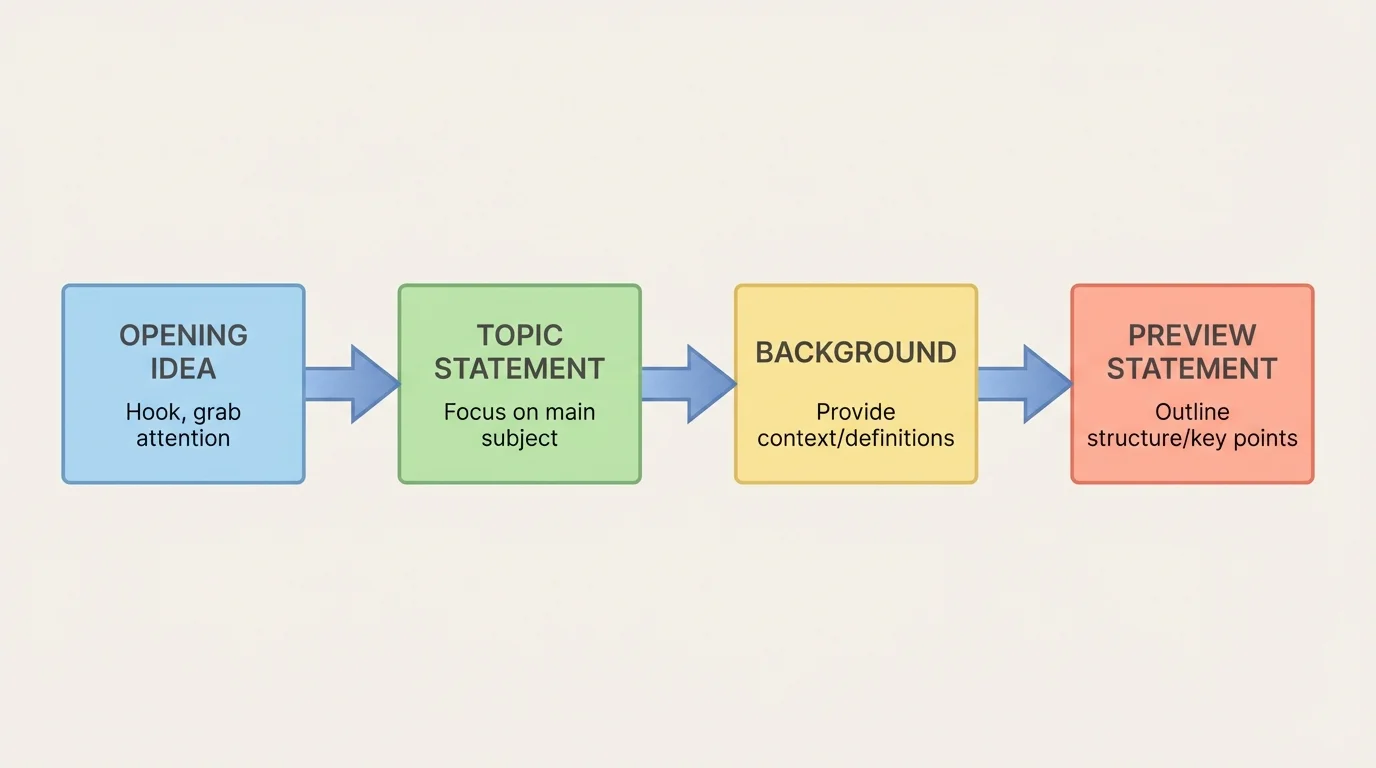
[Figure 1] A useful introduction often begins with a focused opening idea, not a random fact. In informative writing, the opening should connect directly to the subject. Many strong introductions move through four parts: a clear opening, the topic itself, helpful background, and a preview of the main sections.
Here is one model you can follow: start with a sentence that draws attention to the subject, then name the topic, then add a little background, and finally preview the categories. This pattern helps readers enter the topic smoothly instead of being dropped into the middle of details.
Suppose you are writing about recycling in your community. A clear introduction might say: "Every week, families throw away materials that could be used again. Recycling helps reduce waste, save resources, and protect the environment. Understanding how recycling works, what materials can be recycled, and why recycling matters can help communities make smarter choices." Notice how the introduction does not tell everything. It prepares the reader for the body of the piece.
Writers should also match the introduction to the audience. Students your age usually need clear, direct wording and familiar examples. A younger audience might need simpler language, while an expert audience might expect more technical detail. In both cases, the writer still needs to announce the topic and preview what is coming.
Professional journalists often spend extra time shaping the first few lines of an article because readers decide very quickly whether the writing feels clear and worth reading.
Another important choice is scope. If the topic is too broad, the introduction may sound vague. "Animals" is too large for one short informative piece. "How service dogs help people in daily life" is more focused, so the writer can preview meaningful categories such as training, tasks, and importance.
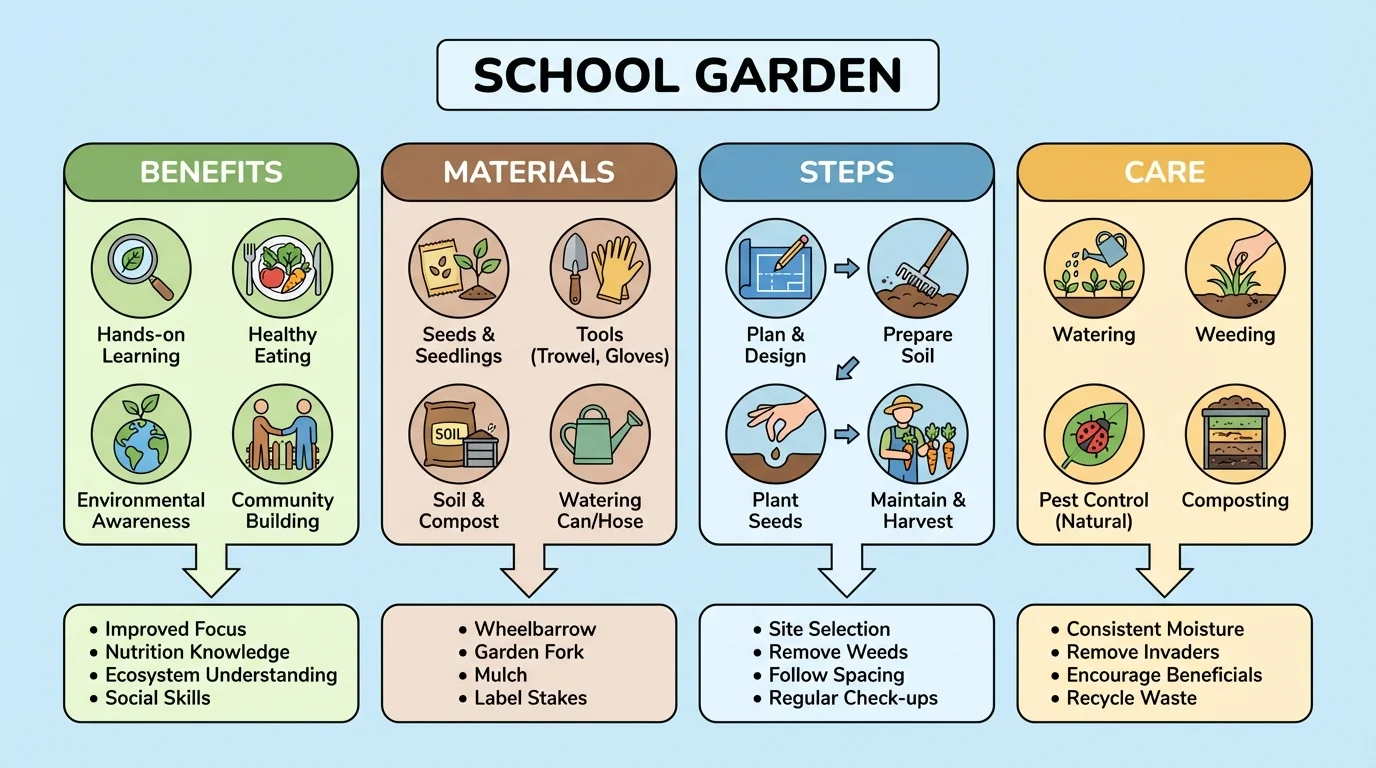
[Figure 2] Strong writers do not dump facts onto the page as they find them. They sort information into larger sections first. This process of categorizing details helps readers see relationships among ideas. A topic becomes much easier to understand when smaller facts are grouped into a few clear categories.
Suppose your topic is a school garden. You might collect dozens of details: soil, watering, seeds, insects, vegetables, student jobs, compost, and sunlight. Instead of writing those ideas in random order, you can group them into broader categories such as materials needed, steps to start the garden, care and maintenance, and benefits of the garden. Each category can become a paragraph or section.
Categories should be broad enough to include related details but specific enough to stay focused. If your categories overlap too much, the writing can become repetitive. For example, "why gardens are good" and "benefits of gardens" are almost the same category. A better set would separate ideas more clearly.
One good test is to ask whether each detail has one obvious place to belong. If a fact about watering appears in three different sections, the structure may need adjustment. Clear categories help both the writer and the reader keep track of the explanation.
This kind of grouping is common in textbooks and websites. A chapter about ancient Egypt may be divided into geography, government, religion, and daily life. A science article about weather may be divided into causes, types, effects, and safety. In each case, the categories create order out of many pieces of information.
| Topic | Possible Categories |
|---|---|
| Renewable energy | Types, how they work, advantages, challenges |
| Basketball training | Skills, fitness, teamwork, strategy |
| Ancient Rome | Government, engineering, military, daily life |
| Healthy sleep | Benefits, habits, problems, tips for improvement |
Table 1. Examples of broad categories that can organize different informative topics.
Later in the writing process, those categories can become headings, and the details inside them can become supporting sentences, examples, and explanations. That is why planning categories early saves time and improves clarity.
Categories answer what belongs together, but writers also need to decide in what order the categories should appear. Different topics work best with different organizational patterns. The pattern you choose should match your purpose.
One common pattern is chronological order, which arranges ideas by time. This works well for historical events, life cycles, and processes with steps. Another pattern is cause and effect, which explains why something happens and what results from it. This works well for topics such as pollution, weather events, or inventions.
Compare and contrast helps writers show similarities and differences between two things, such as mammals and reptiles or city life and rural life. Problem and solution works well for explaining an issue and possible ways to address it, such as water shortages or cyberbullying. Description focuses on characteristics, parts, or features, which is useful for explaining a place, organism, machine, or artwork.
Match the structure to the topic
A strong structure is not chosen at random. If your topic is "how a bill becomes a law," chronological order makes sense because the steps happen in sequence. If your topic is "why invasive species harm ecosystems," cause and effect makes more sense because readers need to understand reasons and results.
Writers sometimes combine patterns. A report on hurricanes might begin with a description of what hurricanes are, then explain causes, and finally discuss safety solutions. Even when patterns are combined, the writing still needs clear categories and transitions so the reader never feels lost.
Transitions are words and phrases that guide the reader from one idea to the next. Examples include first, next, in contrast, as a result, and for example. These signals do not replace organization, but they strengthen it.
Good writers also use visual clues to help readers navigate a text. A heading names a section, while a subheading divides that section into smaller parts. Headings are especially helpful in longer informative texts because they let readers see the structure immediately.
Think about a website article on climate change. If it has headings such as "What Climate Change Is," "Main Causes," "Effects on Weather," and "Possible Solutions," readers can quickly understand how the information is arranged. Without headings, the same article might feel like one long wall of words.
Formatting also includes bold words for key terms, bullet lists for related items, and tables for side-by-side information. These features should support understanding, not distract from it. Too many fonts, colors, or effects can make a piece harder to read instead of easier.
Lists are useful when the information is short and closely connected. Tables are useful when readers need to compare categories, properties, or examples. Paragraphs are best when ideas need fuller explanation. Strong writers choose the format that fits the information.
You already know that paragraphs group related sentences. Headings work on a larger scale: they group related paragraphs. In other words, a paragraph organizes details within an idea, while a heading organizes several ideas within a larger section.
Formal style also matters in formatting. In informative writing, headings should be clear and direct rather than silly or vague. "Causes of Erosion" is more effective than "Why Dirt Goes Away." The goal is to sound serious, accurate, and easy to understand.
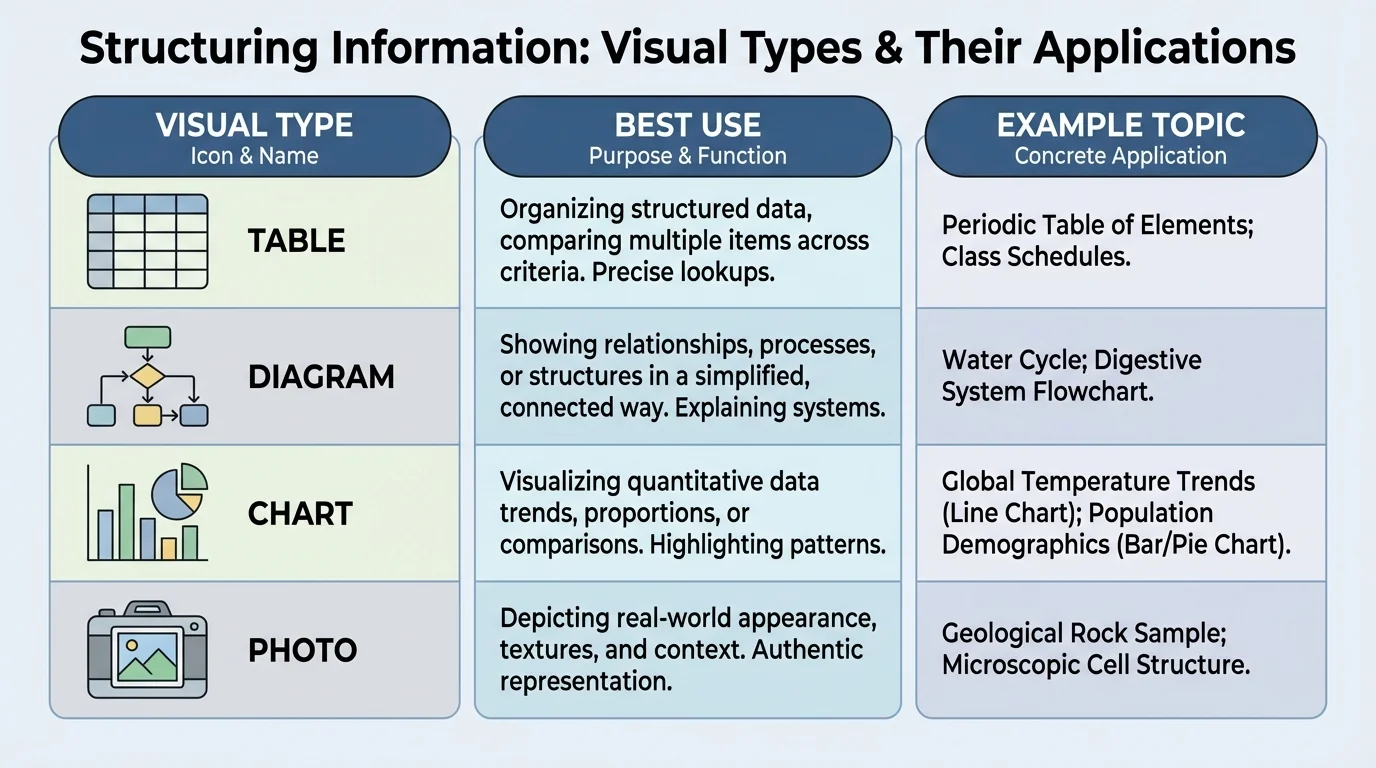
[Figure 3] Sometimes words alone are not the clearest way to explain something. A well-chosen graphic, table, chart, or short multimedia element can make relationships visible. Different visual tools serve different purposes, so writers need to select them carefully.
A table can help readers compare information quickly. A diagram can show parts of a machine or stages in a process. A chart can display patterns in data. A short video or animation may help explain movement or change over time, such as how tectonic plates shift or how blood moves through the heart.
The key word is help. Visuals should make the topic easier to understand, not simply make the page look interesting. If a graphic repeats exactly what the paragraph already explains, it may not be necessary. If it clarifies a relationship that is hard to picture in words, then it earns its place.
Captions are important because they tell readers what the visual shows and why it matters. A chart without a clear label can confuse the reader. Writers should also place visuals near the text they support so readers do not have to search for the connection.
Later, when you compare your own choices, think back to the comparison of visual tools. A diagram and a table are not interchangeable. If your audience needs to compare features, a table may work better. If your audience needs to understand parts and structure, a diagram may be the better option.
| Tool | Best Use | Example |
|---|---|---|
| Heading | Shows section topic | "Causes of Earthquakes" |
| Table | Compares information | Different types of rocks |
| Diagram | Shows parts or steps | Layers of a volcano |
| Chart | Shows data or patterns | Rainfall by month |
| Video clip | Shows motion or change | How a tornado forms |
Table 2. Common visual and formatting tools and the kind of information each tool explains best.
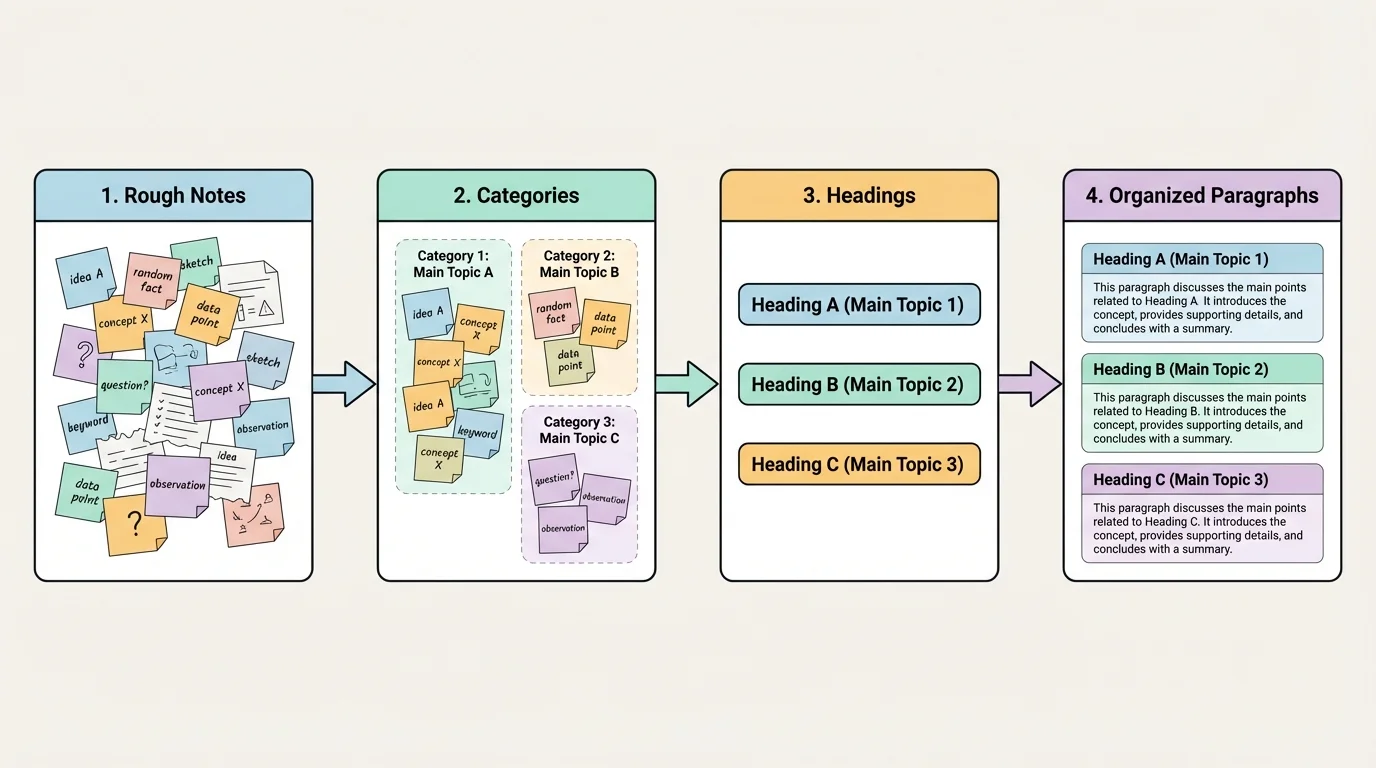
[Figure 4] Many students think organized writing happens only after the first draft, but it really begins before drafting. When you move from notes to categories to an outline, you are building the structure of the piece. The path from research notes to finished paragraphs is a series of decisions about grouping and order.
Suppose your topic is "How earthquakes affect communities." Your notes might include building damage, emergency kits, plate movement, aftershocks, warning systems, rescue teams, and rebuilding. If you try to write immediately, the draft may jump around. But if you sort the notes first, you might create these categories: what causes earthquakes, immediate effects, safety and preparation, and recovery after an earthquake.
Example: turning notes into an organized plan
Topic: school uniforms
Step 1: Collect notes
Possible notes include cost, student identity, dress code problems, comfort, equality, school rules, and opinions from families.
Step 2: Group related ideas into categories
You might group them as benefits, concerns, costs, and school policy.
Step 3: Create a preview for the introduction
A preview might mention the purpose of uniforms, possible advantages, and common concerns.
Step 4: Turn categories into headings
Headings could be "Why Schools Use Uniforms," "Possible Benefits," "Common Concerns," and "Costs and Rules."
The result is a plan the reader can follow easily.
Once the outline is ready, drafting becomes easier because each paragraph has a job to do. Instead of asking, "What do I say next?" you can ask, "What details belong in this category?" That is a much clearer writing problem to solve.
Planning also helps you avoid repetition. If one fact does not clearly belong in a section, you can decide whether it needs a new category, a different location, or no place in the piece at all.
One common mistake is a weak opening that never clearly names the topic. A reader should not have to guess what the piece is about. Fix this by stating the subject early and adding a brief preview.
Another mistake is mixing categories together. A paragraph about the causes of drought should not suddenly switch to a list of solutions and then back to causes. When this happens, the reader loses the thread of the explanation. Revising the structure usually solves the problem.
Some writers also overuse visuals or formatting. A chart, a photo, and a bold term on every line can make writing feel crowded. Remember the lesson about grouping details into clear categories: organization begins with clear categories, not with decoration. Formatting and visuals should support the structure that already exists.
A final mistake is giving details without explaining them. Informative writing is not a pile of facts. It is an explanation. Readers need to know why a fact matters, how it connects to the category, and how it helps them understand the topic better.
"Clarity is the courtesy of writers."
— Adapted from a common writing principle
That principle matters because informative writing is meant to teach. Courtesy in writing means helping the reader, not making the reader work harder than necessary.
Clear organization is strongest when it is paired with formal style and precise language. Formal style does not mean stiff or complicated. It means your wording is serious, respectful, and focused on the topic. Instead of saying "stuff," a precise writer says "materials," "evidence," or "resources," depending on the meaning.
Precise language helps readers understand exactly what you mean. For example, saying "many birds migrate" is less precise than saying "some birds migrate seasonally to find food and warmer temperatures." Specific words reduce confusion.
Formal style also avoids slang and casual fillers. In an informative piece, "Researchers observed a rise in temperature" is stronger than "Scientists kind of saw it getting hotter." The second version sounds uncertain and informal. The first is clearer and more academic.
Sentence variety matters too. If every sentence starts the same way, the writing can become dull. But even when you vary sentences, you should keep the structure easy to follow. Clarity always comes first.
When you combine a strong introduction, clear categories, useful headings, and carefully chosen visuals, you create writing that teaches effectively. That is true whether you are explaining photosynthesis, civil rights, robotics, or nutrition. The topic may change, but the writing moves in the same powerful way: from a clear beginning to an organized middle to informed understanding.
