Have you ever stepped from a shady spot into bright sunshine and felt a change right away? The ground, the slide, the sidewalk, and even a puddle can be different when the Sun shines on them. We can learn a lot just by looking carefully and noticing what happens.
The Sun gives sunlight to Earth every day. Sunlight shines on many parts of Earth's surface. It shines on soil, rocks, water, grass, sand, and roads. Earth's surface is the outside part we can see and touch.
When we look at places outside, we can find places in full sun and places in shade. A shady place may be under a tree, next to a building, or under a playground roof. These places do not get the same amount of sunlight.
Observation means using your senses to notice something carefully. You can look, touch carefully with help, and compare what you notice.
Shade is a place where sunlight is blocked by something, such as a tree, umbrella, or building.
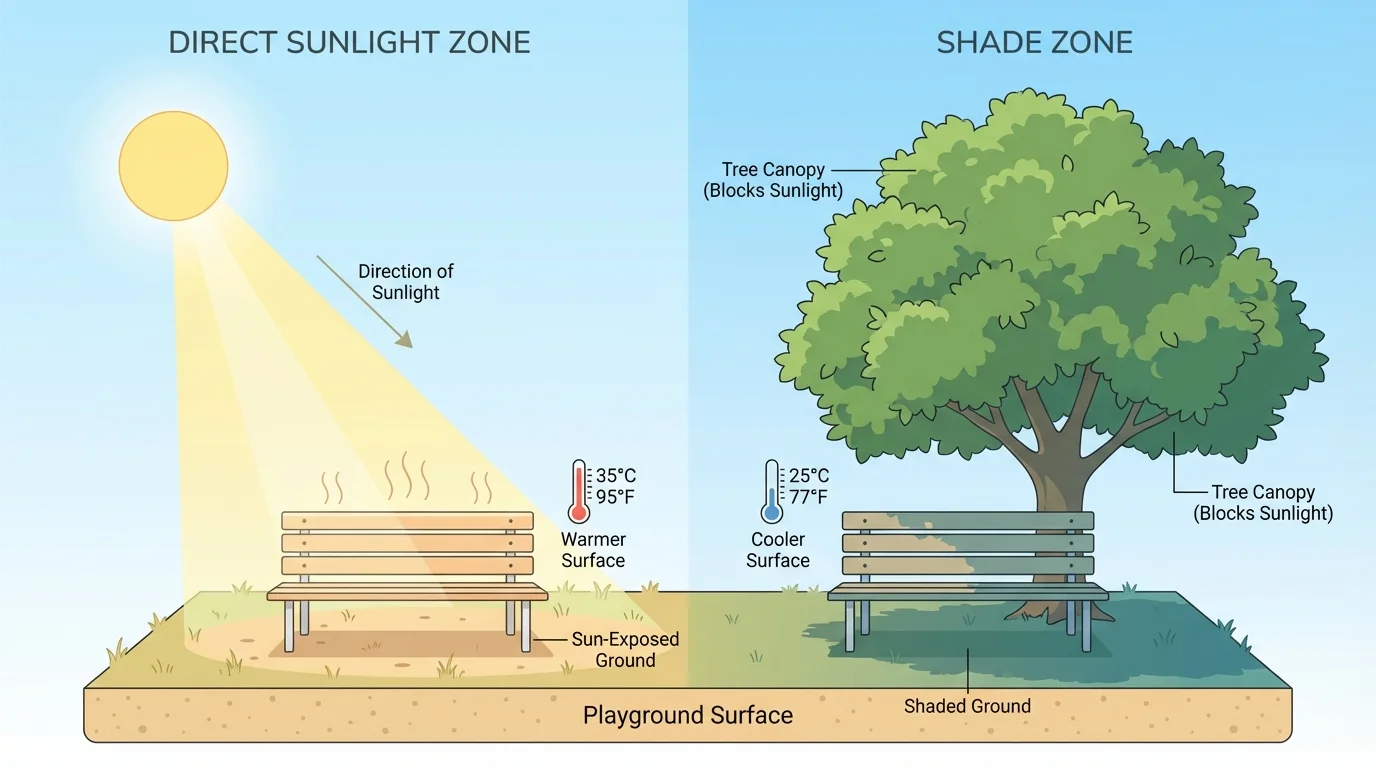
[Figure 1] Scientists use observations to learn about the world. Young scientists can do this too. You can notice if something looks bright or dark, feels warmer or cooler, or seems dry or wet.
Sunlight can change Earth's surface. A place in the sun often feels warmer than a place in the shade. We do not need exact numbers. We can simply compare and say warmer or cooler.
A blacktop playground, a wooden bench, or a rock may feel warmer after sunlight shines on it. A shady bench or a patch of grass under a tree may feel cooler. This happens because sunlight affects the surface it reaches.
Sunlight also makes places look brighter. In sunshine, colors can look strong and easy to see. In shade, the same place may look darker. So sunlight can change how a surface feels and how it looks.
Sun and shade make differences
When sunlight reaches a surface, that surface can become warmer. When sunlight is blocked, the surface often stays cooler. This is why two places close together can feel different if one is sunny and one is shady.
You may notice this on a walk. The sunny sidewalk can feel warmer than the grass under a tree. The same idea works on many surfaces across Earth.
To understand sunlight, we make careful observations. We look at two places and compare them. We ask simple questions: Which place is in the sun? Which place is in the shade? Which one feels warmer? Which one looks brighter?
Good observations use clear describing words. We can say sunny or shady. We can say warmer or cooler. We can say bright or dark. These words help us explain what we notice.
Real-world example: Sunny slide and shady slide
A child touches two parts of a playground with an adult helping.
Step 1: Look at the playground.
One part of the slide is in sunlight. Another part is under shade.
Step 2: Compare how they feel.
The part in sunlight feels warmer. The part in shade feels cooler.
Step 3: Tell the observation.
Sunlight made one part of the slide warmer than the shady part.
[Figure 2] Comparing is important because it helps us notice change. If we only look at one place, we know less. If we compare a sunny place and a shady place, we can better understand the effect of sunlight.
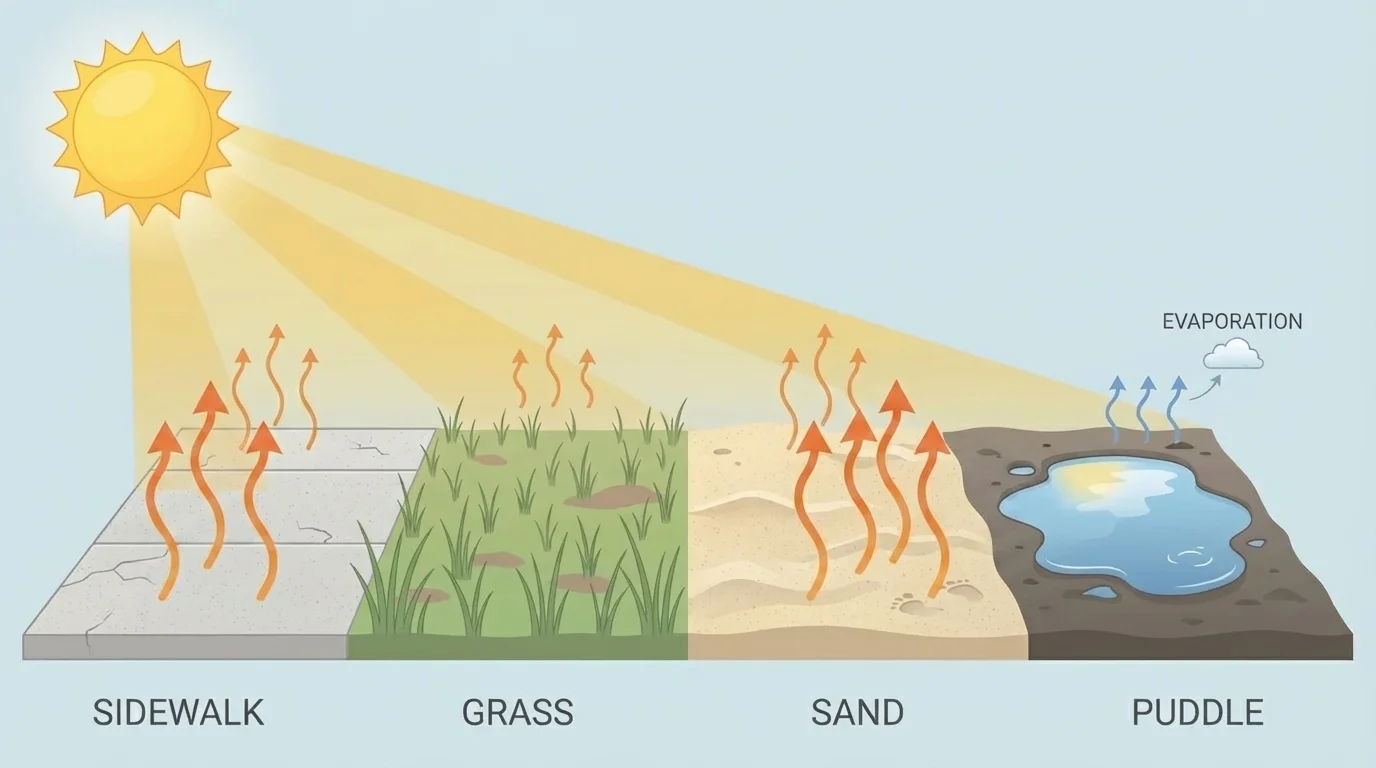
Earth has many kinds of surfaces, including sidewalk, grass, sand, and a puddle. Sunlight can affect each one. Some may feel warmer quickly. Some may stay cooler longer. All of them can be observed.
Pavement or sidewalk in sunlight may feel warmer than grass nearby. Sand at a park or beach may feel warmer in full sun than sand under an umbrella. A puddle in sunlight may shrink as the water dries up. Grass in shade may stay cooler and sometimes wetter than grass in full sun.
Rocks can feel warmer in the sun. Soil can look drier after sunshine. Snow or ice in sunlight can melt faster than snow or ice in shade. These are all effects of sunlight on Earth's surface.
Later, when we think again about different surfaces, [Figure 2] helps us remember that Earth is not just one kind of ground. It includes many surfaces, and sunlight can affect each one in its own way.
A puddle can get smaller after sunlight shines on it for a while. You may see more puddles in shady places because those spots stay cooler.
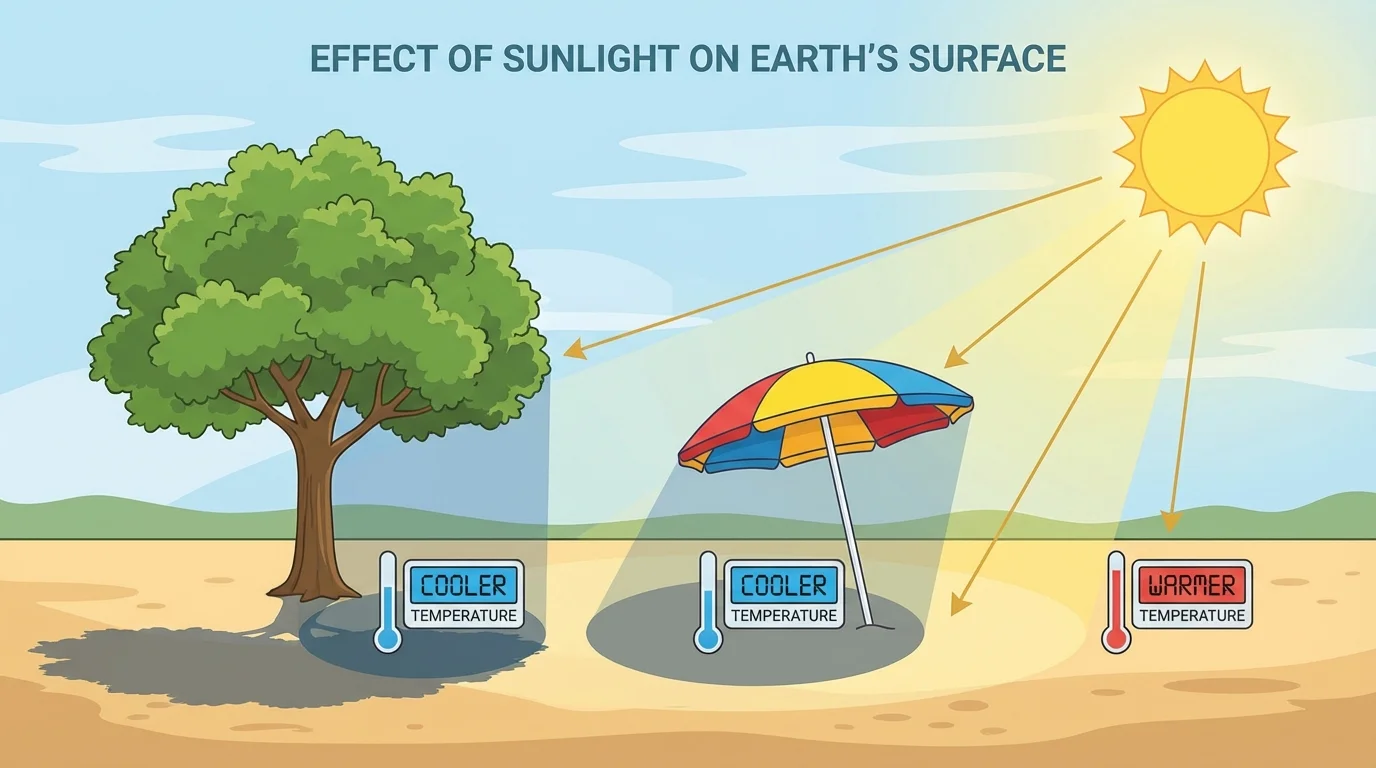
[Figure 3] Cars are not Earth's surface, but they give a helpful clue. A car seat left in sunlight may feel warmer than a seat in shade. This reminds us that sunlight can warm many materials it shines on.
Shade happens when something blocks sunlight from reaching the ground. Trees, umbrellas, buildings, and roofs can all make shade. Where there is shade, the surface below often stays cooler than the nearby sunny surface.
A tree can make a cool patch on the grass. An umbrella can keep sand cooler underneath. A building can make one side of the sidewalk shady while the other side stays sunny. The amount of sunlight matters.
Clouds can change sunlight too. When a cloud covers the Sun, a place may become less bright and sometimes cooler. When the Sun comes out again, the same place may feel warmer.
The Sun is a star that gives Earth light and warmth. We can notice its effects by looking at what happens outside during the day.
As we saw earlier in [Figure 1], even two spots very close together can be different if one is sunny and one is shady. Shade helps explain why these differences happen.
Observations about sunlight help people every day. Families may choose a shady bench at a park because it feels cooler. Gardeners notice that some plants get lots of sun and some grow in shade. Builders place roofs, walls, and trees where they can change how much sunlight reaches the ground.
People also notice sunlight in different seasons. A patch of snow in shade may stay longer than snow in sunshine. After rain, some places dry faster in the sun. These are simple observations that show sunlight affects Earth's surface.
| Surface | In Sun | In Shade |
|---|---|---|
| Grass | Often warmer | Often cooler |
| Sidewalk | Often warmer and brighter | Often cooler and darker |
| Sand | Often warmer | Often cooler |
| Puddle | May dry more quickly | May stay longer |
| Snow | May melt faster | May last longer |
Table 1. Examples of how sunlight and shade can affect different surfaces on Earth.
When we look carefully, compare places, and use words like warmer, cooler, brighter, and darker, we are doing science. We are using observations to learn how sunlight affects Earth's surface.
