Have you ever seen a tiny seed become a plant or a puddle disappear after the sun comes out? Nature is always doing something interesting. When we look carefully, we can see living things, notice changes, and talk about what is happening around us.
We learn about the world by observing. Observing means looking, listening, touching carefully, and noticing. We can observe a bird in a tree, a worm in the dirt, a flower in the grass, or clouds in the sky.
Our senses help us. We can see green leaves, hear rain, feel rough bark, and smell wet soil. When we pay attention, we find many details. A leaf may be small and smooth. A rock may be hard and gray. A flower may be soft and bright.
Observe means to notice something carefully. Describe means to tell about it using words. A living thing is something that grows and needs air, water, and food. A natural process is something that happens in nature, like rain falling or a seed growing.
Scientists begin by noticing what things are like. They talk about physical properties such as color, shape, size, and texture. These properties help us tell objects and materials apart.
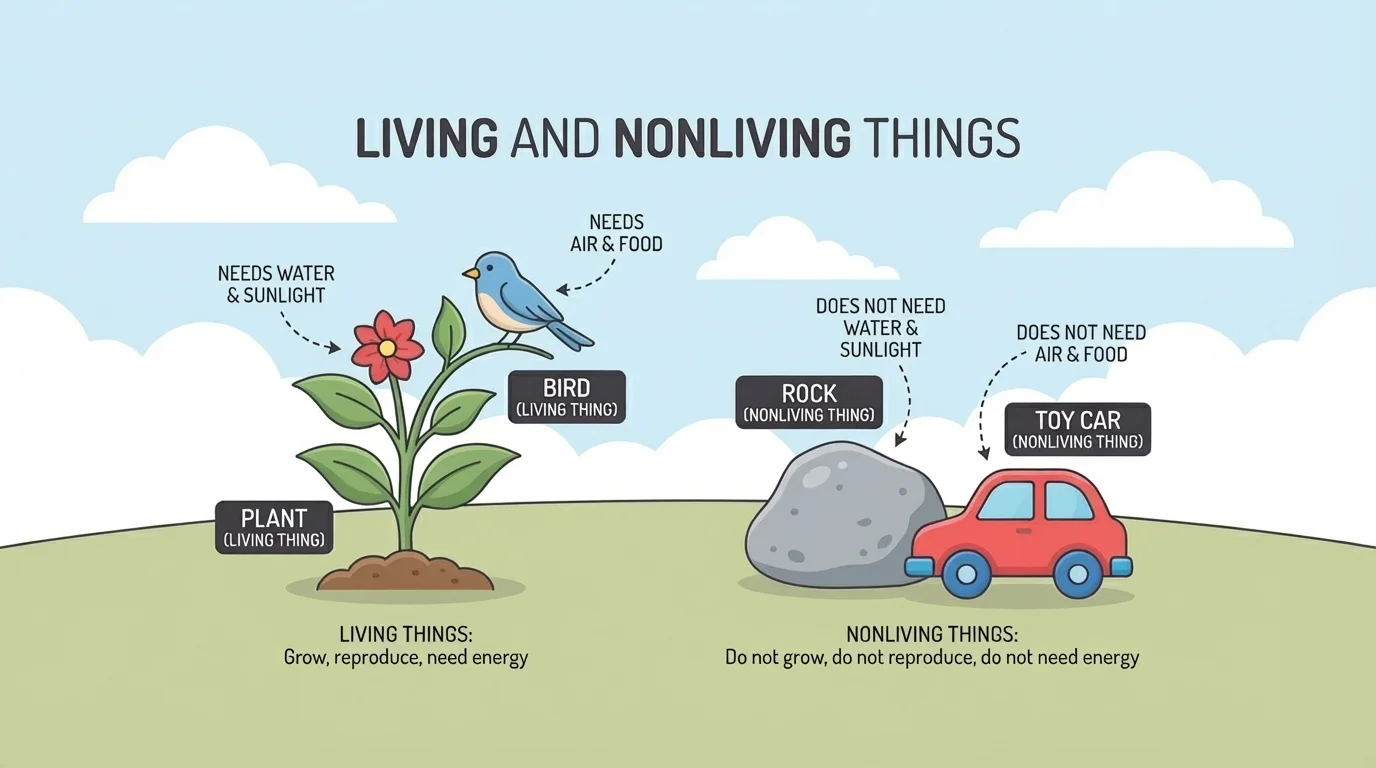
[Figure 1] helps us compare living and nonliving things in nature. A plant, a bird, and a bug are living things. They grow and change. They need water and air. Animals also need food. Plants need light and water to grow.
Some things are not living. A rock is not living. A stick that fell from a tree is nonliving. A toy car is not living because it does not grow or need food and water.
Living things can move in different ways. A dog runs. A fish swims. A flower does not walk, but it still grows toward light. That is a kind of change we can observe.
Some plants open their flowers in the daytime and close them at night. Even when they seem still, living things are changing.
When we decide if something is living, we ask simple questions. Does it grow? Does it need water? Does it change over time? These ideas help us sort what we see. Later, when we talk about plants growing and animals moving, we can remember the comparison in [Figure 1].
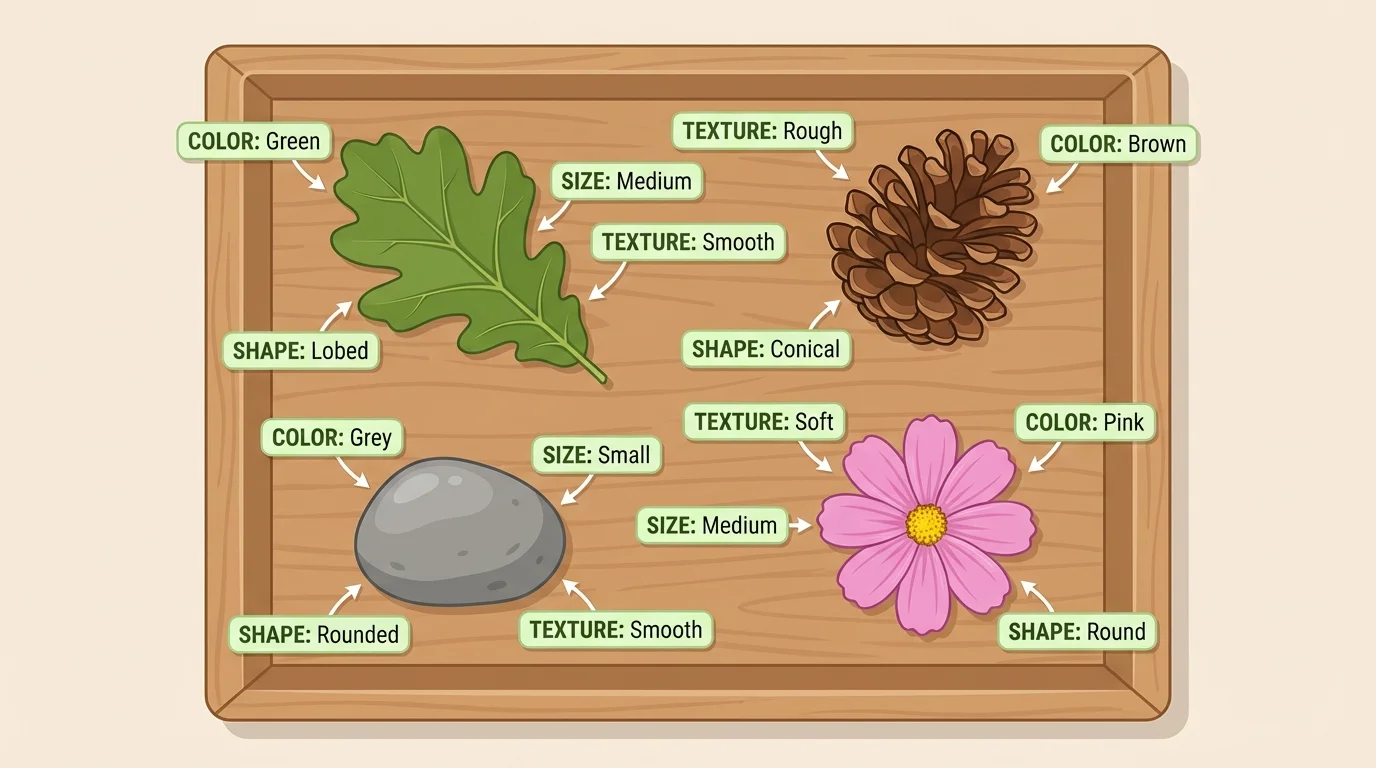
[Figure 2] introduces some of the clear words scientists use to describe nature. A physical property is something we can notice about an object or material. We may describe a leaf as green, small, and smooth. We may describe a pinecone as brown, hard, and rough.
These words help us compare things. One stone may be bigger than another. One flower may be red, while another is yellow. One feather may feel soft, while bark feels rough.
We can also describe how things sound and move. Bees buzz. Leaves rustle. Water drips. A snail moves slowly. A rabbit moves quickly.
| Nature object | Words to describe it |
|---|---|
| Leaf | Green, flat, smooth |
| Rock | Gray, hard, round |
| Flower | Bright, soft, small |
| Bark | Brown, rough, hard |
Table 1. Examples of natural objects and simple physical properties used to describe them.
Describing helps us notice patterns. If many leaves are green and soft, but a pinecone is brown and rough, we learn that different natural objects have different properties. This is one way we make sense of the world, just like the collection in [Figure 2] shows.
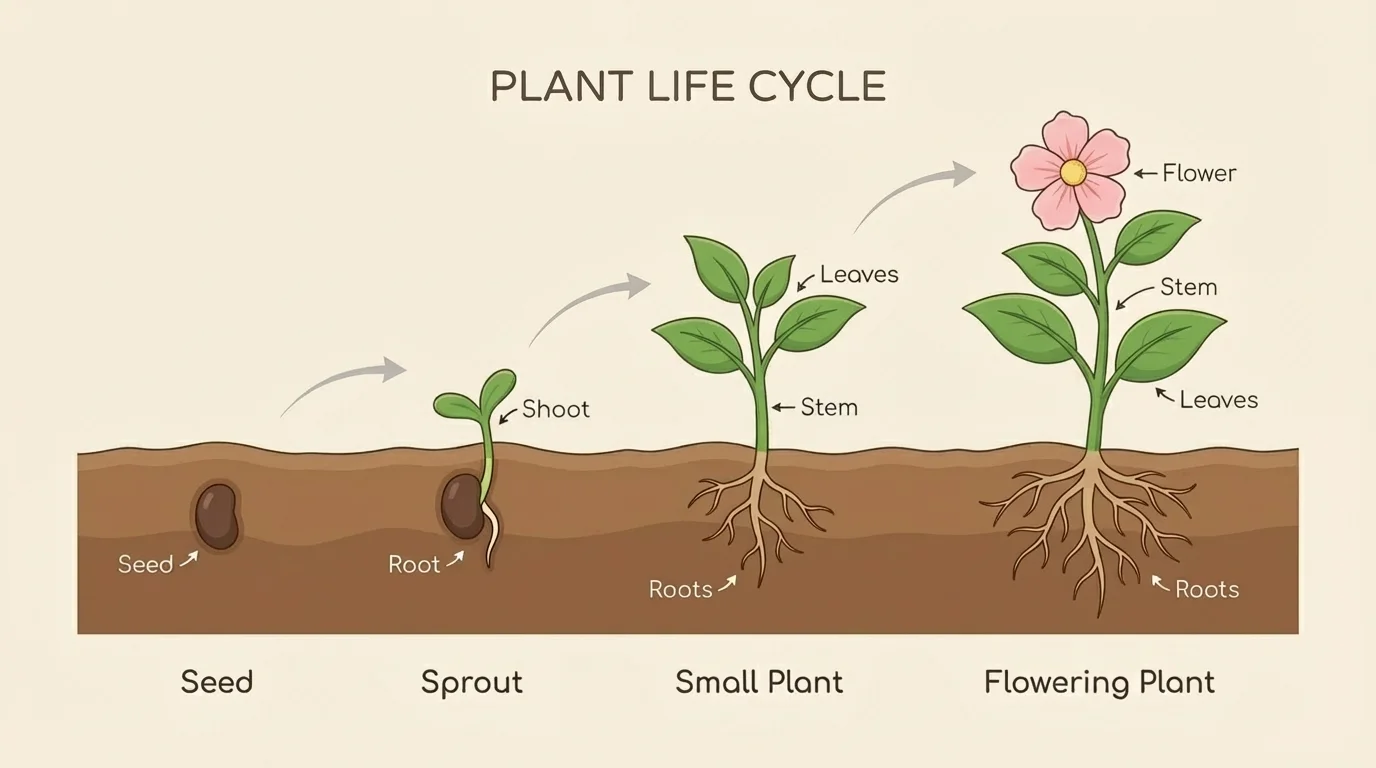
[Figure 3] shows one natural process: a seed growing into a plant. A natural process is something that happens in the natural world. A seed goes into soil, gets water and light, and begins to grow.
At first, we may see a tiny sprout. Then the stem gets taller. Leaves grow. Later, some plants make flowers or fruit. This change does not happen all at once. It happens over time.
Other natural processes happen in the sky and on the ground. Rain falls from clouds. Wind moves leaves. The sun warms the ground. A puddle may get smaller after sunshine because the water evaporates into the air.
Changes in nature happen at different speeds. Some changes are slow, like a tree growing taller. Some changes are fast, like rain starting or a gust of wind moving branches. Watching both slow and fast changes helps us understand nature better.
Day turns to night, and night turns to day. These are natural patterns. We may also notice warmer days and cooler days. These changes help plants and animals live in different ways. The growing steps in [Figure 3] remind us that living things follow patterns as they change.
We can observe changes in living things and in materials around us. Some changes are easy to see.
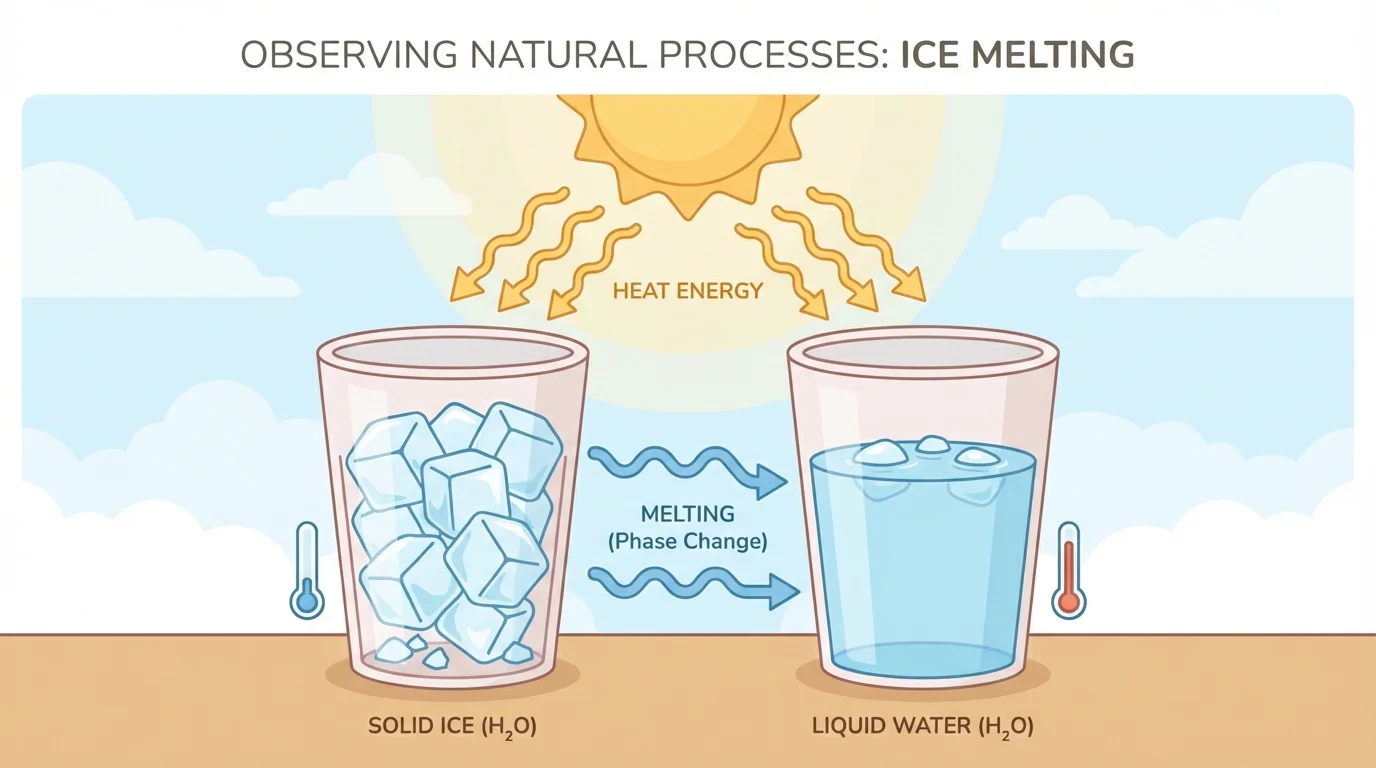
[Figure 4] shows a quick change. Ice can melt and become water when it gets warm. Wet clothes can dry. A puddle can shrink after a sunny day.
Some changes happen slowly. A tree grows over many seasons. A caterpillar changes into a butterfly. Grass grows after rain. When we watch carefully, we can talk about what happened first and what happened next.
Real-world observation example
A child looks at a bean plant each day.
Step 1: On the first day, the child sees dark soil and one small sprout.
Step 2: A few days later, the child sees two leaves.
Step 3: Later, the plant is taller and has more leaves.
By observing and describing, the child learns that living things grow and change over time.
Water changing from ice to liquid is not the same as a seed growing, but both are changes we can observe. This melting example helps us remember that nature includes changes in both living things and nonliving materials.
People use observation every day. Gardeners check if plants need water. Families notice if a pet is active or tired. Farmers watch the weather and the soil. Park workers look for healthy trees and clean water.
When people describe what they see, they can make good choices. If leaves look dry and droopy, a plant may need water. If dark clouds gather, rain may be coming. If a trail is muddy, people may walk carefully.
Using your senses helps you learn: eyes for color and shape, hands for texture when it is safe, and ears for sounds in nature.
Observing, describing, and discussing are important science skills. They help us notice living things, understand materials, and see how natural processes work all around us.
