Have you ever noticed that one little word can wear different endings like different hats? The word look can become looks, looked, or looking. The word changes a little, but it still keeps its main idea. Learning this helps you read more words and understand what they mean.
When readers know how words are built, they can figure out new words faster. That is an important reading skill. If you know the base word, you can often understand the longer word too.
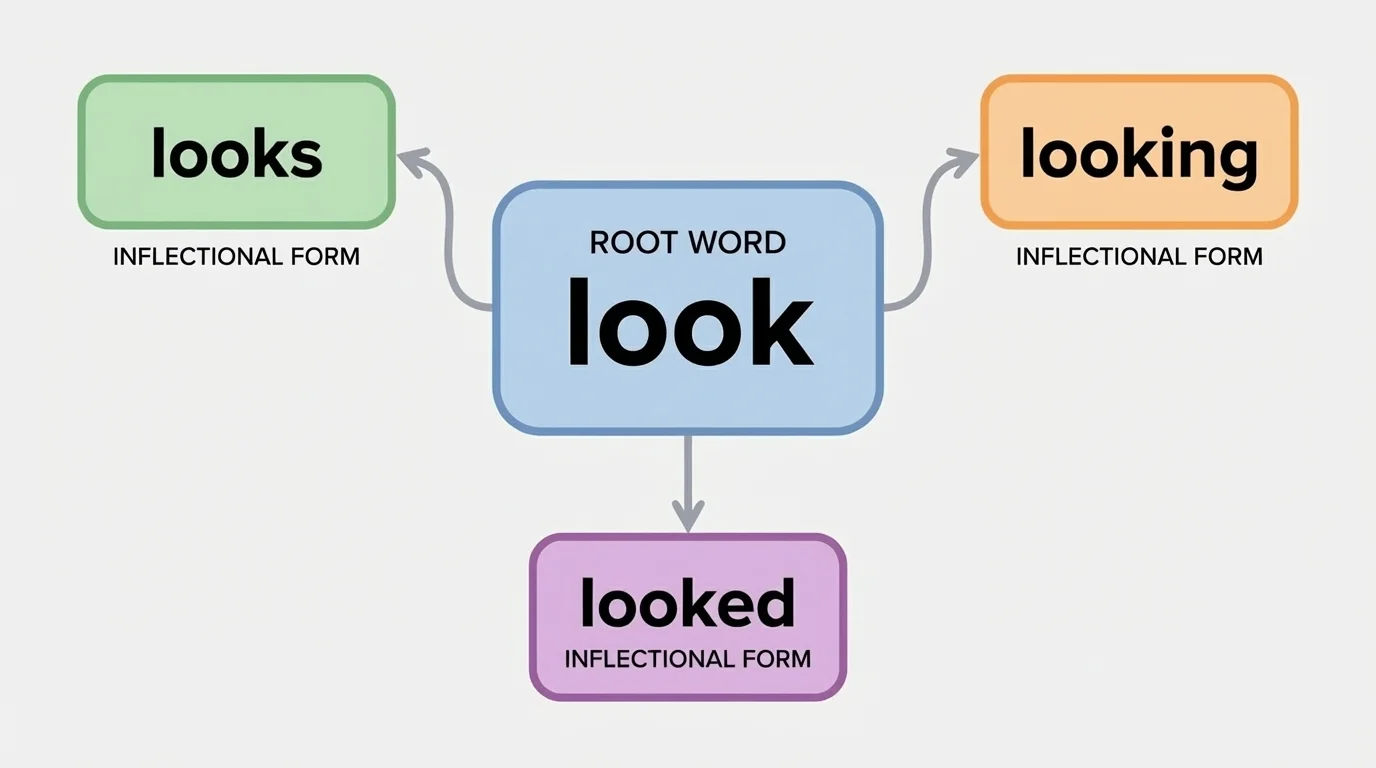
[Figure 1] A root word is the word part that holds the main meaning. In the word family for root word look, the part look stays the same in each word. One small word can grow into many related words in a word family web.
Here are some word families: look, looks, looked, looking; jump, jumps, jumped, jumping; play, plays, played, playing. In each family, the root word tells the main action.
Root word means the base word that carries the main meaning.
Inflectional ending means a small ending added to a word to change when it happens, how many there are, or how the word fits in a sentence.
When you read, look for the part that stays the same. That part often helps you know what the whole word means.
Words can take small endings that give readers important clues. These endings do not usually change the whole idea of the word. They add a clue.
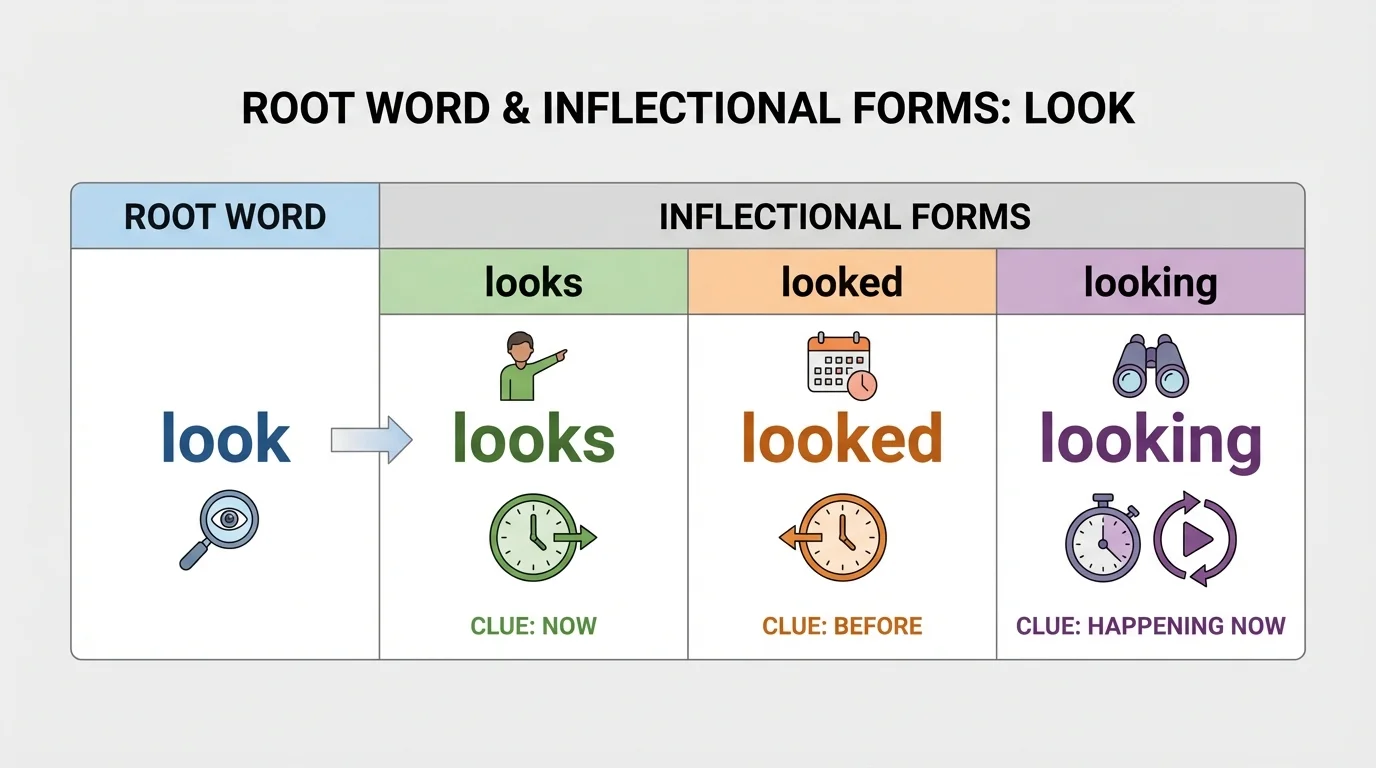
[Figure 2] Three very common inflectional endings are -s, -ed, and -ing.
-s can mean more than one or can tell about what someone does now. She looks. -ed often tells that something already happened. He looked. -ing often tells that something is happening now. They are looking.
Read these examples: I look at the sky. Mom looks at the sky. We looked at the sky. We are looking at the sky. The root word stays the same, but the ending gives a new clue.
Sometimes the ending tells when something happens. Sometimes it tells how the word works in the sentence. Good readers notice both.
A word family is a group of words that share the same root. Words in a family are connected, like members of a team. They belong together because they share meaning.
Look at this table.
| Root Word | Form | What It Tells Us |
|---|---|---|
| look | look | the base action |
| look | looks | happens now with one person or thing |
| look | looked | already happened |
| look | looking | happening now |
| jump | jumped | already happened |
| play | playing | happening now |
Table 1. Examples of root words and some of their inflectional forms.
When you know one word in a family, you can often read the others more easily. If you know jump, then jumps, jumped, and jumping make more sense.
Many of the most common action words in books for young readers use these same endings again and again. That means learning a few endings helps you read many more words.
The word family around look is especially helpful because it appears often in stories and directions. Later, when you see another family, you can use the same idea we saw earlier in [Figure 1].
[Figure 3] Readers do not look at a word all by itself. They read the whole sentence for clues. The sentence helps you know which form makes sense.
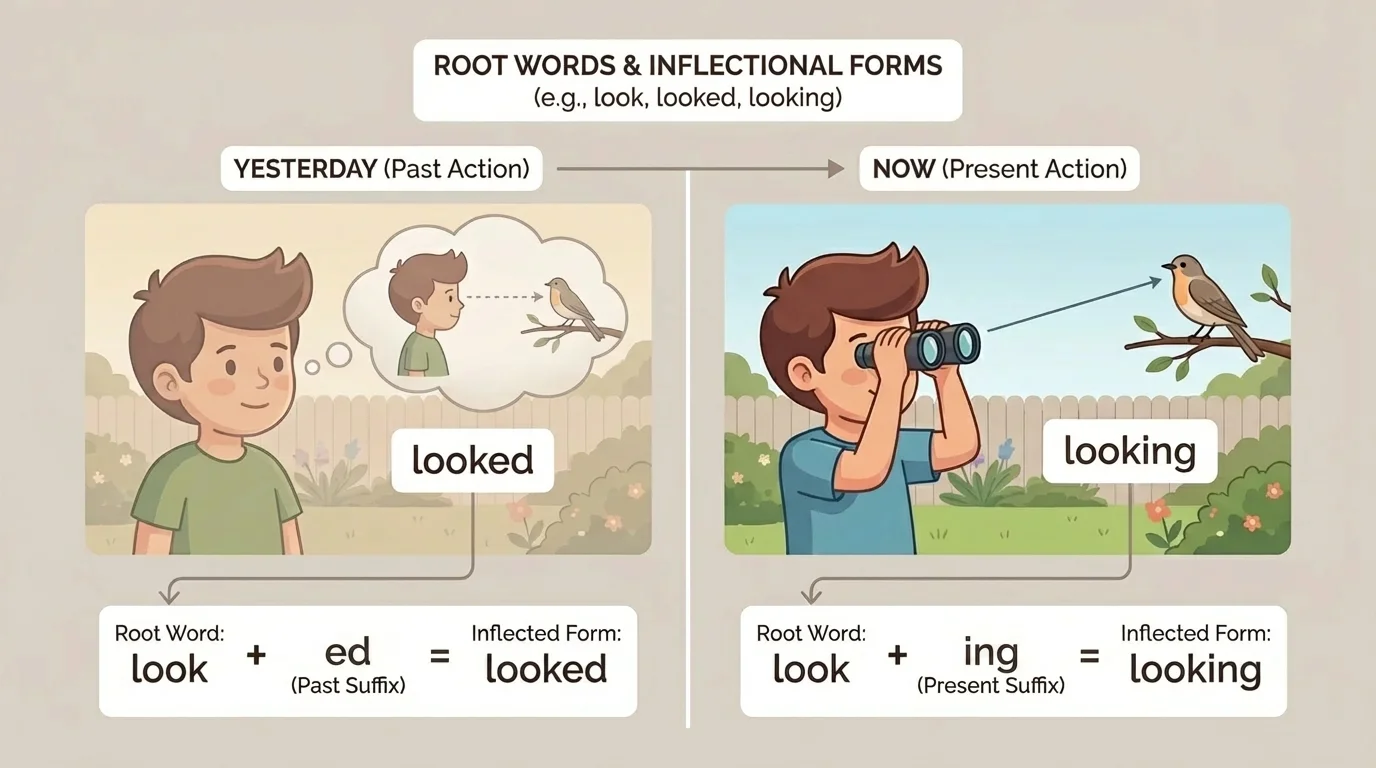
Read these sentences: Sam looked at the dog. The word looked tells that the action already happened. Sam is looking at the dog. The word looking tells that the action is happening now.
Here is another set: The boy jumps. The boy jumped. The boy is jumping. Each word has the same root, jump, and the picture helps show how the ending changes the meaning a little.
Finding the root word in a sentence
Sentence: The cat is looking out the window.
Step 1: Find the action word.
The action word is looking.
Step 2: Look for the part that stays the same.
The part look is the root word.
Step 3: Notice the ending.
The ending -ing tells that the action is happening now.
So looking means the cat is doing the action of look right now.
Sentence clues matter too. In the sentence Yesterday we looked at shells, the word yesterday matches the ending -ed. In the sentence Now we are looking at shells, the word now matches the ending -ing.
Many words simply add an ending: look + ed = looked, jump + ing = jumping. That makes them easy to spot.
Some words change a little when an ending is added. For example, make becomes making. The word still keeps its main meaning, but sometimes a letter drops off. Even when the spelling changes a bit, readers can still look for the root word.
How readers use word parts
Good readers look for the base part they know and then notice the ending. This helps them read smoothly and understand meaning at the same time. If a word looks longer, breaking it into the root word and the ending makes it easier.
Here are more examples: hope and hoping, dance and dancing. The words change a little, but the main action stays.
Knowing root words and endings helps you read new words without getting stuck. If you know play, then played is not a completely new word. It is a familiar word with an added clue.
This also helps with meaning. When you see looks, looked, or looking, you know all of them connect to the same action. The ending tells the extra part. The chart in [Figure 2] reminds us that endings act like tiny meaning helpers.
As you read stories, directions, and poems, you will see these word forms often. When you notice the root word first, reading becomes clearer and faster. The action pictures from [Figure 3] also remind us that endings can tell whether something already happened or is happening now.
You already know many action words. This lesson helps you notice how those same words can change with small endings and still keep their main meaning.
Readers who understand word structure can solve unfamiliar words more confidently. That is an important step in becoming a strong reader.
