Have you ever read a text that teaches you how bees make honey, how kids went to school long ago, or how to build a paper airplane? These texts are written to teach real facts, real ideas, and real steps. Learning how to read these texts well is like becoming a reading detective: you notice clues, ask questions, and put ideas together.
An informational text is a piece of writing that gives facts or explains something real. It is different from a story that is made up. Informational texts can teach about animals, weather, communities, famous people, machines, or how to do a task.
Some informational texts are about history, which tells about people and events from the past. Some are about science, which explains the natural world. Some are technical texts, which teach the steps for making or doing something. Good readers learn to notice what kind of informational text they are reading, because each kind gives information in a slightly different way.
Informational text gives true information about a real topic. It may explain facts, describe a process, answer questions, or give directions.
[Figure 1] When you read informational texts, your job is not only to say the words. Your job is to understand the ideas. That means thinking, "What is this mostly about?" "What new facts did I learn?" and "Which details help explain the main idea?"
Informational texts often include special parts called text features. These features help readers find information quickly and understand it more clearly. A heading tells the topic of a section. A caption explains a picture. Bold words point out important vocabulary. Labels name parts of a diagram. A glossary tells the meanings of tricky words.
If you open a book about frogs, you might see the heading Life Cycle, a picture of eggs in water, and a caption that says frogs begin life as eggs. You do not have to read every part in the same way. A heading prepares your brain for what is coming. A caption adds information. A diagram can show something that is hard to explain with words alone.
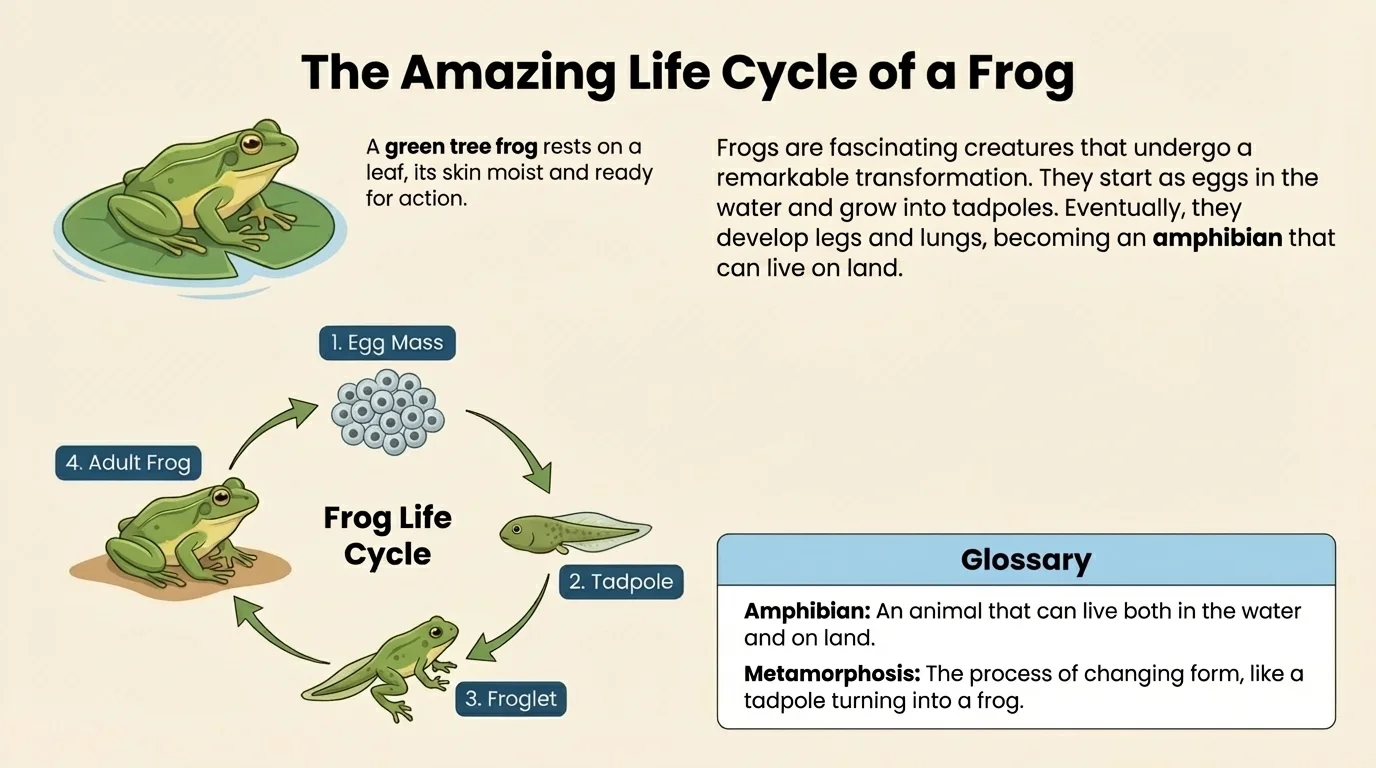
Other helpful features include a table of contents, an index, photographs, maps, charts, and timelines. These features are not decorations. They are tools. Strong readers use them on purpose.
When a book or article seems hard, stop and look at the features first. They can give you clues before you read every sentence. Later, when you need to check a fact, those same features help you return to the right place. That is one way readers become more independent.
History and social studies texts tell about people, places, and events in communities and in the past. Readers often need to pay close attention to the order of events, as [Figure 2] helps illustrate. Words such as long ago, first, next, later, and finally show sequence.
Suppose you read a passage about schools long ago. It might explain that children wrote on slates, sat in rows, and sometimes all ages learned in one room. A good reader notices the main idea: school in the past could be different from school today. Then the reader gathers details that support that idea.
History texts may also describe important people and why they mattered. If you read about a leader who helped a town grow, ask: What did this person do? Why was it important? What happened because of those actions? Those questions help you move beyond single facts and understand the whole picture.
Timelines and maps can also help. A timeline puts events in order. A map shows where something happened. When you connect time and place, the information becomes easier to remember.
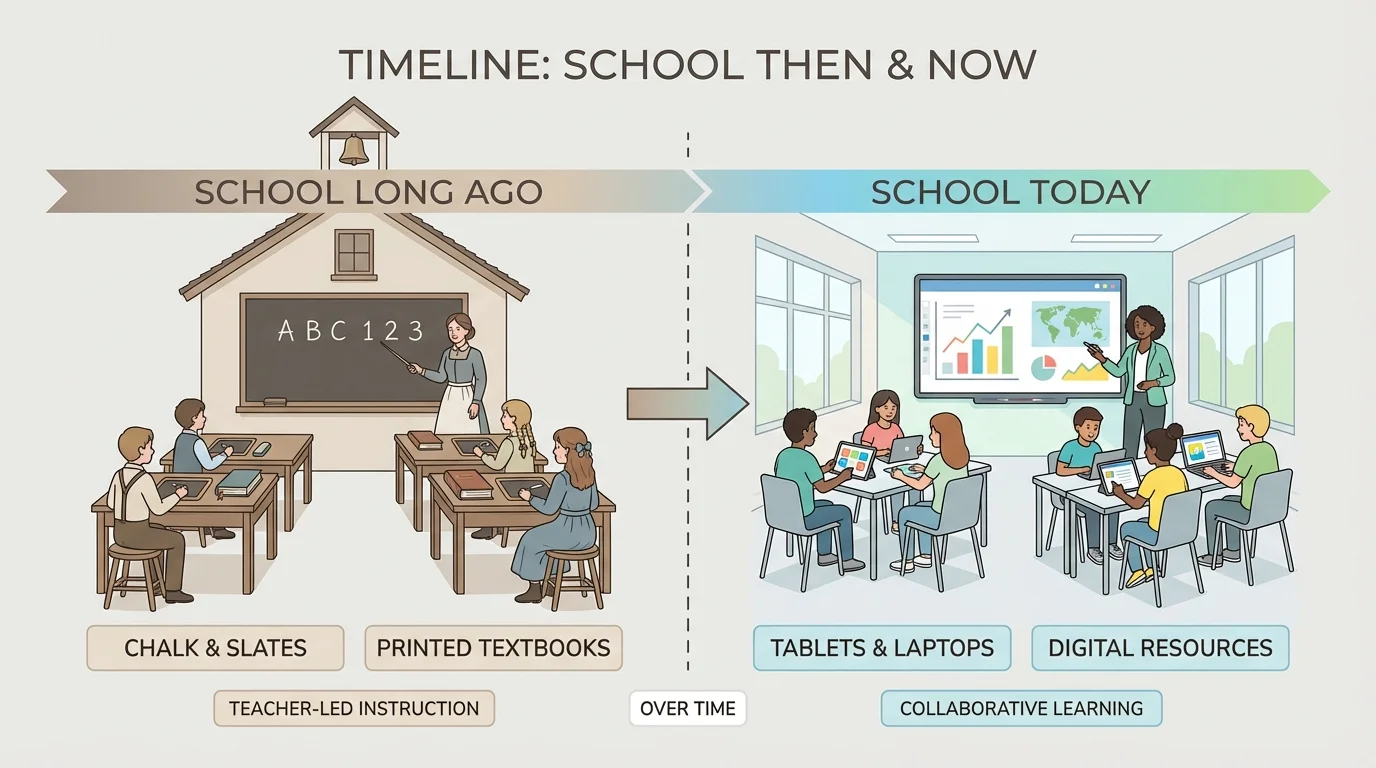
Social studies texts may explain communities, laws, jobs, and symbols. For example, a passage about firefighters might explain how they help keep a community safe. The main idea is not just "firefighters exist." It is that communities have workers who do important jobs for everyone.
Science texts explain how the world works. They often describe animals, plants, weather, space, matter, sound, or simple experiments. Science reading asks you to notice facts carefully. It also asks you to connect ideas. If a text says plants need sunlight, water, and air, you should understand that these things help plants live and grow.
Many science texts use cause and effect. A cause is why something happens. An effect is what happens. If rain falls for many days, the ground may become muddy. The rain is the cause. The muddy ground is the effect. Finding cause and effect helps a reader understand scientific explanations.
Reading like a scientist means paying attention to facts, noticing patterns, and asking how or why something happens. Science readers often compare, classify, and look for cause-and-effect relationships.
Science texts also include special vocabulary. You might read words like observe, habitat, energy, or germinate. You do not need to panic when you see a new word. Look for clues in nearby sentences, pictures, labels, and captions. Sometimes the text explains the word right away.
For example, if a book says, "Seeds germinate, or begin to sprout, when they get water and warmth," the words begin to sprout help you understand germinate. Good readers keep going, using clues to build meaning.
Some of the most interesting science books answer questions people really ask, such as why shadows change shape or how ants carry objects bigger than their bodies. Informational reading often begins with curiosity.
[Figure 3] As you continue reading, connect new facts with earlier ones. If the text first explains that clouds hold tiny drops of water and later explains rain, those ideas belong together. Science reading becomes stronger when you link details into one clear explanation.
A technical text gives directions or procedures. It might explain how to wash your hands correctly, how to use a classroom tool, or how to plant a seed. In this kind of reading, order matters, and step-by-step structure is very important. If you skip a step or mix up the order, the result may not work.
Words such as first, second, after that, and last are very important in technical texts. So are numbered lists and diagrams. They tell you what to do and when to do it.
Think about directions for planting a seed. The text may tell you to put soil in a cup, place the seed inside, cover it lightly, water it, and place it in sunlight. If you dump in too much water first or forget the sunlight, the steps are not followed correctly. Reading carefully helps you do the task the right way.
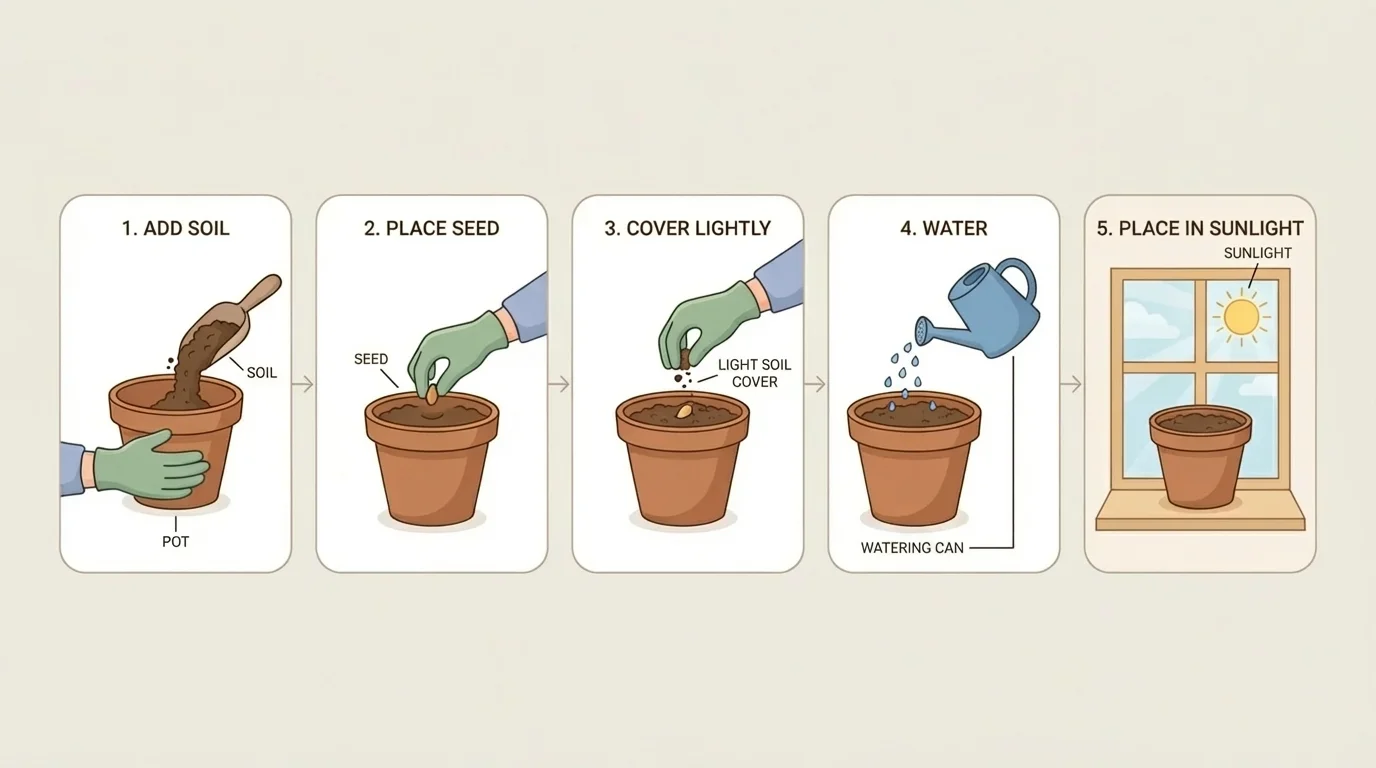
Technical texts often use short, clear sentences because they are meant to help someone act. When reading them, slow down and check each step. You are not just reading to know. You are reading to do.
Sometimes a text in the grades 2–3 band feels easy, and sometimes it feels more challenging. That is normal. Proficient readers use strategies when a text gets tough.
One strategy is to reread. The first read helps you meet the text. The second read helps you understand it better. Another strategy is to read in small chunks. Stop after a paragraph and ask yourself what it was mostly about.
A third strategy is to ask questions while reading. You might ask, "What does this word mean?" "Why did that happen?" or "Which detail is most important?" Questions keep your brain active.
Using a strategy with a tricky paragraph
Paragraph: "Beavers build dams from sticks and mud. The dams slow the water and create ponds. These ponds can become homes for many living things."
Step 1: Find the topic.
The paragraph is about beavers and what their dams do.
Step 2: Notice cause and effect.
Beavers build dams. Because of that, the water slows and ponds form.
Step 3: State the main idea.
Beaver dams change the water and create habitats for living things.
Another helpful support is scaffolding. Scaffolding means getting help while you learn something harder. A teacher might read part of the text aloud, explain a heading, discuss a picture, or help with a new word. This support does not do the reading for you. It helps you grow stronger so you can do more on your own.
The text features from earlier still matter here. On a harder page, go back to the heading, caption, or glossary. As we saw in [Figure 1], these features guide your thinking and help organize information.
To read informational texts proficiently means to read them accurately and understand them well. It also means becoming able to handle texts that are a little more complex. You do not need to race. Good reading is not about being the fastest. It is about making meaning.
Fluency means reading with accuracy, at a smooth pace, and with attention to meaning. When readers are fluent, they spend less energy figuring out each word and more energy understanding the ideas.
You already know that sentences are made of words and that punctuation helps guide your reading. In informational texts, those same skills help you pause, group ideas, and understand facts more clearly.
Fluency in nonfiction may sound different from fluency in a story. A reader may pause at a bold word, study a diagram, or slow down for a long sentence with many facts. That is still strong reading. In fact, it is wise reading.
Proficient readers also adjust their reading. In a history text, they may pay extra attention to dates and sequence. In a science text, they may watch for cause and effect. In a technical text, they may check the order of steps. That flexibility is a big part of comprehension.
Different informational texts have different jobs, but strong readers use many of the same skills across all of them. They look for the main idea, notice important details, use text features, think about how ideas connect, and stop when something does not make sense.
If you read a page about school long ago, you may use sequence words and a timeline to understand what changed over time. If you read directions for growing a bean plant, you may follow the ordered steps to understand exactly what to do. If you read a science explanation, you may look for causes, effects, and key vocabulary.
The more you read real-world texts, the more prepared you become for learning in every subject. Reading helps you learn science facts, understand the past, use tools correctly, and answer your own questions about the world. That is why informational reading is such an important superpower for students.
