Imagine you want to buy a new video game. You bought it from a store, or maybe you downloaded it from an online shop.
Behind that simple action, a whole economic story is happening: you are a consumer, and the game company is a business. Together, you and millions of other people help decide what gets made, what gets sold, and how money moves around the Western Hemisphere—from Canada and the United States to Mexico, Brazil, and many other countries.This lesson explores how consumers and businesses work together, how they affect each other, and why that matters for your own money choices and your future.
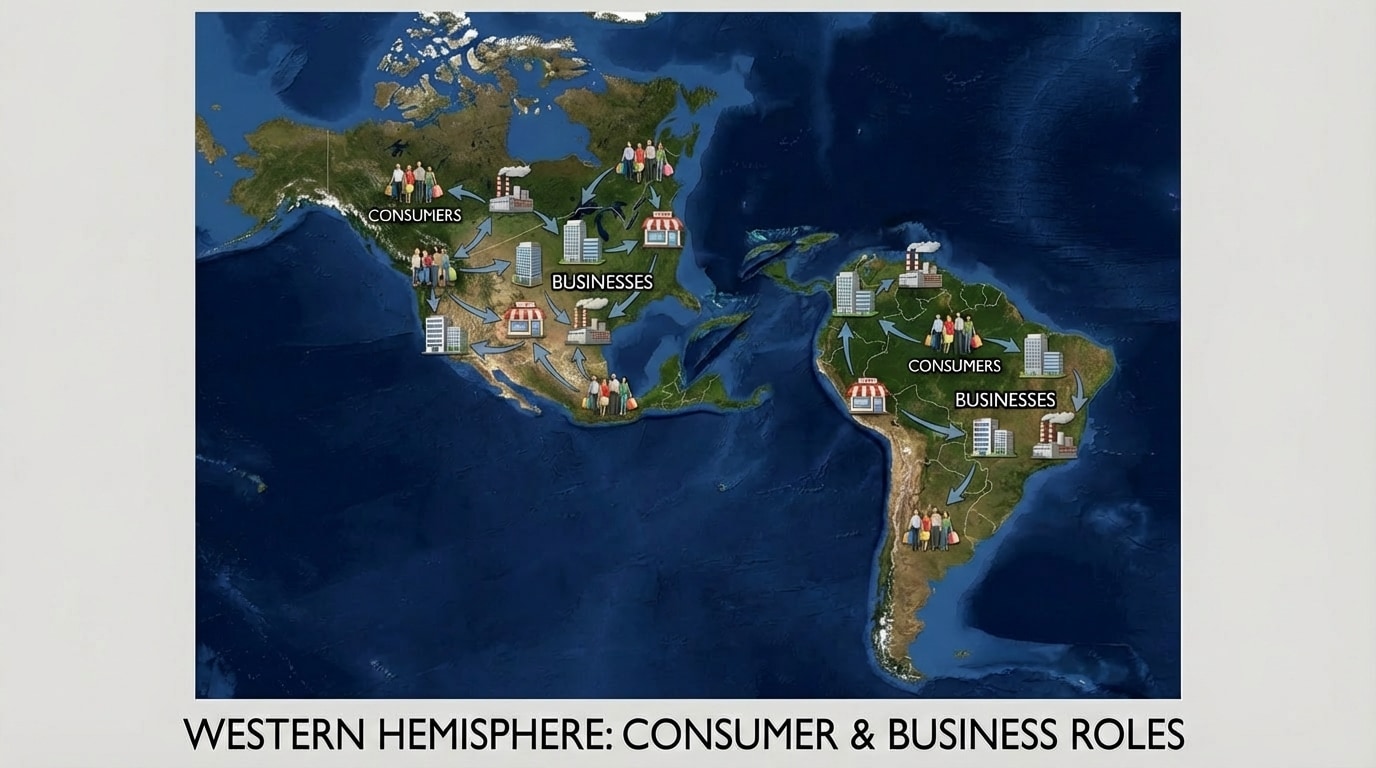
As shown in [Figure 1], the Western Hemisphere includes many countries where people and companies constantly buy and sell goods and services.
A consumer is any person or group that buys or uses goods and services. If you:
you are acting as a consumer.
Consumers are not just kids and families. Schools, city governments, and even other businesses can be consumers when they buy things.
A business is an organization that makes or sells goods or provides services to earn money (called profit). Businesses can be:
Some businesses sell things you can touch, called goods, like clothes, phones, or toys. Others offer services, like haircuts, teaching, or online gaming platforms.
Every consumer makes choices. These choices are guided by needs and wants:
People in the Western Hemisphere, from Canada to Argentina, all have needs and wants. But they may make different choices depending on their culture, income, and what businesses offer in their country.
Most people do not have unlimited money. That means they must decide how to spend what they have. This money plan is called a budget.
For example, imagine you get 20 dollars of allowance each month. You might:
Different kids in different countries in the Western Hemisphere also make budgets, even if the money amount and prices are different. Learning to budget carefully is a key part of personal financial literacy.
Consumers are powerful. Their choices send signals to businesses:
For example:
This constant back-and-forth between consumers and businesses is called market interaction.
Businesses also influence consumers. They decide:
Businesses in the Western Hemisphere often use ads on TV, social media, and apps to convince you to buy their products. They might:
All of this can push you to want something more, even if it’s not a need. Learning to notice this and think, “Do I really need this?” is part of being a smart, financially literate consumer.
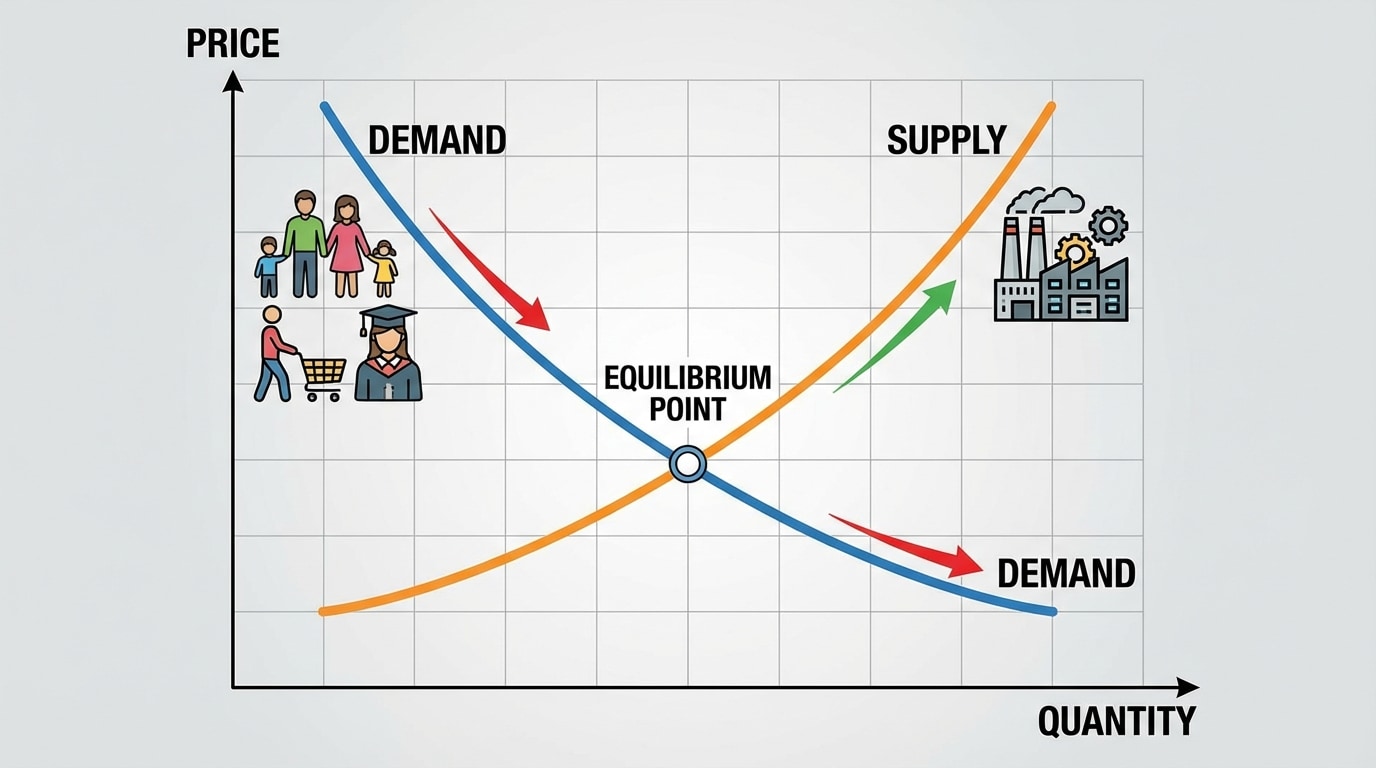
Businesses and consumers are connected through prices. Two key ideas help explain this: supply and demand.
Some basic patterns:
For example, if a famous singer from Colombia releases a new hoodie and everyone in North and South America wants it, demand is very high. The business might charge a higher price because they know people are willing to pay more.
As shown in [Figure 2], you can picture supply and demand as two lines on a graph that meet at a point where the price is just right for both consumers and businesses.
When businesses are successful, they often hire more workers. This creates jobs. When consumers stop buying from certain businesses, those businesses might shrink or close, and jobs can be lost.
Across the Western Hemisphere:
Your purchases can connect to someone’s job far away, sometimes in another country on the same side of the globe.
The Western Hemisphere has many different markets where buying and selling happen:
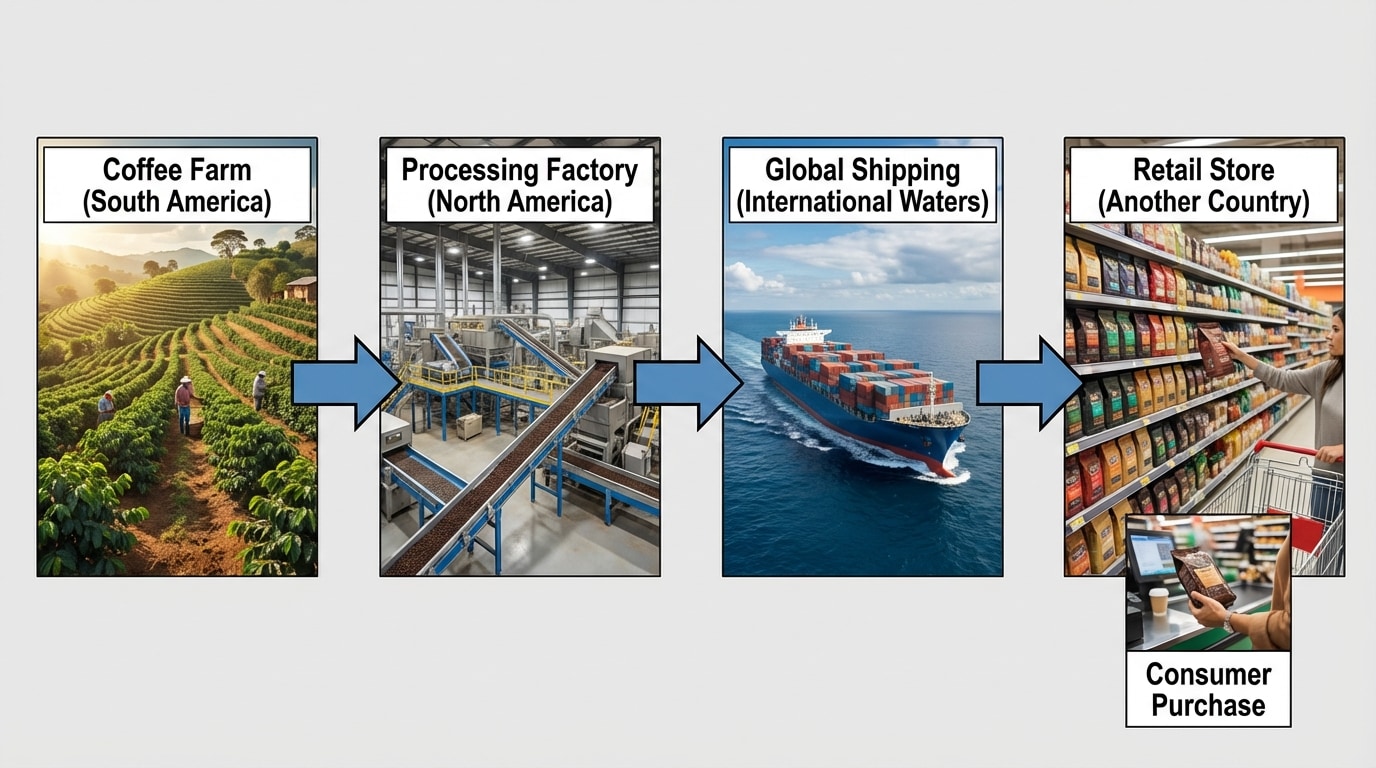
Sometimes, a product’s journey is long. Imagine a chocolate bar you buy in a store:
As shown in [Figure 3], this path connects farmers, factory workers, truck drivers, store owners, and finally you—the consumer.
Businesses in the Western Hemisphere come in many types. Understanding them helps you see how they relate to your life and money choices.
Each type has different rules about who makes decisions and who gets the profit, but all of them depend on consumers to stay alive.
Banks and other financial institutions connect consumers and businesses.
When you choose to save money rather than spend it, you are making a personal financial decision that affects how much money you have for future wants or needs. People all across the Western Hemisphere use saving and borrowing to reach goals such as buying a home, starting a business, or paying for education.
Many consumers in the Western Hemisphere use debit cards and credit cards:
Being careless with credit can lead to debt, which is money you owe that must be paid back over time. Understanding this helps you make smart choices when you are old enough to use these tools.
Today, many consumers buy things online instead of in physical stores. Digital businesses are very common in the Western Hemisphere:
Online shopping offers more choices, often at different prices, but it also forces consumers to think about:
Understanding these issues is a modern part of personal financial literacy.
In many Western Hemisphere countries, consumers have rights that protect them, such as:
At the same time, consumers have responsibilities:
Being aware of your rights and responsibilities helps you protect yourself and treat businesses fairly.
More and more, consumers and businesses are thinking about the environment and ethics (what is right and wrong). For example:
When consumers show they care about these issues by how they spend their money, businesses often change their behavior. This means your personal financial choices can affect forests, oceans, and people’s lives in other countries.
In every country in the Western Hemisphere, governments also play an important role in the economy.
Understanding that some of the money you or your family spends (through taxes) supports public services helps you see the bigger economic picture around you.
As you grow up, your role as a consumer will change and probably become larger. You might:
People across the Western Hemisphere use savings and investments to prepare for emergencies, big purchases, and retirement. Starting to think about these ideas now helps you make wiser decisions later.
Consumers and businesses are constantly interacting in the Western Hemisphere. Consumers express their needs and wants through their purchases. Businesses respond by offering goods and services and setting prices. These choices connect to jobs, the environment, government services, and the global movement of products and money.
By understanding how this system works, you can:
Your everyday decisions—what you buy, what you save, and what you value—help shape the economies of the Western Hemisphere and the world.
