Have you ever lost track of time because you were drawing, playing, or building something you love? That happy, focused feeling is a clue to your interests and strengths!
An interest is something you really like and want to do or learn about a lot. It makes you feel curious, excited, or calm.
A strength is something you are good at, or a way you act that helps you and other people. It can be about your brain, your body, or your heart.
Interests are things you enjoy doing or learning about, like drawing, dancing, or reading about animals. Strengths are things you do well, like being a good listener, running fast, or staying calm and focused.
Some examples of interests are:
Some examples of strengths are:
When you pay attention to what you like and what you are good at, you are using self-awareness. Self-awareness means you are noticing your own thoughts, feelings, and actions.
You can ask yourself:
Think about three children, as shown in [Figure 1]:
Each child is smiling and feels calm and happy. Their bodies feel relaxed, and their minds are focused. This shows those are their interests.
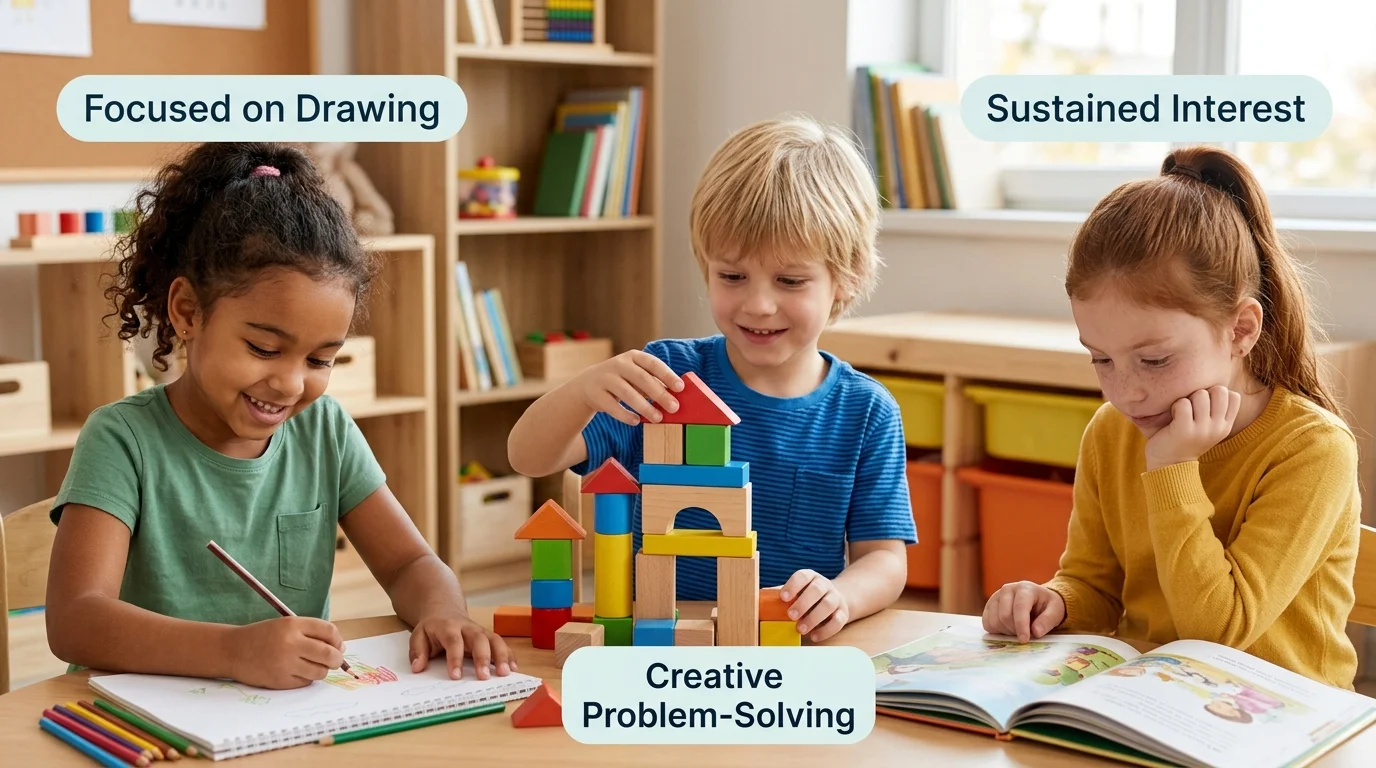
You can notice your interests by paying attention to your feelings. If something makes you say, "Can I do it again?" or "I want to learn more!", that is probably an interest.
Your interests can make learning easier and more fun. When you care about a topic, it is easier to listen, remember, and keep trying.
Here are ways interests help with learning:
Teachers can use your interests to help you learn. For example, if you like cars, your teacher might give you a counting page with cars, or a reading book about a race.
Using interests as learning helpers
When you connect school work to your interests, your brain pays more attention. You remember more and feel braver to try hard work, because it feels fun and important to you.
When you tell your teacher about your interests, they can better understand you and help you grow. 🪴
Interests can also help you make and keep friends. When someone likes the same things you like, it is easier to start talking and playing together.
Some ways interests help friendships:
You can also make friends with someone who has different interests. You can say, "Tell me about what you like!" When you listen, you show respect and care.
Sometimes a new friend introduces you to an interest you never tried before, like a new game or a kind of music, and you discover you like it too.
When you share interests kindly, you show others that you want to connect, not just play alone. That helps friendships grow stronger.
Your strengths are special powers that help you learn and be a good friend. Some strengths are easy to see, like running fast. Others are inside, like staying calm or remembering rules.
Here are some kinds of strengths:
| Type of strength | What it can look like |
|---|---|
| Heart strength (kindness) | Helping a friend who is sad |
| Brain strength (thinking) | Solving a hard puzzle |
| Body strength (movement) | Jumping, throwing, or dancing well |
| Focus strength (attention) | Finishing your work carefully |
| Talking strength (communication) | Explaining ideas clearly |
Table 1. Different types of strengths with simple examples.
To discover your strengths, you can notice:
Remember that everyone has more than one strength, and strengths can grow when you practice.
When you use your strengths to help yourself and other people, you are showing strong interpersonal skills, as shown in [Figure 2]. Interpersonal skills are ways of acting that help you get along with others.
For example, if your strength is being a good listener, you can listen carefully when a partner shares an idea. If your strength is noticing small details, you can help your group remember the steps to a project.
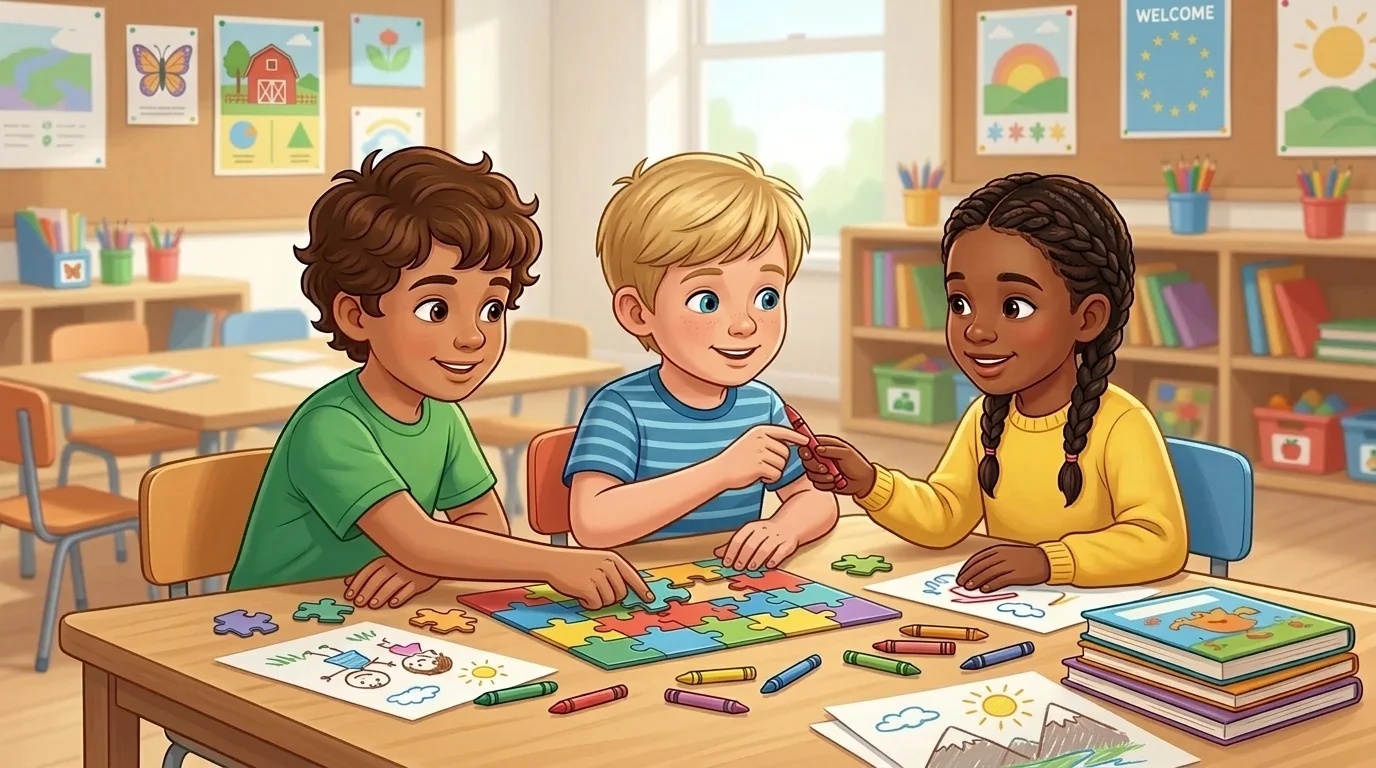
Here are some ways to use your strengths:
When you use your strengths to help, people feel safe and happy around you. This makes learning time smoother and friendship time more fun.
Not everyone likes the same things you like, and that is wonderful. Our classroom is like a garden with many different flowers. Each person's interests and strengths add something special.
Here is how to respect differences:
When you respect differences, you help everyone feel that they belong. That makes your class and friendships stronger and kinder.
"You are good at some things. Your friends are good at other things. Together, you can do amazing things."
— Classroom saying
Your interests show what you love. Your strengths show what you can do. When you know both, you can learn with joy and build caring friendships.
