Have you ever seen two children play in very different ways? One may run and jump. Another may sit quietly and stack blocks. Both ways can be okay. People are not all the same, and that is a good thing.
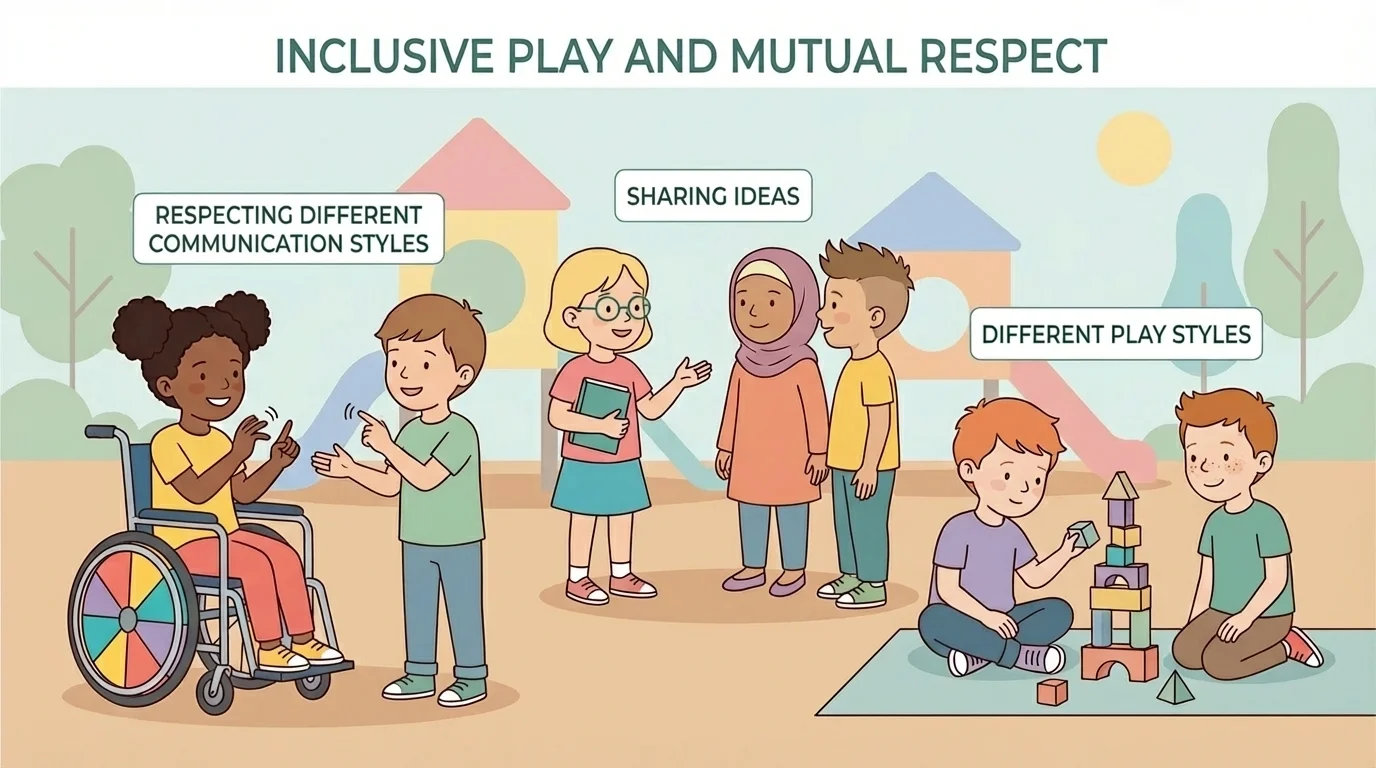
[Figure 1] Each person is special. Some people have different hair, skin, eyes, or clothes. Some people move in different ways. Some people talk a lot. Some people are quiet. Some people use a different voice, different words, or need more time to speak. Some people like loud games, and some like calm games. Everyone deserves respect.
When you notice a difference, you can stay kind. You do not need to stare, laugh, or point. You can look with friendly eyes and use a gentle voice. A person who is different from you is still a person with feelings, likes, dislikes, and ideas.
Respect means treating people in a kind and caring way. It means your words, face, and actions show that other people matter.
Different means not exactly the same. Different is not bad. Different is part of our world.
You may also notice that community members meet in many places: at home, at the park, in a class outside school, at a library event, or on a video call. In all of these places, kindness still matters.
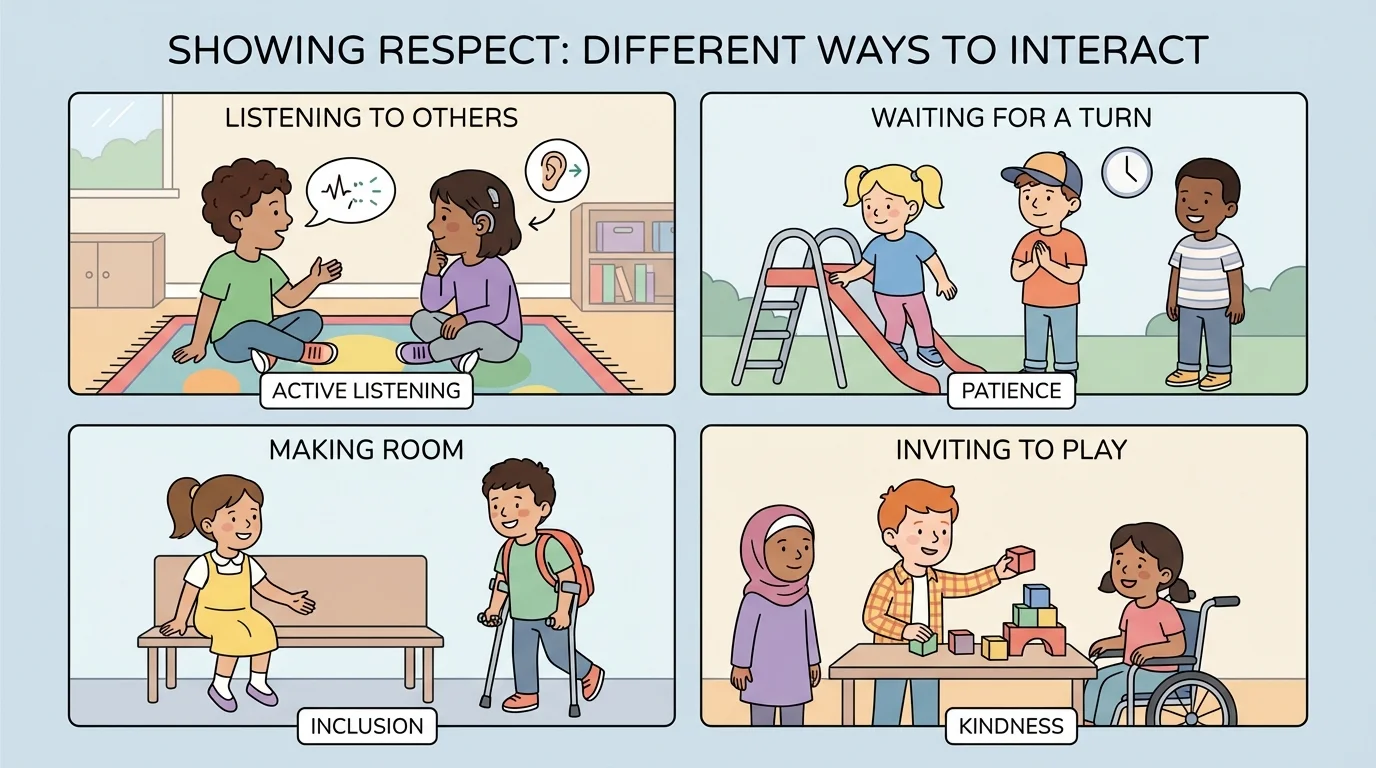
[Figure 2] Respect is not just a thought. It is something you do. Respect looks like listening, waiting, making room, and inviting someone in. These are small actions, but they help people feel safe and welcome.
You show respect when you listen while someone talks. You show respect when you wait for a turn. You show respect when you use kind words. You show respect when you let someone play in the way that works for them. If someone needs more space, slower play, or a different toy, you can still be kind.
If a child speaks differently, let them finish. If a child moves differently, do not copy them to be silly. If a child plays differently, do not say, "That is wrong." You can say, "You can play your way." That is a caring kind of empathy. Empathy means trying to understand how someone else might feel.
Kind choice example
You are playing with toy animals. Another child wants to line them up quietly instead of making them jump and roar.
Step 1: Stop and notice.
See that the other child is playing in a different way.
Step 2: Stay kind.
Do not grab the toys or laugh.
Step 3: Use friendly words.
Say, "You can play like that."
Step 4: Share space.
You can play nearby or together in a way that works for both of you.
When respect is missing, people can feel sad, left out, or scared. When respect is present, people feel calmer and more ready to join. That is why your choices matter.
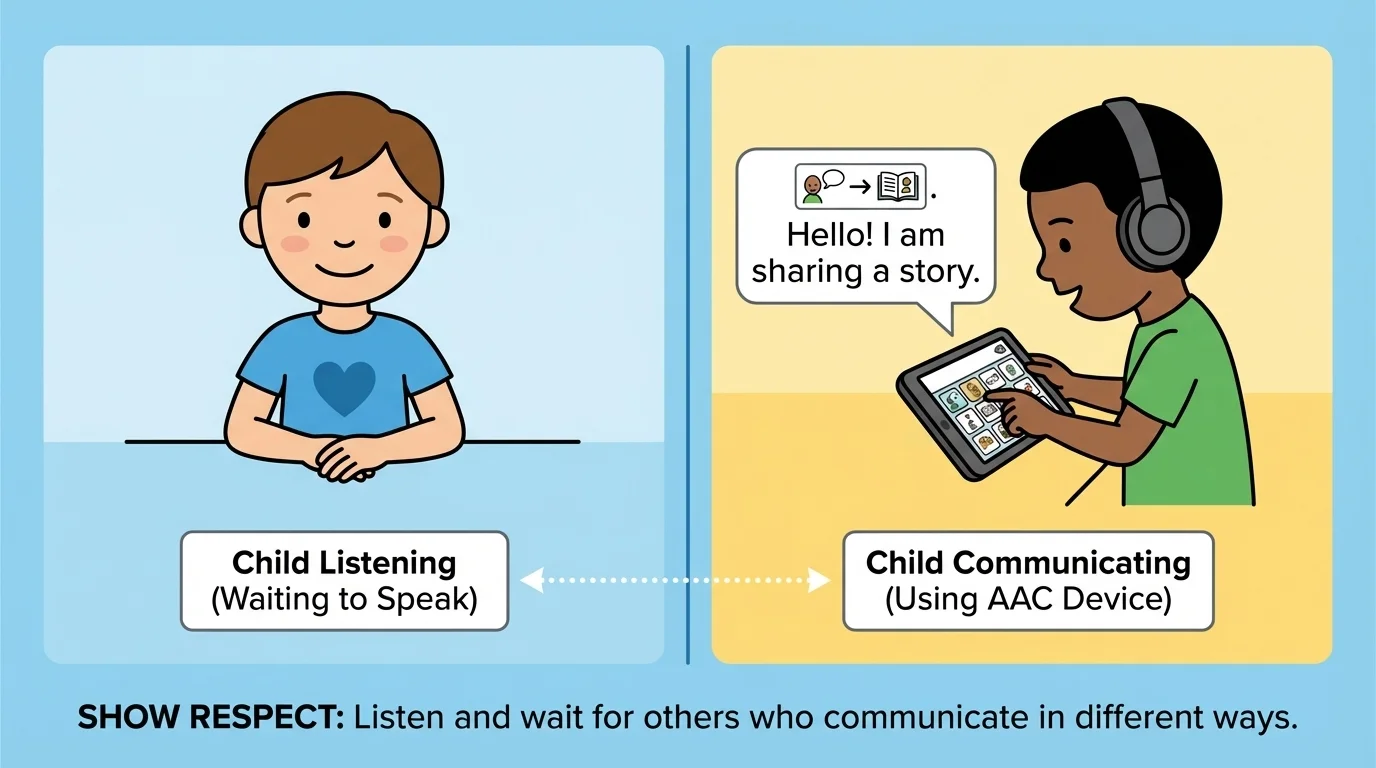
[Figure 3] You can practice respect during everyday moments too. On a video call, you can wait while someone else talks. If a person speaks slowly, repeats words, uses sounds you do not use, or communicates in a different way, you can keep your face calm and kind. Do not giggle or mock them.
At home, you can respect brothers, sisters, cousins, neighbors, and adults. At the park or at an activity in your community, you can choose gentle words. If someone wants to swing quietly, build in the sand, or watch before joining, that is okay.
Being respectful in real life means matching your actions to kindness. Your face can be kind, your hands can be gentle, and your words can help others feel included. Respect is something people can see and hear.
Sometimes you may not understand why someone talks, looks, or plays in a certain way. You do not have to understand everything to be kind. You only need to remember: be gentle, be patient, and let people be themselves.
It is okay to feel surprised. New things can feel confusing. What matters is what you do next. Instead of staring, whispering, or laughing, try this simple plan.
Step 1: Pause your body. Keep your hands to yourself. Step 2: Make your face calm. Step 3: Choose kind words, or stay quiet if you are not sure what to say. Step 4: Let the person keep talking, moving, or playing. This is a good way to practice including someone.
Young children can learn kindness very early. Small actions like waiting, listening, and sharing space help build strong friendships over time.
If you have a question, you can ask a trusted grown-up later in a respectful way. You should not ask rude questions to make someone feel strange or embarrassed. Some questions belong in private with a caring adult.
It helps to have short, kind sentences ready. You can say, "Hi." You can say, "Do you want to play?" You can say, "You can go first." You can say, "I like your game." You can say, "That is okay." These words are simple, but they help people feel welcome.
Look back at [Figure 2]. The children are not all doing the same thing, yet they still show kindness. Respect does not mean everyone must match. Respect means everyone gets care.
"Kind words and kind actions help everyone belong."
On a video call, you can also say, "I am listening." If there is a pause, wait. If someone needs help, you can say, "Take your time." These words show patience and care, just like the calm child on the screen in [Figure 3].
Respect helps people feel safe. Respect helps people make friends. Respect helps your home and your community feel warm and welcoming. When you treat people kindly, even when they are different from you, you help make the world better.
The children in [Figure 1] remind us that differences are a normal part of life. Some people look different. Some speak differently. Some play differently. All still deserve kindness. You do not have to be the same to care about each other.
