Your town, neighborhood, or school is full of clues from long ago. A street name, an old building, a faded photograph, or a family letter can help us learn what life was like before we were born. History is not only about kings, presidents, or famous battles. History also lives in the places near us and in the stories, objects, and pictures people leave behind.
Local history is the story of a place close to where you live. It may be the history of your town, city, tribe, neighborhood, school, or even a park nearby. Local history helps us understand how a place changed over time and how people lived there.
When we study local history, we look for clues. These clues are called sources. A source provides information about the past. Some sources are made during the time something happened. Other sources are made later, after people have had time to think, study, and write about what happened.
Primary source means a source that comes from the time being studied or from someone who was there. Secondary source means a source made later that explains or tells about the past using information from other sources.
A local source might come from many places. It could be in your home, at a library, in a museum, at a community center, in a tribal office, or in a newspaper archive. It might also be outdoors, such as a statue, a cemetery, or an old bridge.
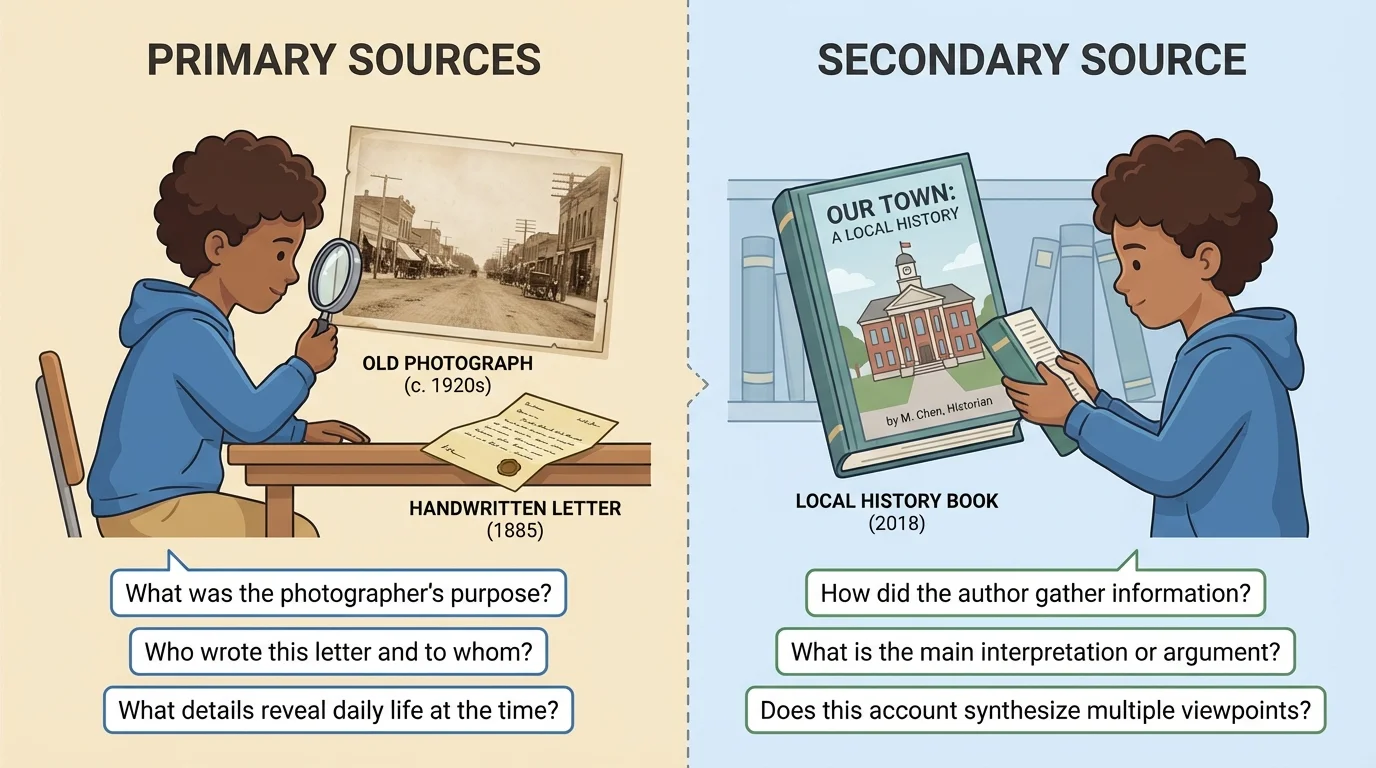
[Figure 1] compares primary and secondary sources. A primary source gives us a direct clue from the past, while a secondary source tells about the past after someone studies it. Both kinds of sources are useful, but they do different jobs.
An old class picture from your school is a primary source. A letter written by a grandparent when they were young is a primary source. A map made many years ago is a primary source if it was created during that time. A book about your town's history, written last year by a historian, is a secondary source. So is a website that explains what the old map means.
Primary sources help us get close to the past. They let us see what people saw, read what they wrote, or study objects they used. Secondary sources help us understand the bigger story because they put many clues together.
Sometimes one item can be tricky. For example, a photograph of an old letter is not the same as the letter itself, but it still helps us study the original. Historians think carefully about where a source came from and how it was saved.
Some historians learn a lot from tiny details, such as the kind of paper in a letter, the clothing in a photograph, or the names written on a map.
We can often learn more when we use both kinds of sources together. A history book may explain that a school opened long ago, and an old photograph may show what the building looked like on the first day.
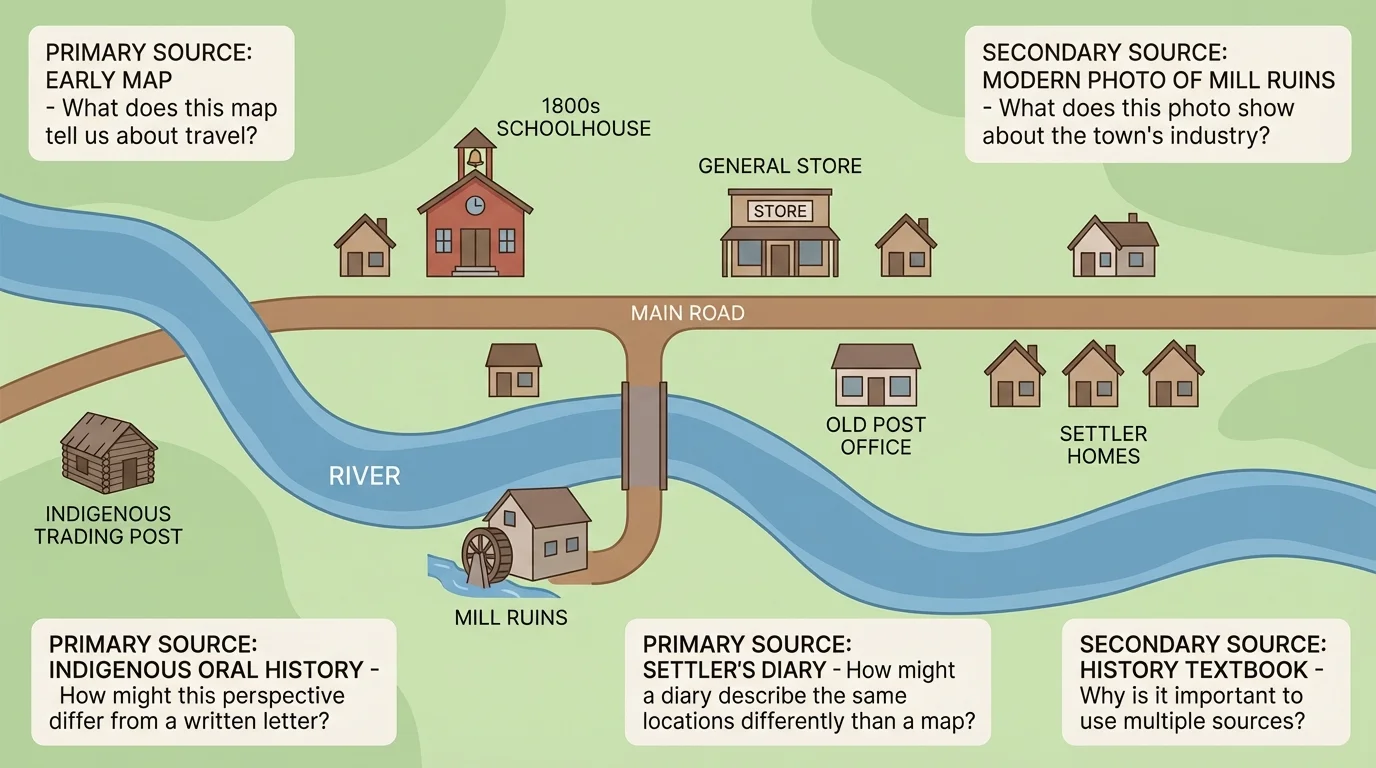
[Figure 2] shows how a historical map can highlight important places. Local history can be found in many forms. Maps and photographs are especially helpful. Other useful sources include letters, diaries, newspapers, signs, tools, clothing, recordings, and buildings.
A map can show roads, rivers, schools, farms, shops, or homes from long ago. It helps us see where people lived and how they moved from place to place. An old map may show a train track that is gone today or a road with a different name.
A photograph can show clothing, transportation, buildings, weather, and even special events. If we look closely, we may notice details such as whether roads were dirt or paved, whether people walked or rode horses, or whether the town had many trees.
A letter can tell us what a person thought, felt, or needed. A child's letter might talk about school lessons. A soldier's letter might describe travel. A family letter might tell about a new house, a celebration, or a hard time.
Newspapers can tell us what events people thought were important. Buildings and objects are sources too. An old school bell, a hand tool, or a brick building can teach us about work, learning, and daily life.
Some communities also learn from spoken stories shared by elders and families. These are often called oral histories. They are important because not everything in history was written down, and many people have passed knowledge from one generation to the next by speaking.
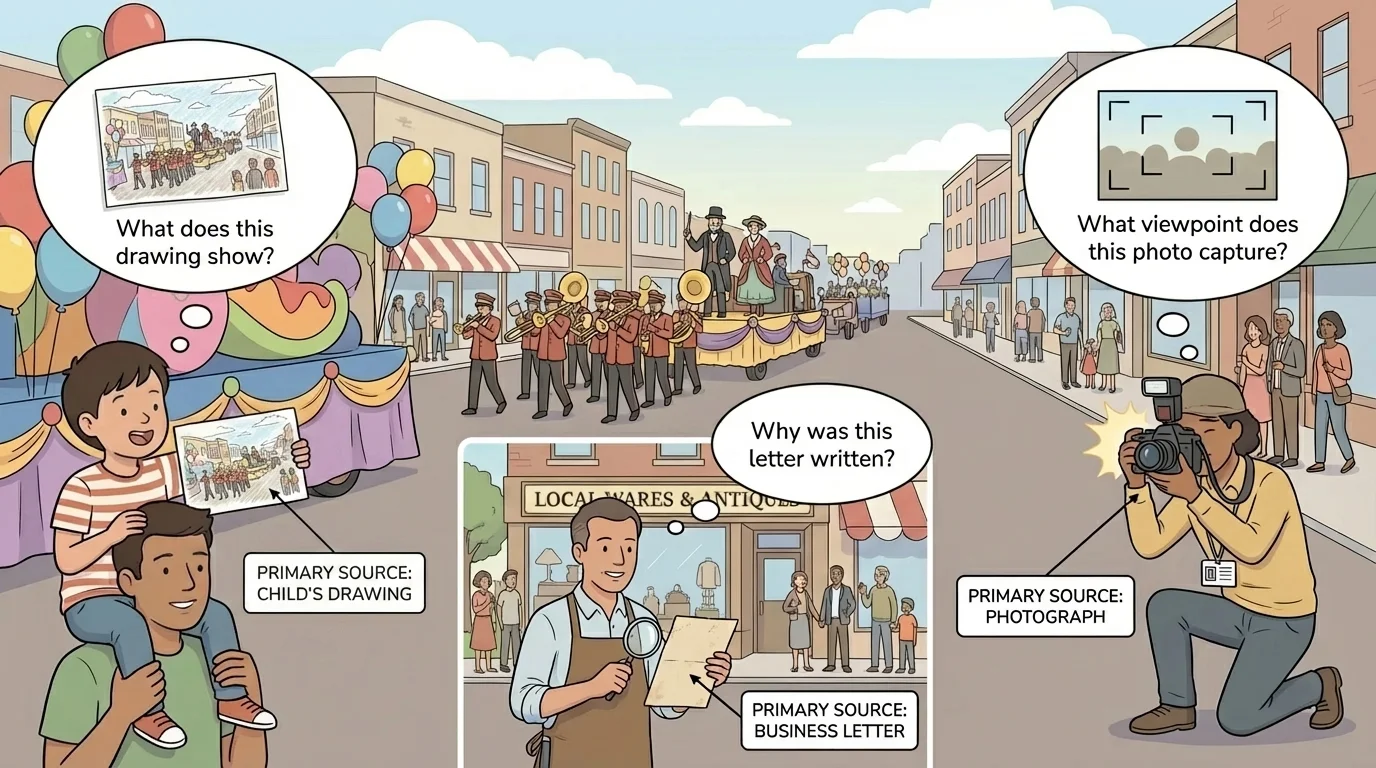
[Figure 3] shows how different people can experience the same event in different ways. One of the most important ideas in history is perspective. Perspective means the way someone sees or understands something.
Think about a parade in town long ago. A child may remember the music and candy. A shop owner may remember many customers. A photographer may focus on the crowd. A newspaper writer may describe the parade as a big community event. All of them are sharing real clues, but each clue has a different point of view.
It is also important to include many kinds of people when studying local history. We should ask what children experienced, what families experienced, what workers experienced, what leaders experienced, and what Native people, newcomers, or long-time residents experienced. If we listen to only one voice, we may miss a big part of the story.
Sometimes a source leaves people out. For example, a town report might talk a lot about builders and leaders but say little about the families who lived nearby. A photograph may show a building but not explain who was allowed inside. Good historians notice who is included and who is missing.
Why perspectives matter
History is stronger when we use many perspectives. A single source gives only part of the picture. When we compare voices and clues from different people, we understand the past more fairly and more fully.
As we saw with the parade in [Figure 3], the same event can feel exciting to one person, busy to another, and unimportant to someone else. That does not mean one source must be wrong. It means we should ask more questions.
Historians do not just look at a source. They ask questions. Good questions help us understand the source's function, its significance, and its perspective.
Function means what the source was for. Why was it made? A map may have been made to help people travel. A letter may have been written to share news. A school photograph may have been taken to remember a class. A newspaper article may have been made to inform readers.
Significance means why the source is important. Does it show a big change in the town? Does it help us learn about daily life? Does it tell us about an important event, place, or person?
Questions about perspective ask whose voice we hear and whose voice we do not hear. We can ask: Who made this? Who was meant to see it? What did the maker want people to think or know?
Questions we can ask about one old photograph
Step 1: Ask about function.
Why was this photograph taken? Was it for a newspaper, a family album, or a school memory?
Step 2: Ask about significance.
Why does this picture matter today? Does it show an old building, a local celebration, or a change in transportation?
Step 3: Ask about perspective.
Who took the picture? What is outside the frame? Whose faces or places are not shown?
We can use the same kinds of questions for maps, letters, oral histories, and objects. These questions help us become careful thinkers instead of jumping to conclusions.
One source is helpful, but more than one source is better. Historians often compare sources to see what matches and what is different. This helps them check their ideas.
Suppose an old map shows a school near a river. A photograph shows children outside a schoolhouse. A letter says the walk to school was muddy after rain. When we put these clues together, we learn more than we would from only one source. We start to picture where the school was, what it looked like, and what going there felt like.
This is also where secondary sources help again. A local history article might explain when the school was built and why it moved later. That article uses many clues to tell a fuller story, just as the comparison in [Figure 1] reminds us that different source types do different jobs.
When sources disagree, historians do not panic. They read carefully and ask why there is a difference. Maybe two people remembered the same event differently. Maybe one source was made earlier. Maybe one source was meant to persuade people instead of simply record facts.
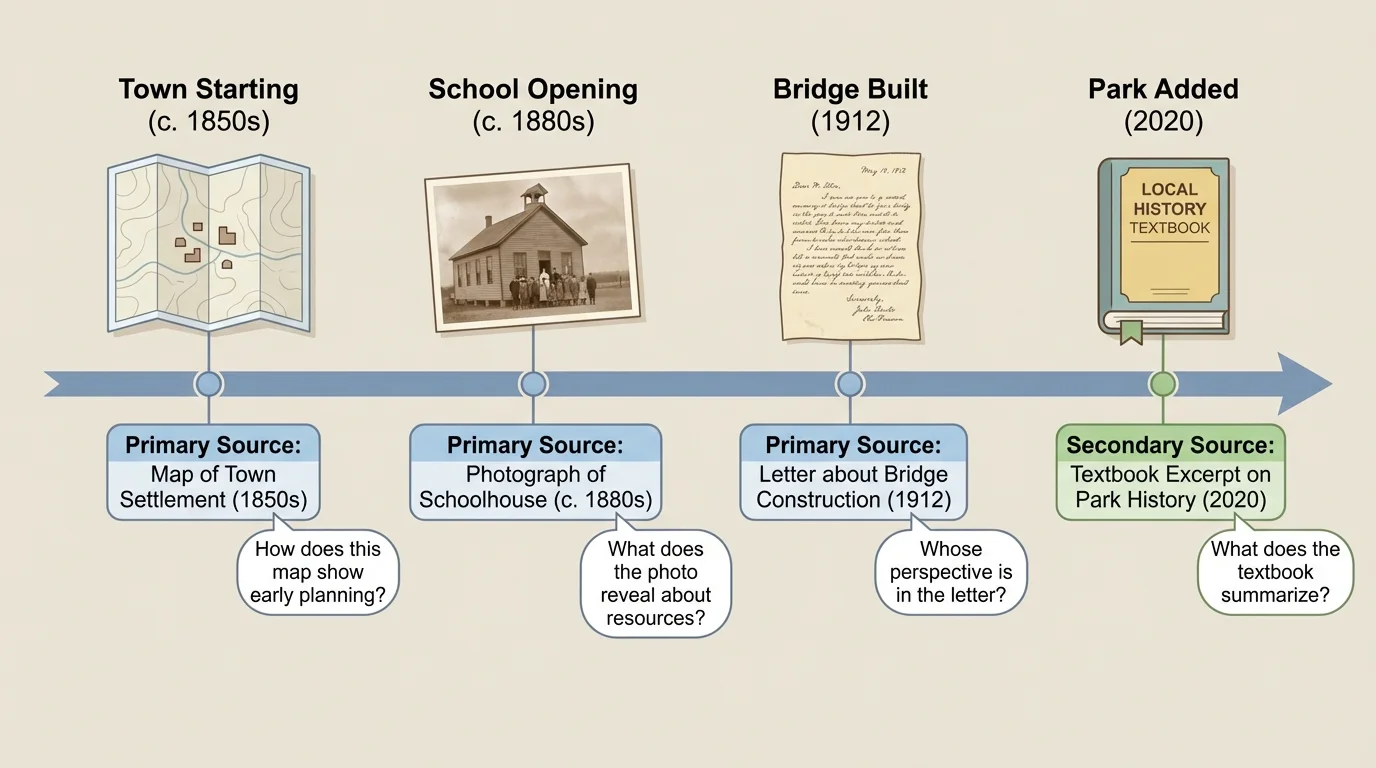
[Figure 4] shows how local events can be arranged to make change easier to see. A timeline helps us put events in order from earlier to later. Historians use timelines to understand what happened first, next, and last.
A local timeline might include when a town began, when a school opened, when a bridge was built, or when a park was added. It may also include harder events, such as a flood, a fire, or a time when families had to move.
Key people in local history are not always famous far away. They may be community leaders, teachers, farmers, builders, artists, firefighters, librarians, tribal elders, or family members who helped shape the place. A mayor may have helped start a park. A teacher may have opened a school. A bridge builder may have changed how people traveled.
| Source | What it can tell us | Questions to ask |
|---|---|---|
| Map | Where places were and how land was used | What places are shown? What is missing? |
| Photograph | What people, buildings, or events looked like | Who is in the picture? Why was it taken? |
| Letter | What one person thought or felt | Who wrote it? Who was meant to read it? |
| Newspaper | What news people shared publicly | What did the writer think was important? |
| Oral history | Memories and stories passed along by speaking | Who is telling the story? When was it recorded? |
Table 1. Examples of local historical sources, the information they provide, and useful questions to ask.
Using a timeline with many sources helps us see patterns. For example, if a bridge was built first and new shops opened later, we may guess that easier travel helped the town grow. The timeline in [Figure 4] helps us notice this kind of change.
Historical sources are special. Some are old and fragile. Some hold family memories. Some belong to a cultural group or community and should be treated with great respect.
We should handle old papers and photographs carefully. We should also listen respectfully to oral histories and family stories. If someone shares a memory, we should pay attention and not laugh or interrupt. Respect matters because history belongs to real people.
People in the past were real people with feelings, families, work, and hopes. When we study their words, pictures, and objects, we are learning about human lives, not just facts on a page.
When we study local history, we become history detectives. We look closely, ask thoughtful questions, compare clues, and listen to many voices. That helps us understand not only what happened, but also why it mattered and how different people experienced it.
