Have you ever felt excited when someone said, "I'll help you," and then they really did? It feels good because their words matched their actions. When you keep a promise or fix a mistake, people learn something important about you: they can count on you.
A promise is when you say you will do something and you mean it. It can be small, like promising to put away your art supplies, or bigger, like promising to feed a pet while someone is busy. A promise is not just words. It is a job you choose to do.
Sometimes children make promises very quickly. You might say yes because you want to be kind, or because you are excited, or because you do not want to disappoint someone. But a promise should be made carefully. If you are not sure you can do it, it is better to say, "Let me check first," than to promise something you cannot do.
Promise means telling someone you will do something and then working to do it. Trust means people believe you will be honest and dependable. Mistake means something went wrong, even if you did not mean to do it.
Your words matter because other people listen to them. Family members, neighbors, coaches, and friends in clubs or online groups make plans based on what you say. When you speak honestly, you show responsibility.
[Figure 1] People need to know if they can believe you. Trust grows when you do what you said you would do. If you promise to log on to a group call to practice a song, and you arrive ready, the group knows they can count on you next time too.
Trust is important at home, in activities, and in your community. If you say you will water a plant, return a borrowed game, or send a kind message to check on a grandparent, people may depend on you. Your choices can make others feel calm and safe.
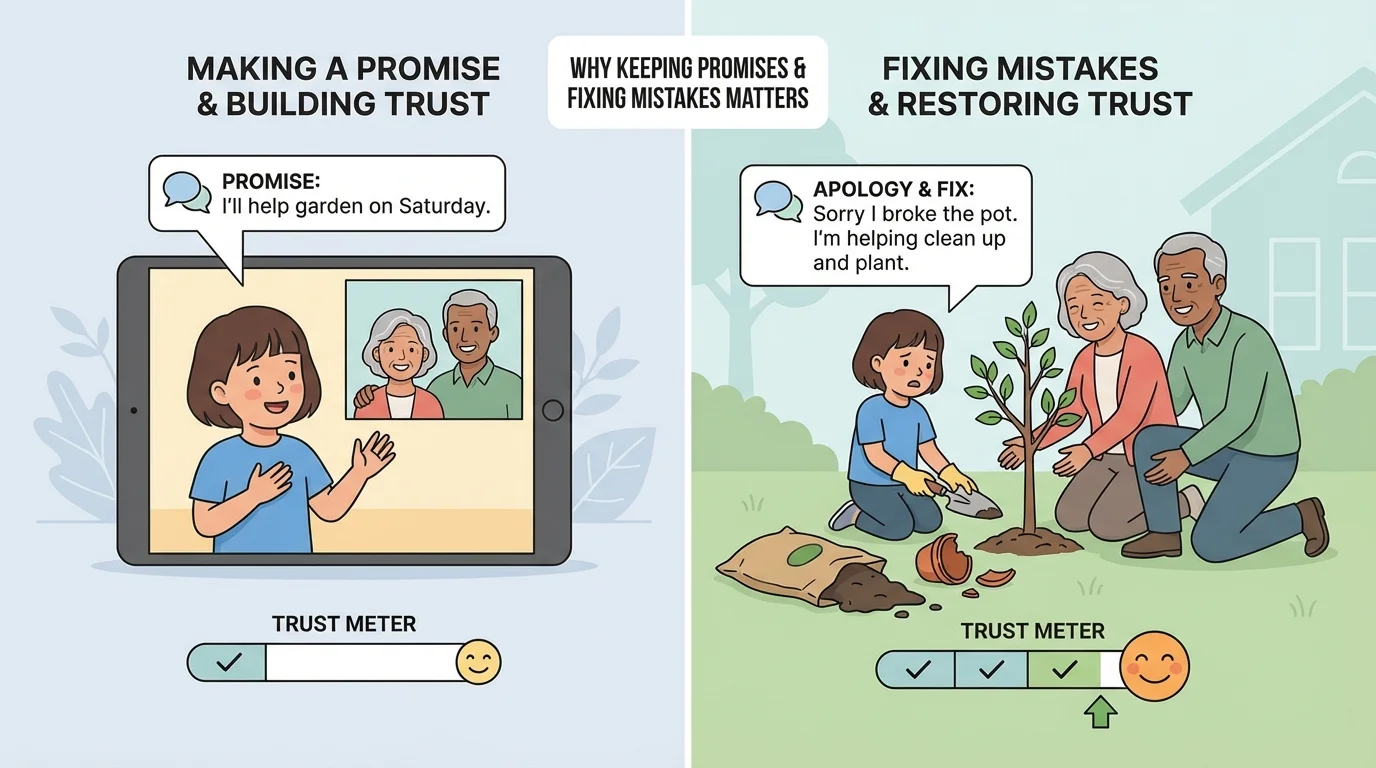
When people trust you, they may give you more chances to help. They may ask you to care for something important, include you on a team, or let you do a job on your own. Trust is like building blocks. One honest action adds a block. Another honest action adds one more.
If someone keeps breaking promises, trust can become shaky. Others may wonder, "Will this really happen?" That does not mean the person is bad. It means their actions have made others unsure. The good news is that trust can grow again when a person starts being honest and dependable.
Many strong friendships are built on small promises, not only big ones. Returning a message, being on time, and putting things back where they belong are all little ways to show you can be trusted.
That is why keeping promises matters so much. It helps people feel respected. It also helps you feel proud because your actions match your words.
Sometimes a promise gets broken on purpose, and sometimes it happens because a person forgot, got distracted, or planned badly. Either way, someone may feel disappointed. For a child, that might look like a brother waiting for help with a puzzle, or a teammate waiting online for you to join a game you said you would play together.
Broken promises can cause problems in more than one way. First, the job may not get done. Second, feelings can get hurt. Third, trust can get smaller. That is why it is important not to shrug and say, "Oh well," when your promise affects someone else.
| Action | What can happen |
|---|---|
| Keep your promise | People feel helped, calm, and trusting |
| Forget your promise | People may feel upset or confused |
| Tell the truth quickly | Problems can be fixed sooner |
| Hide the problem | Trust may be hurt even more |
Table 1. Simple effects of keeping promises, forgetting them, and responding honestly.
Everyone makes mistakes sometimes. What matters next is what you choose to do.
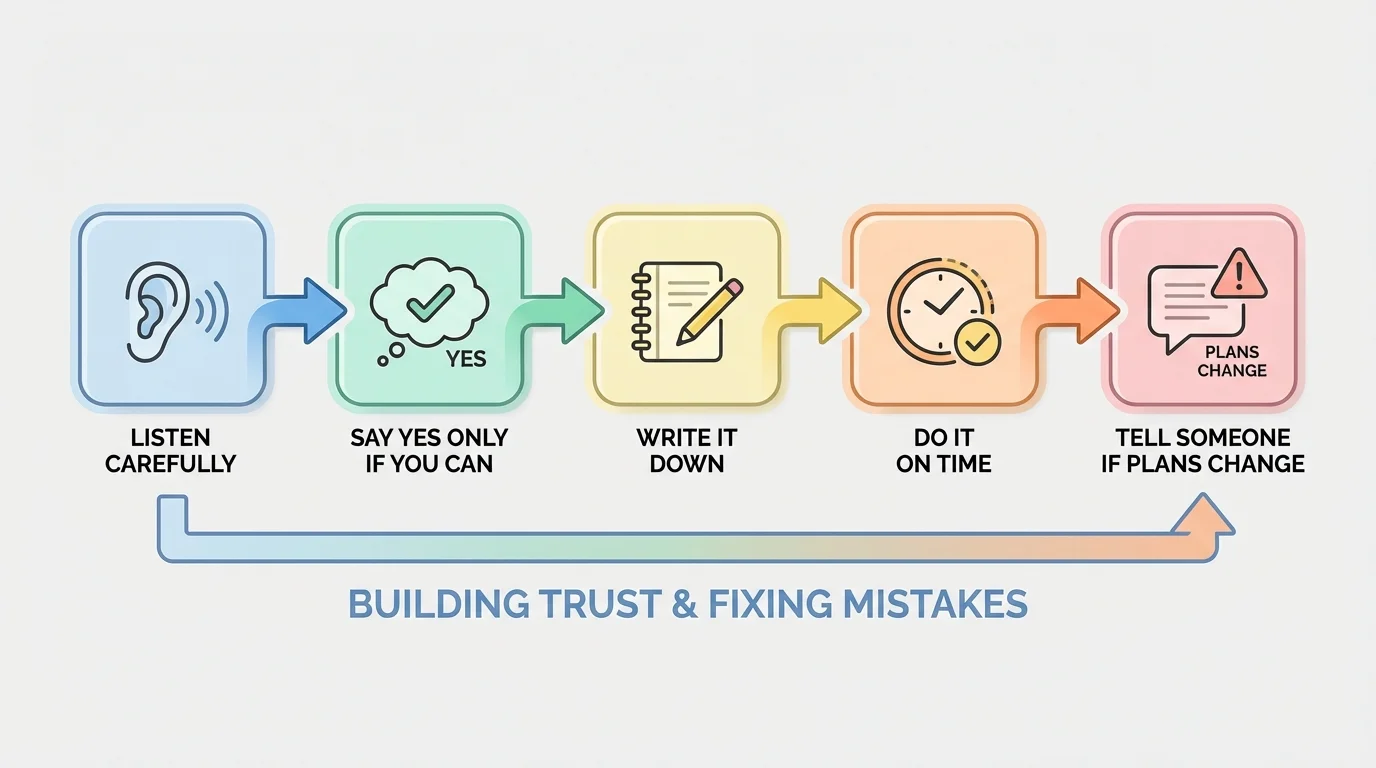
[Figure 2] You do not need magic to keep promises. You need a simple plan. Good promise-keeping starts before you even say yes.
Step 1: Listen carefully. Make sure you know what the person is asking. If your parent says, "Please put the clean towels away before dinner," know exactly what job you are agreeing to do.
Step 2: Think before you promise. Ask yourself, "Can I really do this?" If you will be busy, tired, or unsure, say so kindly. You can say, "I can do it after I finish reading," or "I might need help."
Step 3: Remember the promise. Write it on a note, ask for a reminder, or put it in a simple checklist. This is not cheating. It is being smart and responsible.
Step 4: Do the job when it is time. Start before it becomes a rush. If you promised to pack your sports shoes before practice, do it early.
Step 5: Speak up if plans change. If you get sick or cannot finish, tell the person as soon as you know. That is better than staying quiet and hoping nobody notices.
Example: Keeping a promise at home
You told your dad you would feed the cat at 6:00.
Step 1: You repeat the plan out loud: "I will feed the cat at 6:00."
Step 2: You put a note near the kitchen clock.
Step 3: When the time comes, you stop playing, feed the cat, and then go back to your game.
The cat is fed, your dad does not need to remind you, and trust grows.
This same plan works in many places. It helps with chores, borrowed items, phone calls, club meetings, and family plans. Later, when you need someone to trust you with something important, the habits you build now will help, just as we saw with trust growing in [Figure 1].
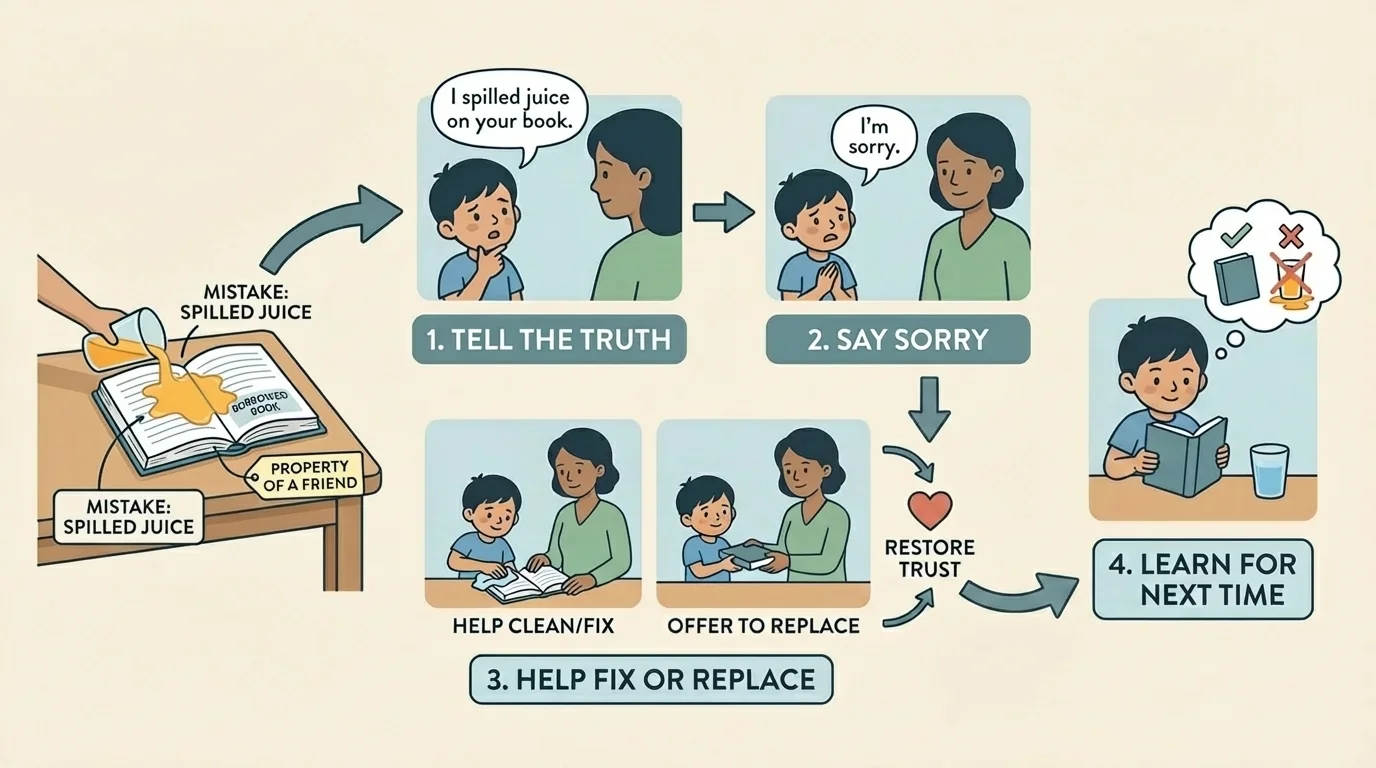
[Figure 3] Fixing a mistake is not just saying "sorry." It means being honest, trying to repair the problem, and learning what to do differently next time. That repair process helps trust begin to heal.
Here is a strong way to fix a mistake. First, tell the truth. Second, say you are sorry. Third, ask how to help. Fourth, do your part to repair the problem. Fifth, make a new plan so it does not happen again.
For example, if you borrowed a library book from a community center and spilled water on it, do not hide it under your bed. Tell an adult right away. Say, "I spilled water on the book. I am sorry. How can I help fix this?" That honesty shows character.
Why repairing matters
When you try to repair a problem, you show that other people's feelings and belongings matter. A quick apology with no action can feel empty, but an apology plus helpful action shows care.
Sometimes you cannot fully fix what happened. A broken favorite toy or a missed special call cannot always be made exactly the same again. But you can still be honest, kind, and helpful. That matters a lot.
You may also need to forgive yourself after a mistake. That does not mean pretending nothing happened at all. It means learning, improving, and trying again. Responsible people are not perfect people. They are people who tell the truth and keep growing.
Let's look at some times when this matters in real life.
Situation 1: You promise your grandmother you will video call her on Saturday. If you forget and play outside instead, she may feel sad. The fix is to tell the truth, apologize, and make a new time right away.
Situation 2: You borrow your cousin's markers and lose one. The right choice is not to blame someone else. Tell what happened, say sorry, and help replace the missing marker if you can.
Situation 3: You tell your soccer coach you will bring your water bottle and shin guards. If you keep that promise, practice goes smoothly. If you forget, you can admit it and make a packing checklist for next time. That follows the same steps from [Figure 2].
Situation 4: You promised to help a younger sibling clean up blocks. Instead, you left and started watching videos. Your sibling is left with a mess and may feel alone. You can come back, say sorry, and finish the job together.
Example: Fixing a mistake with honesty
You accidentally tear a page in a borrowed coloring book.
Step 1: Tell the owner the truth as soon as you notice it.
Step 2: Say, "I am sorry I tore the page."
Step 3: Ask, "How can I help?"
Step 4: Tape the page carefully or help replace the book if needed.
Step 5: Next time, turn the pages slowly and use both hands.
This does not erase the mistake, but it shows honesty and care.
These actions are part of good character. Character is the kind of person you are becoming, shown by your choices over and over again.
Every time you keep a promise, tell the truth, or fix a mistake, you are practicing being someone others can depend on. That matters now, and it will matter when you are older too. Friends, teammates, neighbors, and family members all need dependable people in their lives.
Being responsible does not mean you will never mess up. It means you notice when something goes wrong and you take action. You do not hide. You do not blame. You do your best to make things right.
"Your actions tell people if your words are true."
You can start with small habits today: make fewer promises, keep the ones you make, and fix problems quickly. Small habits grow into strong character. Strong character helps build a kinder home, a more helpful community, and a better future.
Try This: Before you say yes to something today, pause and think, "Can I really do this?" If the answer is yes, make a plan. If the answer is no, be honest. That one pause can help you keep your word.
Try This: If you make a mistake this week, practice the repair steps from [Figure 3]: tell the truth, say sorry, help fix it, and learn for next time.
