Have you ever seen a big building with a flag flying in front and wondered, "What happens there?" Some buildings are more than just places made of brick and stone. They are places where leaders meet, rules are made, and people are helped. These special places are called civic places, and they are important because they connect people to their government and community.
A civic place is a place in a country, state, or town that helps people live and work together. Civic places are important because they are used for government, safety, learning, or helping the community. People may go to these places to vote, get help, learn, or meet leaders.
Some civic places are famous across the whole country. Others are right in your neighborhood. Even if they are different sizes, they all matter because they serve people and support the common good.
Government is the group of people who make rules, lead, and help a country, state, or community work well. Citizen means a person who belongs to a country and is part of its community.
When we learn about civic places, we learn how people work together. We also learn that our government is not just one person. Many people in many places help make decisions and solve problems.
[Figure 1] The Capitol in Washington, D.C., is one of the most important civic places in the United States. This is where national leaders meet to talk, make laws, and decide how to help the country. Laws are rules for everyone in the nation.
The Capitol is a large building with a famous dome. Senators and representatives work there. They listen, talk, and vote on laws. These laws can help schools, roads, parks, and many other parts of life.
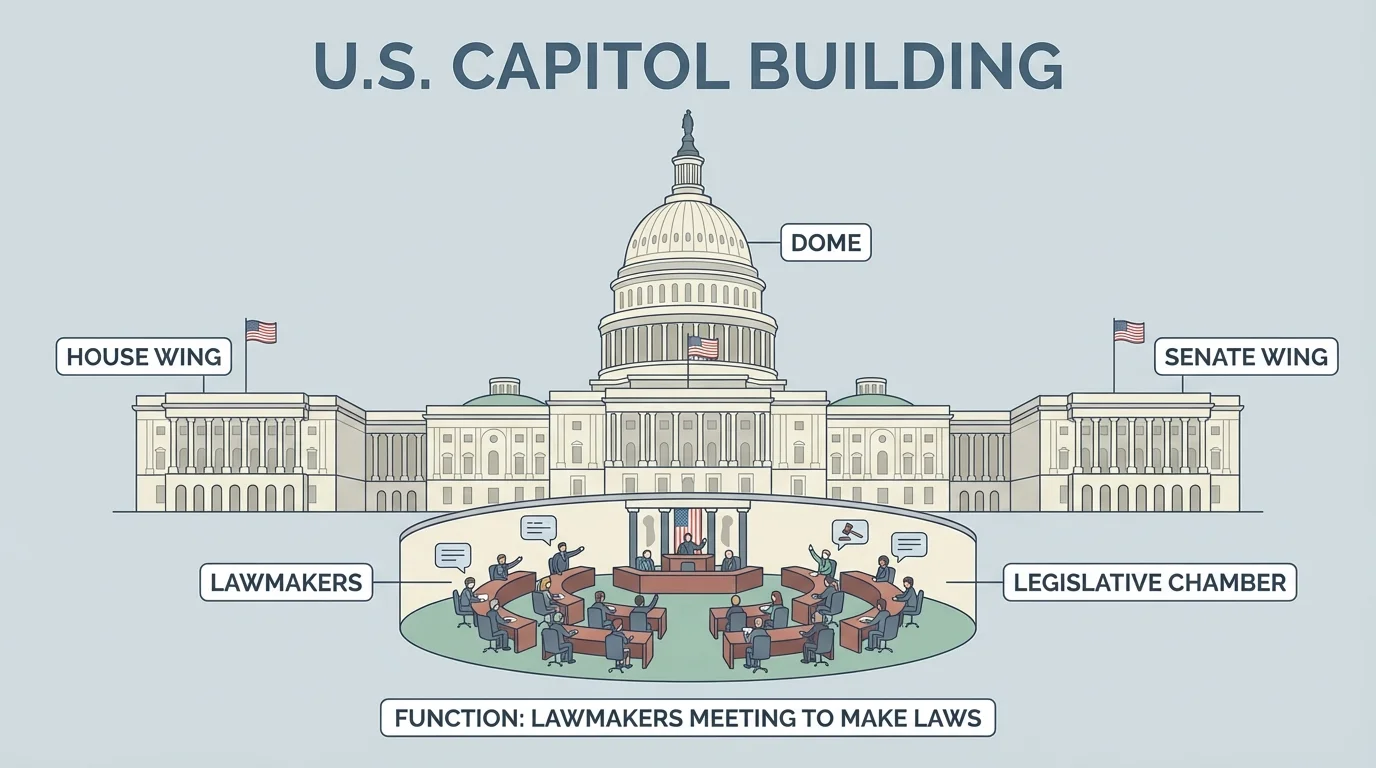
The Capitol is important because it represents the idea that people should have a voice in government. Citizens choose leaders, and those leaders meet at the Capitol to do their jobs. That makes the Capitol a symbol of democracy and shared decision-making.
The Capitol is called the national Capitol because it is the main meeting place of the national legislature. Many people recognize it by its tall white dome.
Later, when people talk about making national laws, the Capitol helps us remember where that work happens. It is not just a famous building. It is a working place where important decisions are made.
[Figure 2] The White House is another important civic place. It is where the President of the United States lives and works. The President is a leader who helps carry out laws and guide the country.
The White House is in Washington, D.C., too. It is known for its white walls and special history. The President meets with advisers and other leaders there. Important talks and decisions happen inside this building.
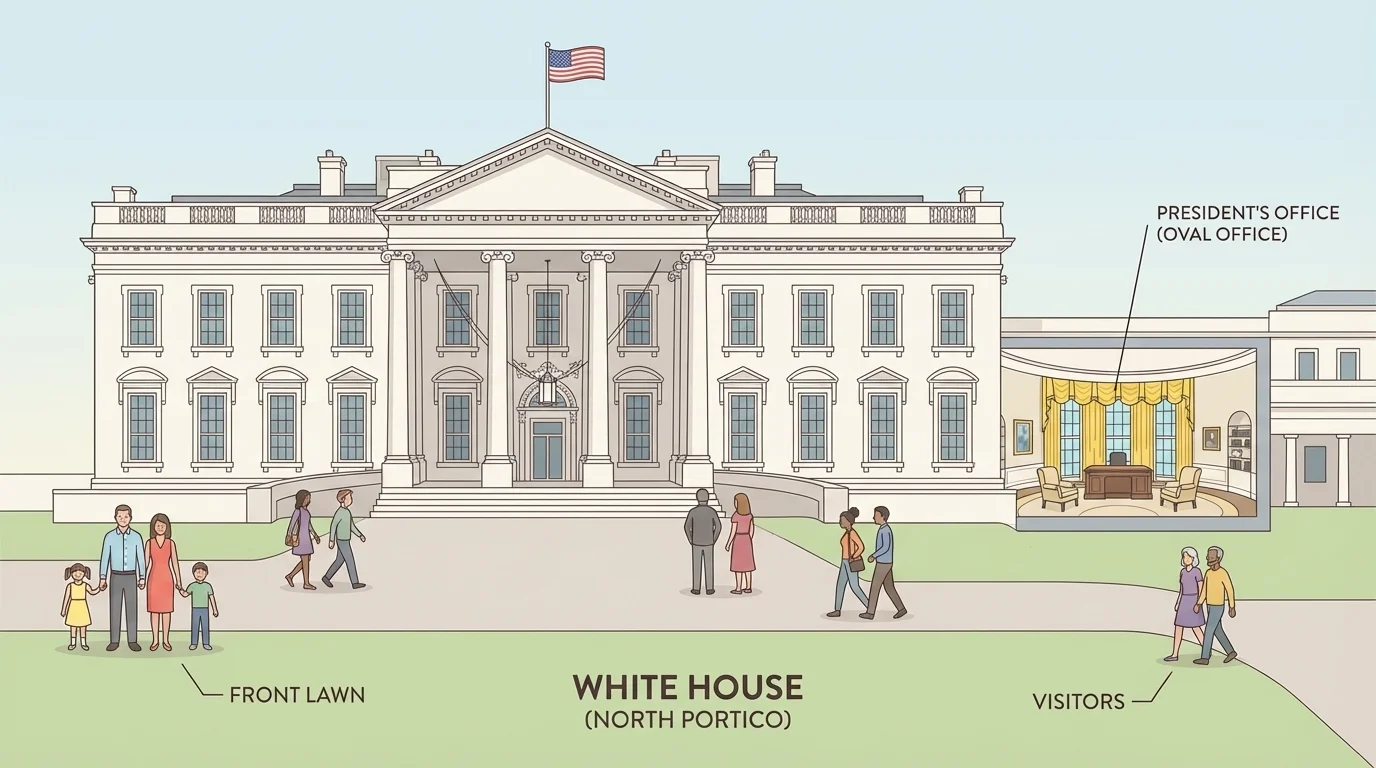
The White House matters because it shows leadership and responsibility. The President works there to help the country, respond to problems, and represent the United States. It is both a home and a workplace, which makes it special.
When we think about national leadership, we can remember the White House. It reminds us that government leaders have important jobs and need places where they can work for the people.
Each state has its own state capitol. A state capitol is the main government building for a state. Just as the national Capitol is important for the whole country, the state capitol is important for one state.
At the state capitol, state leaders meet to make decisions and laws for their state. These decisions can affect schools, roads, and safety in the state. The governor may work nearby or in the capitol area, depending on the state.
A state capitol is important because every state has its own needs. Leaders there help solve problems close to home. If a child lives in Florida, Texas, Ohio, or any other state, that child has a state capitol where the state government carries out its work.
Example of national and state places
Step 1: Think about the whole country.
The national Capitol helps make laws for the United States.
Step 2: Think about one state.
The state capitol helps make laws and decisions for that state.
Step 3: Compare them.
Both places are important because leaders meet there to help people.
Even though state capitols look different from one another, they all have the same big purpose: helping state government do its work.
[Figure 3] Not all important civic places are far away. Many are close to home. These places help people every day and make neighborhoods stronger.
A community is a group of people who live, learn, and work in the same place. Communities have civic places that serve everyone. These places may include city hall, a library, a post office, a courthouse, a fire station, a police station, and public schools.
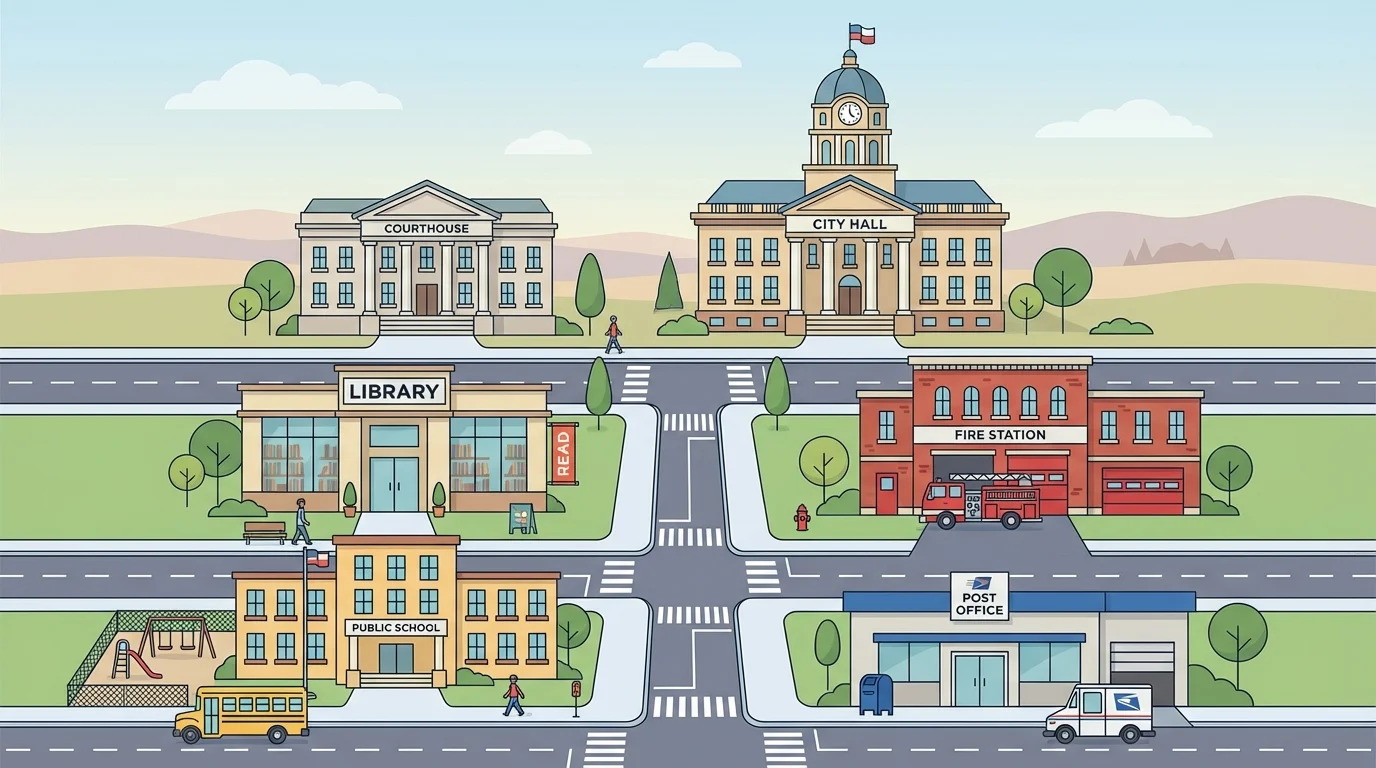
City hall is where town or city leaders work. They help make local decisions. The library is a place where people can read, learn, and borrow books. The post office helps send and receive mail. The courthouse is where judges and lawyers work to solve legal problems fairly.
The fire station and police station help keep people safe. Public schools are also important civic places because they help children learn and grow into informed citizens. These places remind us that civic life happens not only in famous buildings, but also in everyday places around us.
| Place | Why It Is Important |
|---|---|
| National Capitol | Leaders make laws for the country |
| White House | The President lives and works there |
| State Capitol | State leaders make decisions for the state |
| City Hall | Local leaders help the town or city |
| Library | People read, learn, and use information |
| Fire Station | Firefighters help keep people safe |
Table 1. Important civic places and the jobs they do.
Civic places matter because they help people live together peacefully and fairly. Some places are where laws are made. Some are where leaders work. Some help with safety, learning, or community services. All of them support the idea that government should help its citizens.
These places also show important values. They show responsibility because leaders must do their jobs. They show fairness because rules should help everyone. They show service because many people work in these places to help others.
How civic places connect people and government
Civic places are where ideas turn into action. A problem in a town can be discussed at city hall. A state need can be addressed at the state capitol. A national issue can be worked on at the Capitol or the White House. These places help citizens and leaders stay connected.
When citizens visit, learn about, or respect civic places, they are taking part in civic life. Even children can begin to understand that these places belong to the people and are meant to serve the public.
We can show respect at civic places by listening carefully, following rules, using kind words, and taking care of public spaces. If we visit a library, we use quiet voices. If we visit a memorial or a Capitol building, we walk calmly and pay attention.
Respect also means understanding why these places are important. A school is not just a building. A fire station is not just a garage. A capitol is not just a big building with a dome. Each place has a job that helps people.
People live in families, neighborhoods, and communities. Civic places help all of these groups work together and stay safe, informed, and organized.
As children grow, they may visit more civic places, learn more about leaders, and take part in community life. Knowing about these places is one way to become a thoughtful and helpful citizen.
