Have you ever worked hard on something, made a mistake, and wanted to give up right away? This happens more often than most people realize. Being successful is not about never having problems. It is about what you do after a problem happens. When you keep going and recover from setbacks, you build a powerful life skill called resilience.
Resilience helps you handle stress, frustration, and disappointment without getting stuck. You do not need to be fearless or perfect to be resilient. You just need to learn how to pause, recover, and keep moving forward. That is good news, because these are skills you can practice in everyday life while doing online school, learning a sport, helping at home, making art, or dealing with friendship problems.
A setback is a problem, mistake, delay, or disappointment that makes progress harder. You might forget to turn in an online assignment, lose a game, get a low score on a quiz, argue with a friend in a group chat, or struggle to learn a new song on an instrument. These moments can feel big, especially when you care a lot.
Setbacks happen to everyone because learning and growing are not straight lines. When you try new things, your brain and body are still figuring them out. That means mistakes are normal. What matters most is not pretending the setback did not hurt. What matters is noticing your feelings, calming your body, and deciding what to do next.
Perseverance means continuing to work toward a goal even when it is difficult.
Setback means a problem or disappointment that slows you down.
Resilience means the ability to recover, adapt, and keep going after something hard happens.
If someone gives up every time something goes wrong, small problems can grow into big ones. For example, if you miss one online class meeting and feel embarrassed, you might avoid the next one too. Soon you are confused, worried, and farther behind. But if you recover quickly, you can message your teacher, check the recording, and get back on track before the problem grows.
Perseverance is not the same as doing something perfectly or forcing yourself to work nonstop. It is steady effort. It looks like trying again, using a different strategy, practicing in small pieces, and not quitting just because something feels frustrating.
Sometimes people think perseverance means "never take a break." That is not true. Smart perseverance includes breaks, rest, and asking for help. If you are learning long division, coding, skateboarding, or drawing faces, your progress may be slow at first. A resilient person says, "This is hard right now, but I can keep learning."
Perseverance often grows from small choices. You finish one problem instead of quitting the whole assignment. You practice a tough piano measure three more times. You re-record a presentation after making a mistake. These small actions may not seem dramatic, but they train your mind to stay with challenges instead of running from them.
Your brain changes when you practice difficult things. Each time you stick with a challenge and try again, you strengthen pathways that help learning become easier over time.
This is one reason perseverance matters so much. It is not just about getting through one hard moment. It is about teaching yourself, "I can handle hard things step by step."
Setbacks can bring strong feelings: anger, sadness, embarrassment, worry, or disappointment. Those feelings are real, and they deserve attention. Recovery begins when you notice what you feel instead of letting your feelings take control of everything.
Emotional regulation means managing your feelings in a healthy way so you can make good choices. It does not mean pretending you are fine when you are upset. It means slowing down enough to respond wisely. You might take slow breaths, get a drink of water, stretch, count to ten, or sit quietly for a minute before deciding what to do.
Think about what happens when you do not recover well. Maybe you slam your tablet shut, say "I am terrible at this," and refuse to continue. In that moment, the setback controls you. But if you pause and calm down, you create space for better choices. Then you can ask, "What went wrong?" and "What is one thing I can do next?"
Recovery is not weakness
Some people think that needing time to calm down means they are not strong. Actually, recovery is part of strength. When you take a moment to settle your feelings, you are making it easier for your brain to think clearly, solve problems, and try again.
Recovery can be quick or slow depending on the situation. If you lose a round in a game, you may recover in a minute. If a friendship problem happens online, you may need more time. The goal is not to rush your feelings. The goal is to move from upset to action.
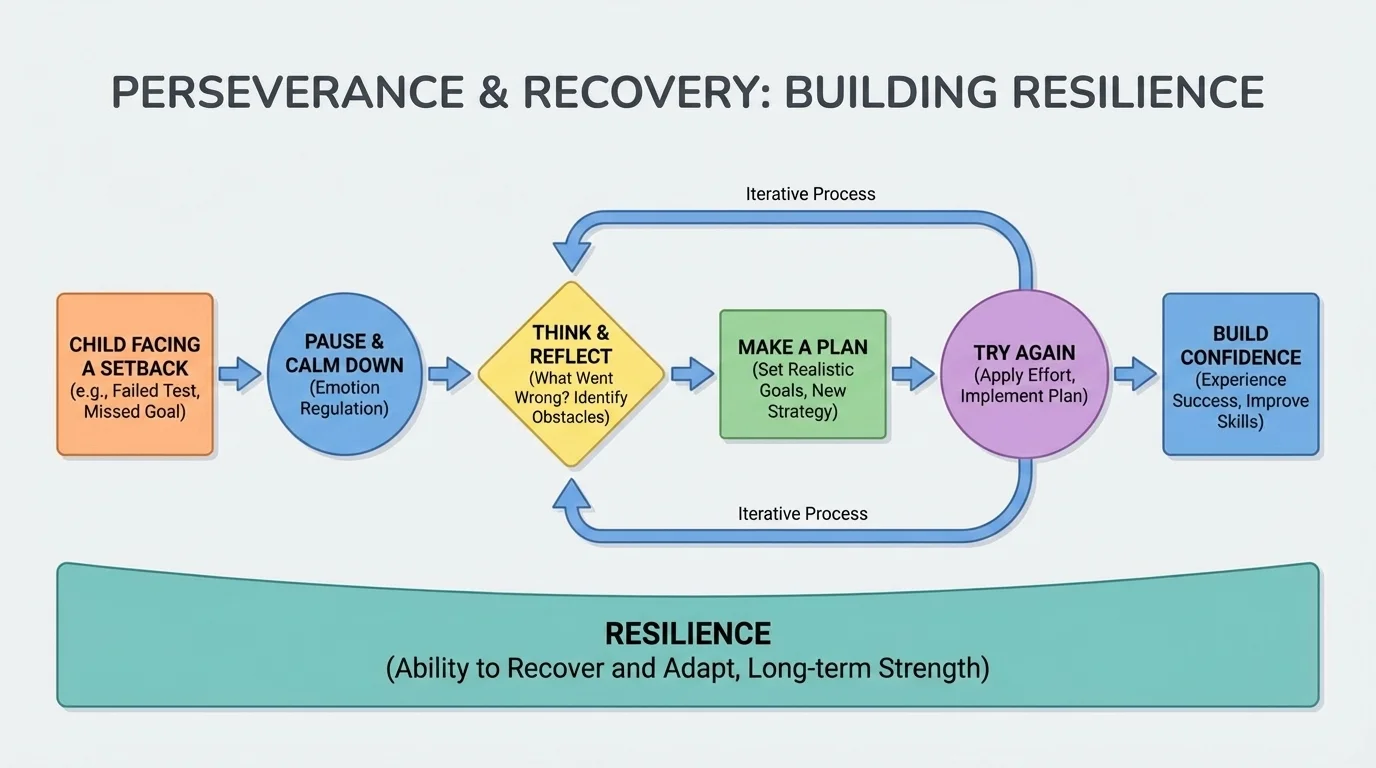
[Figure 1] shows the resilience cycle and explains how resilience grows over time. First, something hard happens. Next, you feel upset or discouraged. Then you calm down, figure out what happened, make a plan, and try again. Each time you go through this cycle, you become more prepared for future challenges.
This matters because resilience is not a magic trait that some people are born with and others are not. It is built through experience. Every setback gives you a chance to practice recovering. Every recovery gives you a chance to learn. Every time you learn and try again, your confidence becomes more realistic and stronger.
Picture a student who is making a slideshow for an online class and accidentally deletes part of it. At first, they panic. Then they stop, breathe, and check whether the file can be restored. If not, they rebuild one slide at a time and save more often. The deleted work was frustrating, but the student learned a useful habit and handled the problem.
That is how resilience works in real life. The goal is not "nothing bad ever happens." The goal is "I know what to do when something bad happens." Later, when a different challenge appears, the student remembers the cycle and feels more ready to cope.
Resilience shows up in many parts of life, not just schoolwork. During online learning, perseverance might mean reopening a hard assignment after a break instead of avoiding it all day. During sports practice, it might mean repeating a skill even after several misses. In friendships, it might mean apologizing, listening, and repairing trust after saying something hurtful in a message or call.
At home, resilience can help when chores feel annoying, when a recipe does not turn out right, or when your room gets messy again even after you cleaned it yesterday. In hobbies, it matters when your drawing looks different from what you imagined or when your video-editing project has technical problems. These moments are not proof that you cannot do it. They are practice for coping and adapting.
| Situation | Setback | Persevering response | Resilient recovery |
|---|---|---|---|
| Online assignment | Low score | Review mistakes and redo part | Ask for help and make a study plan |
| Sports or exercise | Skill feels too hard | Practice small parts | Rest, reset, and try again later |
| Friendship | Argument in a chat | Stay respectful | Apologize and talk it through calmly |
| Music or art | Mistakes during practice | Repeat difficult sections | Take a breath and focus on one improvement |
| Home responsibility | Forgetting a chore | Do it as soon as remembered | Set a reminder for next time |
Table 1. Examples of how perseverance and recovery work together in everyday situations.
Notice that perseverance and recovery are partners. Perseverance helps you continue. Recovery helps you restart wisely after a setback. You usually need both.
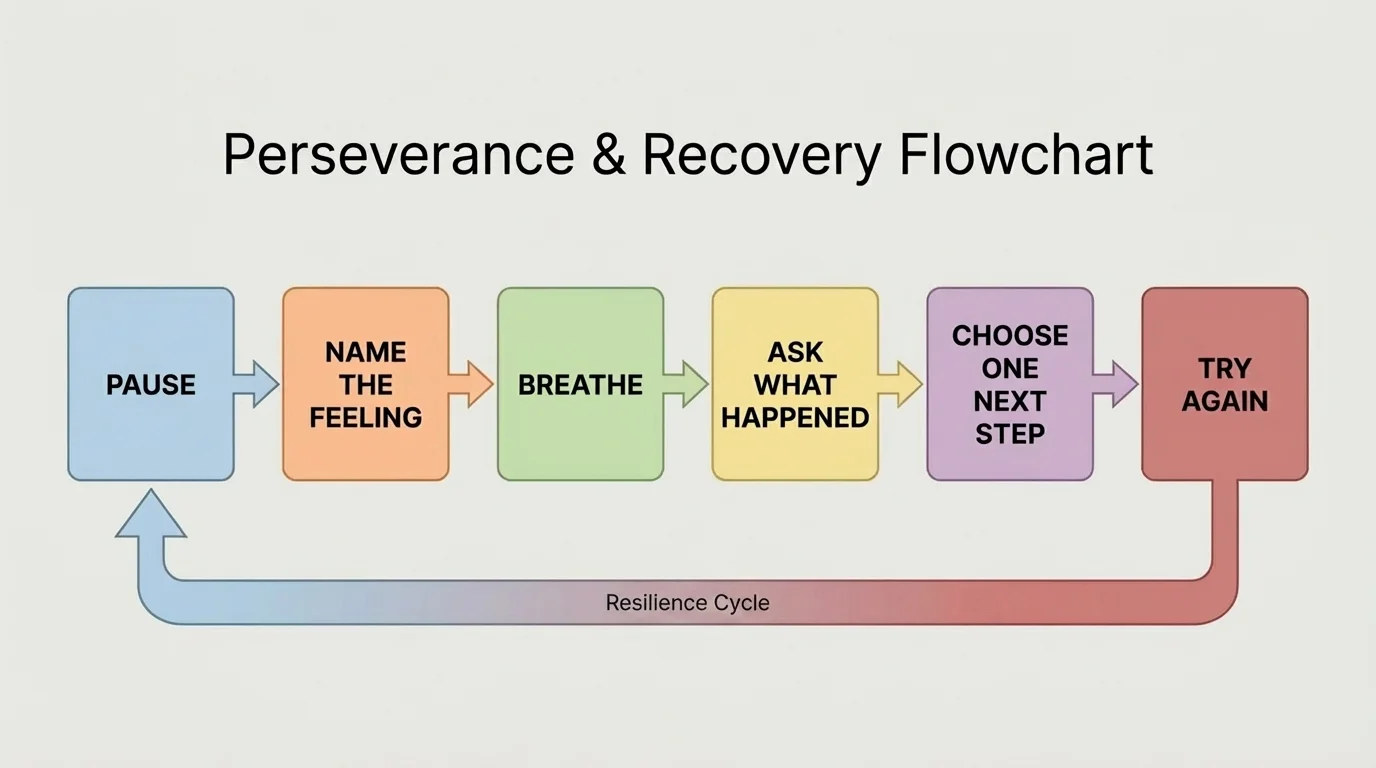
[Figure 2] shows a simple recovery plan that can help when a problem happens. These steps can help with schoolwork, sports, chores, or social problems.
Step 1: Pause. Stop for a moment before reacting. This keeps the problem from getting bigger.
Step 2: Name the feeling. Say, "I feel frustrated," "I feel embarrassed," or "I feel disappointed." Naming a feeling can make it easier to manage.
Step 3: Calm your body. Try five slow breaths, a short walk, stretching, or getting a drink of water.
Step 4: Ask what happened. Was it lack of practice, rushing, distraction, misunderstanding directions, or something else?
Step 5: Choose one next step. Do one small helpful action instead of trying to fix everything at once.
Step 6: Try again. Use what you learned and give yourself another chance.
Example: Bouncing back after a hard quiz
You studied, but your quiz score was lower than you hoped. Here is how resilience can work.
Step 1: Pause instead of saying, "I will never get this."
Step 2: Name the feeling: disappointed and worried.
Step 3: Calm down with slow breaths and a short break.
Step 4: Look at what went wrong. Maybe you understood the topic but rushed and misread questions.
Step 5: Pick one next step: review missed questions and practice reading carefully.
Step 6: Try again on the next assignment with a better plan.
The setback still feels disappointing, but now it becomes useful information instead of the end of the story.
This plan works best when you keep it simple. After a setback, your brain may feel crowded with thoughts. One small next step is often more powerful than a giant perfect plan. That process makes an important idea clear: calm first, then act.
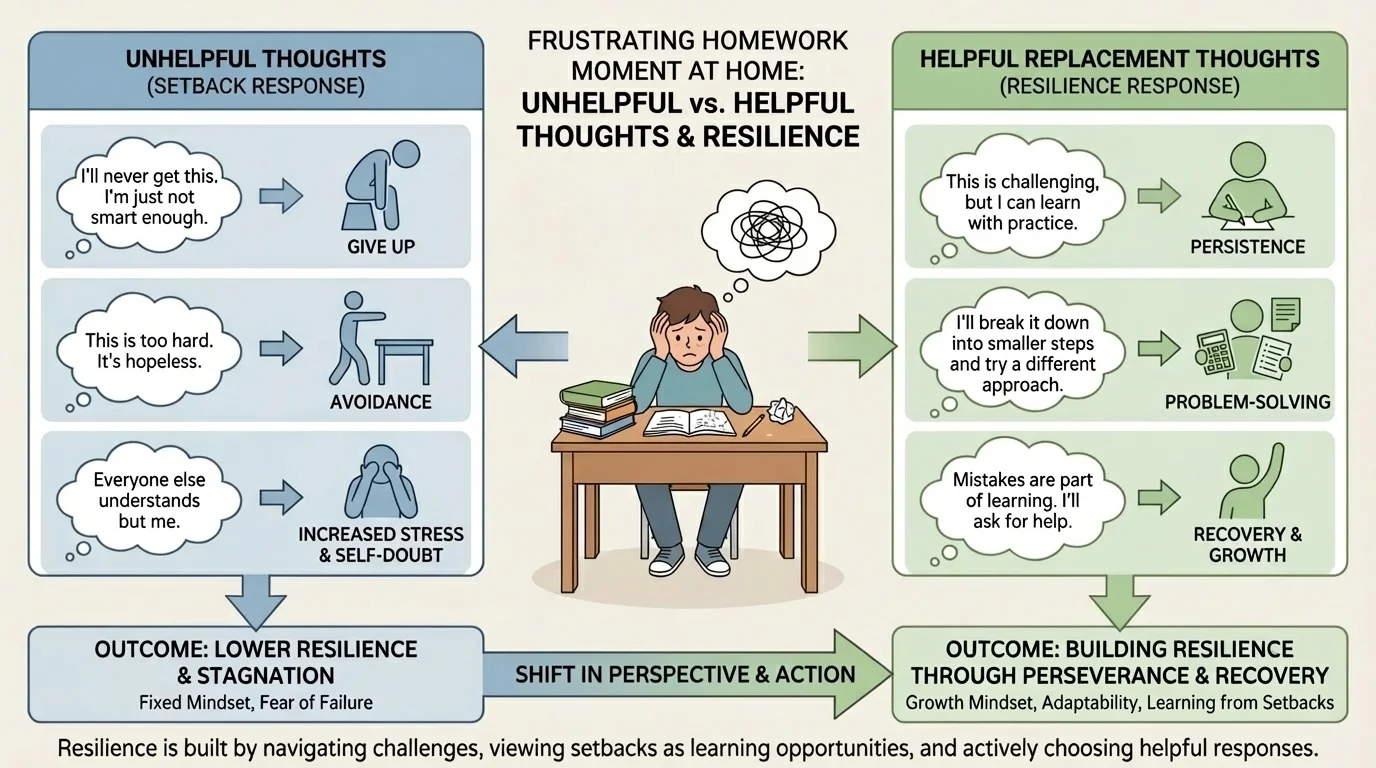
[Figure 3] The words you say to yourself matter. Your inner self-talk can either make recovery harder or help you recover. Unhelpful self-talk sounds like, "I always fail," "I am just bad at this," or "There is no point." Helpful self-talk sounds like, "This is hard, but I can improve," "I made a mistake, not a final decision about who I am," and "I can take one step now."
Helpful and unhelpful self-talk can be compared clearly. Helpful self-talk is not fake positivity. It does not ignore problems. It tells the truth in a stronger way. For example, instead of "This is easy," you might say, "This is difficult, and I can keep practicing." That kind of language supports effort and recovery.
Support from other people matters too. Resilient people are not people who do everything alone. They know when to ask for help. You might message a teacher, talk to a parent or guardian, ask a coach for a tip, or tell a trusted adult that you feel overwhelmed. Asking for help is a strategy, not a failure.
"You do not have to control your thoughts. You just have to stop letting them control you."
— Dan Millman
If a friend is upset after a setback, you can support their resilience too. Try saying, "Want help thinking about the next step?" or "That was tough, but you are still learning." Encouragement is most useful when it is calm, honest, and specific.
Resilience grows faster when you have strong daily habits. Sleep helps your brain manage emotions and solve problems. Routines reduce stress because you know what comes next. Breaks protect you from getting so overwhelmed that you shut down. Practice builds skill, and noticing small progress helps you stay motivated.
You can build resilience with simple habits like these:
These habits may seem ordinary, but they make a real difference. A tired, rushed, disorganized person usually has a harder time recovering from setbacks. A rested, prepared person can respond more calmly and clearly.
You have probably already used resilience before, even if you did not call it that. Any time you fell, got back up, fixed a mistake, learned from feedback, or tried again after failing, you practiced this skill.
That is important because resilience is not something far away. It is already growing each time you use healthy habits, steady effort, and calm recovery.
Some setbacks are small and easy to handle. Others feel much bigger. If you feel stuck for a long time, keep having intense anger or sadness, or start thinking "nothing will ever get better," it is important to talk to a trusted adult. You deserve support for big problems.
You should also ask for help if a problem involves bullying, unsafe online behavior, repeated panic, or major stress at home. Resilience does not mean carrying everything by yourself. Sometimes the most resilient choice is reaching out.
Try This: a quick resilience routine
Step 1: Think of one recent setback, even a small one.
Step 2: Name the feeling you had.
Step 3: Say one helpful self-talk sentence.
Step 4: Choose one thing you would do next time.
This simple routine helps turn hard moments into learning moments.
As you keep growing, remember this: setbacks are part of life, but they do not get the final say. Perseverance helps you continue, and recovery helps you restart. Together, they build resilience that can help you in school, friendships, hobbies, and future challenges.
