Have you ever seen a video that claimed something wild, like some food can cure every illness, a game item is free only for the next five minutes, or everyone is suddenly buying the same product? Online, messages can be made to grab your attention fast. Some are true. Some are only trying to sell you something. Some are misleading. If you do not slow down and think, those messages can push your decisions without you even noticing.
Every day, you make choices: what to watch, what to believe, what to click, what to buy, what to share, and who to trust. That is why media literacy matters. It means knowing how to look closely at messages from videos, websites, ads, games, social media, and group chats so you can make smart choices instead of being tricked.
Online messages do more than give information. They can change your feelings and actions. A dramatic headline might make you worried. A polished ad might make you want something you do not need. A popular creator might make an idea seem true just because many people liked it. When that happens, your decision may be based on pressure, emotion, or false information instead of careful thinking.
Good decisions usually happen when you have enough time, enough facts, and a calm mind. Poor decisions often happen when someone rushes you, scares you, flatters you, or makes you think, "Everyone else is doing this, so I should too." Learning to notice those pushes helps you protect your time, money, privacy, and safety.
Misinformation is false or misleading information that people share, whether they mean to trick others or not.
Advertising is messaging designed to persuade people to want, buy, click, or support something.
Influence is the power to affect what someone thinks, feels, or does.
These three ideas often connect. A post can look like helpful advice but really be an ad. An ad can include misleading claims. An influencer can repeat information that sounds convincing but is not checked. That is why one smart habit helps with all three: pause before you trust.
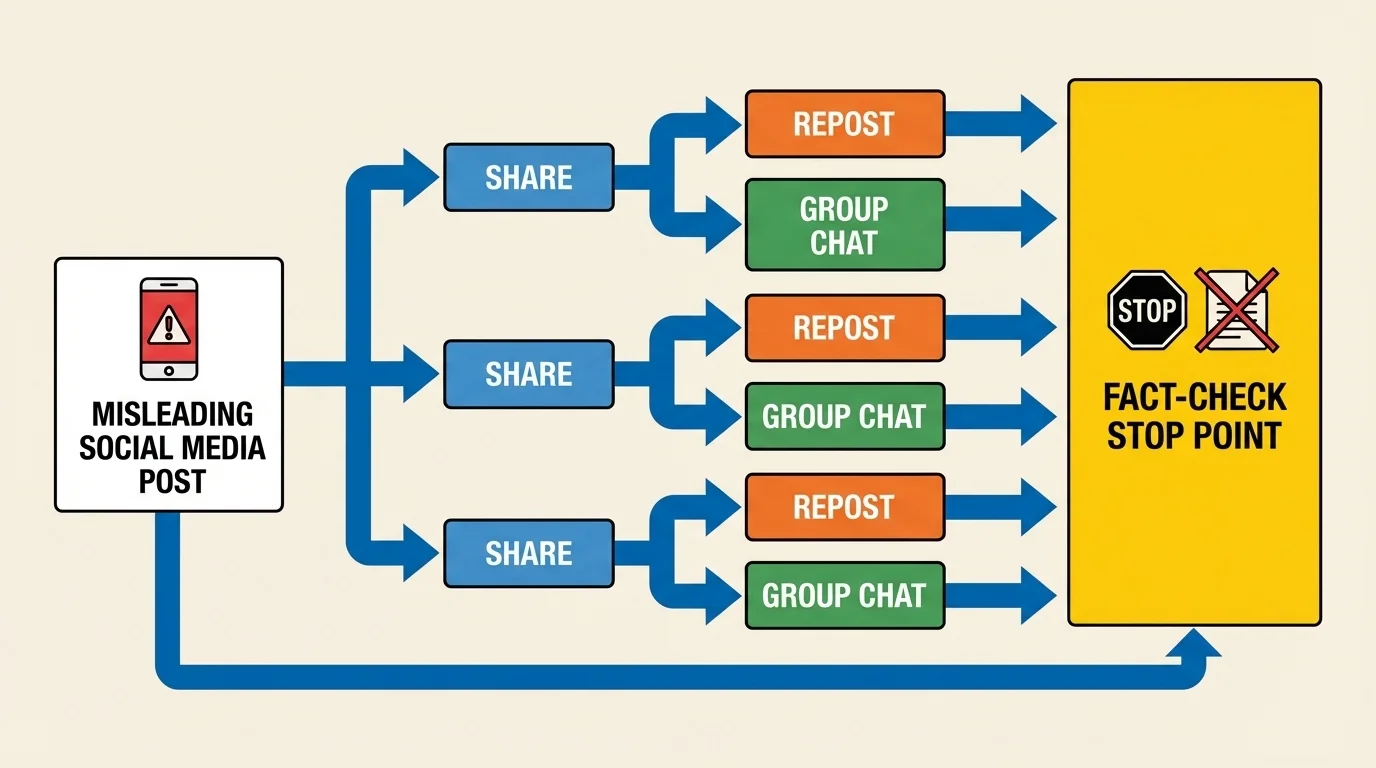
[Figure 1] Misinformation spreads quickly online because one post can be copied, shared, reposted, and repeated by many people in minutes. Sometimes people share it because they are excited or worried. Sometimes they do not check whether it is true first. Once lots of people have seen it, it can start to feel true even when it is not.
Not all false information looks silly or obvious. Some misinformation mixes a little truth with a wrong conclusion. For example, a video might show a real product and then make a fake claim like, "This study tip improves your grades overnight." The product itself may be real, but the claim is misleading. Another post might use an old photo and pretend it happened today. That changes the meaning and can fool people.
People are more likely to believe misinformation when it matches what they already want to believe, when it comes from someone they like, or when it creates a strong feeling. Fear, anger, excitement, and surprise can make people react fast. That is one reason many misleading posts use dramatic words like "shocking," "secret," "must see," or "they do not want you to know."
Here are some common warning signs: there is no clear source, the claim sounds extreme, the post tells you to share it right away, the picture may be edited, or there is no evidence beyond "trust me." None of these signs alone proves something is false, but they tell you to slow down and check more carefully.
False stories often spread faster than accurate corrections because dramatic claims grab attention first. That is why checking before sharing is so important.
A misleading message can shape decisions in real life. If someone believes a fake health tip, they might try something unsafe. If they believe a rumor about a person online, they might treat that person unfairly. If they trust a fake giveaway, they might click a dangerous link or share private information.
[Figure 2] Advertising is not always bad. Businesses need ways to tell people about products and services. But ads are carefully designed to catch your eye and guide your choice. The important skill is not "never trust any ad." The skill is noticing how the ad is trying to persuade you.
Some ads use bright colors, catchy music, funny characters, or exciting words. Some show happy people having fun, hoping you connect the product with those good feelings. Some ads try to create urgency with lines like "Only today!" or "Almost sold out!" even if the deal is not really special. Others use phrases such as "best ever" or "everyone wants this," which sound powerful but may not give real proof.
Online ads can be harder to spot because they do not always look like traditional commercials. A video creator might show a product during a normal post. A game may encourage you to buy extra items. A website may place an ad so it looks like part of the page. Sponsored content can feel like a recommendation from a friend unless you look carefully for labels such as ad, sponsored, or paid partnership.
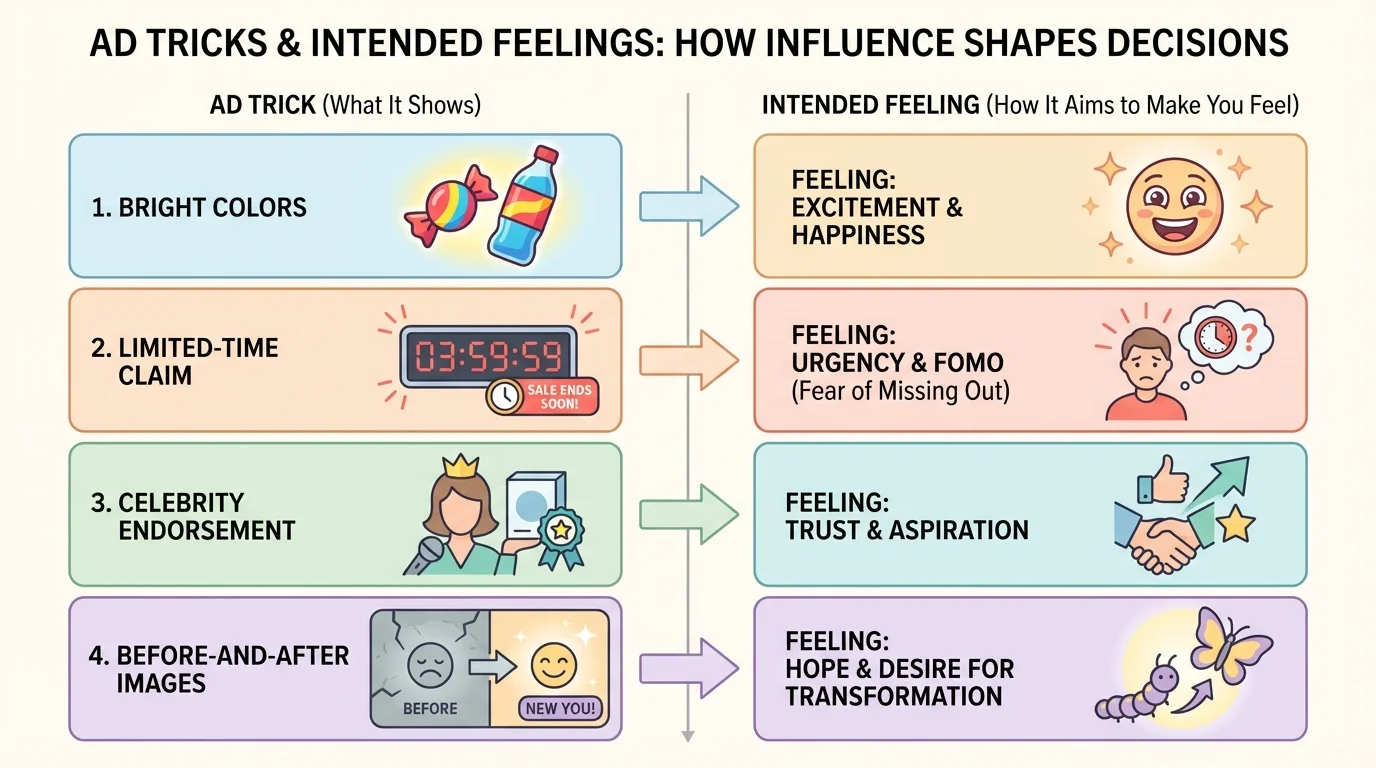
One strong ad trick is using emotion instead of facts. An ad may make you feel left out, embarrassed, or worried, then offer a product as the answer. Another trick is using a famous person or creator. Their popularity can make the product seem better, even if they are being paid to promote it. This is where the label sponsored content matters. It tells you money or gifts may be involved.
Ask yourself: Is this message giving me evidence, or just making me feel something? Is it explaining why a product works, or just showing cool edits and excited reactions? Those questions help you separate information from persuasion.
Ads can shape decisions about spending. You might buy a toy, snack, skin product, or game upgrade because the ad made it feel urgent or popular. Later, you may realize you did not really need it. Smart spending starts with asking whether you want the item because it is useful or because the ad made it hard to ignore.
Online influence happens when other people's posts, opinions, or actions affect your own choices. This can happen through creators, celebrities, gamers, streamers, friends, or even strangers in comment sections. Influence is powerful because humans naturally pay attention to what other people seem to like.
One reason online influence feels strong is something called social proof. Social proof means people often decide something is good, true, or important because many others seem to support it. If a video has lots of likes, views, or positive comments, it may look more trustworthy. But popularity does not automatically mean truth.
Another reason is the algorithm. An algorithm is a set of rules a platform uses to decide what to show you. If you watch one type of video, the platform may send you more of the same. Over time, it can feel like "everyone" thinks a certain way, even if you are only seeing a small slice of the internet. That can shape your choices without you realizing it.
As we saw earlier in [Figure 1], repeated sharing makes information seem bigger and more believable. The same thing happens with opinions and trends. If you keep seeing the same product, challenge, or claim, your brain may start treating it as normal, even before you have checked whether it is useful, safe, or true.
Popularity is not proof. A message can have many views because it is entertaining, surprising, or controversial. Those numbers show attention, not accuracy. A strong decision-maker looks for evidence, not just excitement.
Online influence can be positive too. A creator might inspire you to read more, exercise safely, be kind online, or learn a new skill. The goal is not to avoid all influence. The goal is to notice when influence is helping you and when it is pushing you in a direction you did not choose carefully.
When something online grabs your attention, a simple routine helps you slow down and think clearly. You can use this before you believe a claim, share a post, click a link, or ask to buy something.
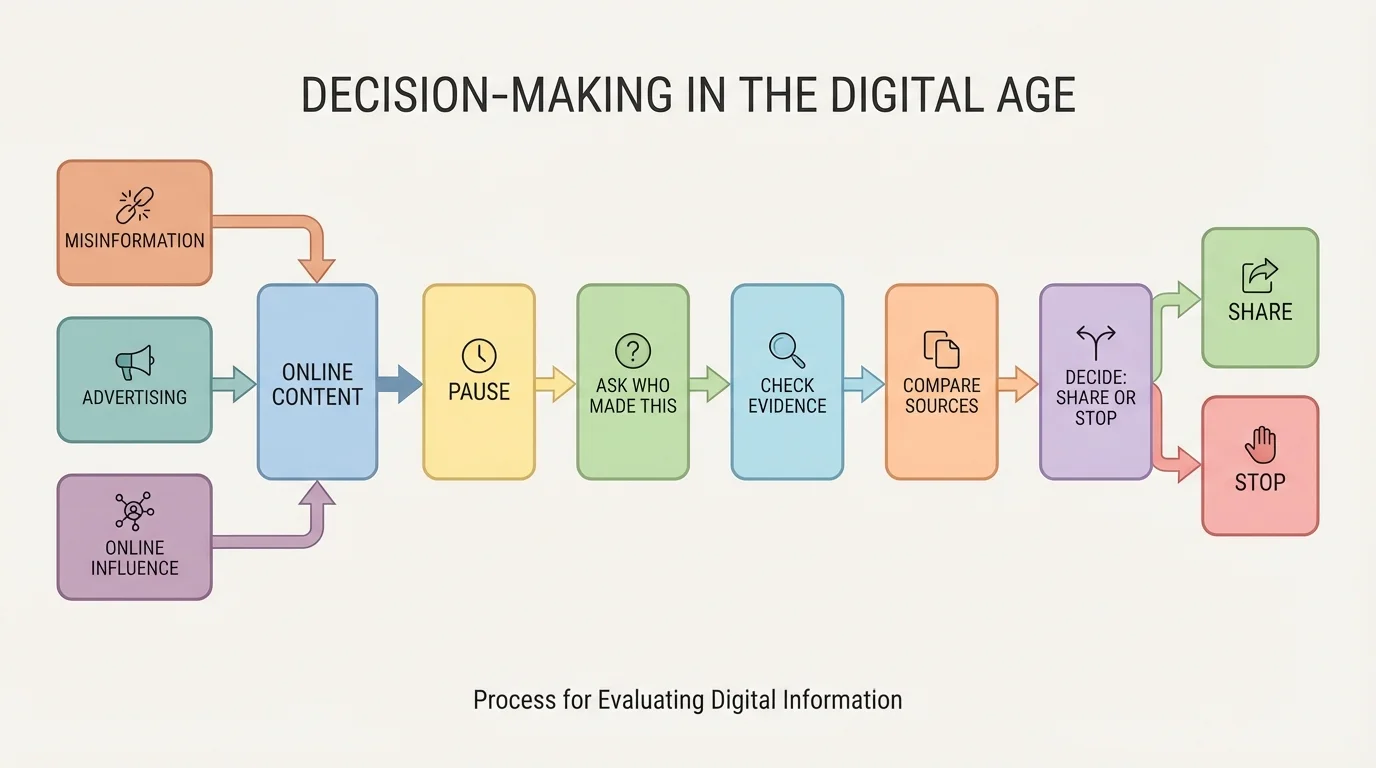
[Figure 3] Here is a practical check you can use anytime.
The Pause-and-Check Routine
Step 1: Pause.
Do not click, share, or decide right away. Fast reactions are when mistakes happen.
Step 2: Ask who made it.
Look for the source. Is it a trusted organization, a real company, a known news source, or just a random account?
Step 3: Look for evidence.
Does it show proof, facts, or reliable sources? Or does it only give opinions, dramatic language, and big promises?
Step 4: Check somewhere else.
See if another trustworthy source says the same thing. One post is not enough for an important decision.
Step 5: Notice your feelings.
If the message makes you feel rushed, scared, super excited, or left out, be extra careful.
Step 6: Decide.
You can choose to believe it, ignore it, save it for later, ask a trusted adult, or report it.
This routine works because it moves you from reaction to reasoning. Instead of thinking, "I saw it, so it must be true," you think, "I saw it, now I will check it." That tiny change can protect you from scams, rumors, poor purchases, and unsafe links.
The flow of checking in [Figure 3] is useful for more than social media posts. You can use it in online shopping, gaming chats, video comments, emails, and even texts from people you know. A familiar name does not always mean a trustworthy message.
Suppose you see a video saying a certain drink gives you instant energy and improves sports performance. The video looks exciting, and a popular creator says it works. Before deciding, ask: Is this advice based on facts? Is the creator being paid? Is there evidence from a trustworthy source? If not, the video may be shaping your choice more with excitement than truth.
Or maybe you see an ad in a game saying, "Get rare items now. Offer ends in 10 minutes." That countdown may be there to pressure you. You might spend quickly because you fear missing out. But if you pause, you may realize you do not need the item, or you want time to ask an adult before spending money.
Another common situation is a rumor about a person. Maybe a post claims someone cheated, lied, or behaved badly. If you share it without checking, you might help spread harm. Even if the rumor turns out false, the damage can be real. Reputations can be hurt by fast sharing.
Case Study: The "Free Prize" Message
You get a message saying you won a free headset. It says to click now and enter your full name, address, and password before time runs out.
Step 1: Pause and look for warning signs.
The message uses urgency and asks for private information.
Step 2: Check the source.
If it came from an unknown account or a strange website name, that is a problem.
Step 3: Ask whether real prizes need a password.
Trusted companies do not need your password to give you a prize.
Step 4: Do not click.
Show the message to a trusted adult and delete or report it.
A careful choice keeps your information safer.
You may also notice trends where everyone seems to own the same shoes, bottle, game pass, or gadget. Trends are not automatically bad. But before joining, ask whether you actually like it, need it, and can use it safely. Making your own decision is stronger than copying the crowd.
Start by building a few simple habits. Read past the headline. Watch for labels like sponsored. Check whether a photo or claim appears somewhere trustworthy. Be careful with posts that demand instant action. If a message asks for personal information, stop and get help from a trusted adult.
It also helps to limit how often you make decisions when you are tired, upset, or distracted. Strong emotions make it easier for misleading messages and persuasive ads to work on you. If something feels intense, wait a little. A short pause can lead to a much better choice.
Talk about what you see online. If a claim seems confusing, ask questions. If a friend or family member shares something false, correct it kindly. You do not need to argue. You can say, "I want to check that first," or "I found another source that says something different." Being respectful and careful helps stop misinformation from spreading.
Being a good digital citizen means more than avoiding trouble yourself. It also means helping create a safer online space by checking facts, protecting privacy, and treating people fairly.
Over time, these habits build confidence. You become someone who does not get pushed around by every headline, ad, or trend. You can enjoy the internet, learn from it, and connect with others while still thinking for yourself.
| Online message | Possible goal | What you should do |
|---|---|---|
| Shocking health claim | Get views or spread fear | Check trusted sources before believing or sharing |
| Sponsored product video | Persuade you to want or buy something | Look for labels and ask whether there is evidence |
| Limited-time game offer | Pressure a fast purchase | Pause and decide if you really need it |
| Rumor about a person | Get attention or stir drama | Do not share until facts are clear |
| Free prize link | Collect information or scam users | Do not click; tell a trusted adult |
Table 1. Examples of common online messages, the goal behind them, and smart responses.
The internet can be useful, fun, and creative. But it also contains messages designed to shape your decisions. When you know how misinformation, advertising, and online influence work, you are less likely to be fooled and more likely to choose wisely.
